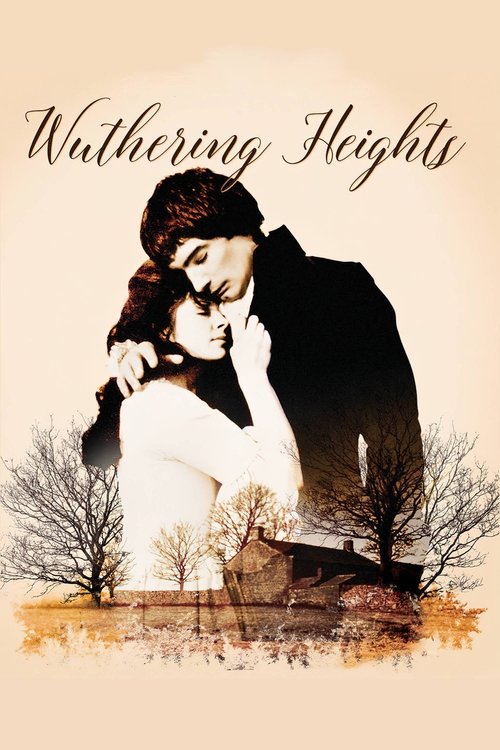
Wuthering Heights
1970
No user ratings available yet
Representation score: 2.3 out of 10
Representation Score
Fair
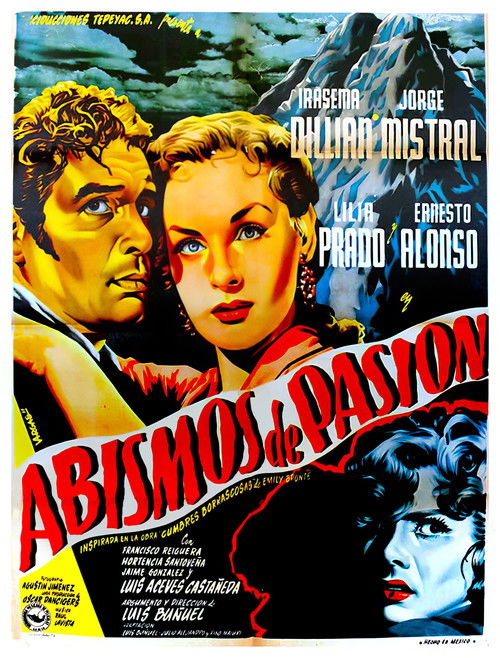
1954
Director
Luis Buñuel
Runtime
91 minutes
Average Rating
No ratings yetNew Showbiz Analysis
This adaptation sets the classic story in 19th-century Mexico, blending class tensions with post-colonial themes. While the core romance remains traditional, the new setting offers a fresh perspective on social and economic hierarchies. The film critiques the strict class system but leaves the female protagonist largely passive.
Category Breakdown
The story focuses on a heterosexual relationship between Alejandro and Catalina. There are no LGBTQ characters or subtexts.
Catalina is portrayed as someone who is influenced by societal expectations. She does not actively shape her own destiny.
The story is set in 19th-century Mexico, introducing post-colonial themes. The interactions between an orphan and wealthy landowners hint at social stratification.
The film explores the tension between personal desires and social conventions. This highlights the rigid class structures of the time.
There are no characters with visible or invisible disabilities in the story.
Present on Screen
Limited or Absent
Official Synopsis
In 19th-century Mexico, young orphan Alejandro is adopted by the wealthy, landowning Earnshaw family and moves into their estate, Wuthering Heights. Soon, the new resident falls for his compassionate foster sister, Catalina. The two share a remarkable bond that seems unbreakable until Catalina, feeling the pressure of social convention, suppresses her feelings and marries Eduardo, a man of means who befits her stature. Alejandro vows to win her back.
1970
1957
1945
1976
1985
1952
1955
1939
No reviews yet. Be the first to share your thoughts on this movie!
Use the rating form above to leave a star rating and optional review.