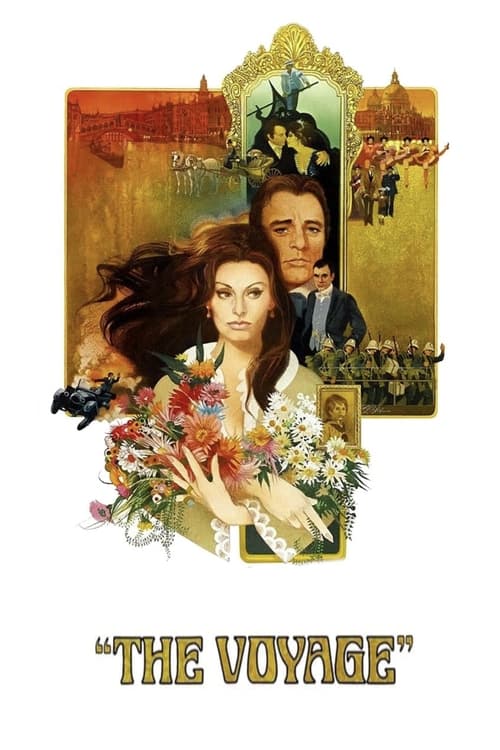
The Voyage
1974
No user ratings available yet
Representation score: 4.4 out of 10

Representation Score
Fair
1968
RDirector
Vittorio De Sica
Runtime
90 minutes
Average Rating
No ratings yetNew Showbiz Analysis
Vittorio De Sica uses this romantic drama to explore the human condition through a lens of social instability. The film succeeds in challenging traditional gender roles by centering women's ability to drive the story and male vulnerability. However, the work remains limited by the era's social constraints, showing little to no LGBTQ+ or racial diversity. The focus is heavily centered on a homogeneous European context. Ultimately, the film's strength lies in its psychological depth and moral ambiguity rather than modern characters who reflect more than one aspect of diversity.
Category Breakdown
The film centers on a heterosexual relationship between Julia and Valerio. It does not include non-binary gender identities or narratives that question the assumption that everyone is straight.
Julia plays a significant role in driving the story as a globe-trotting protagonist with substantial psychological complexity. Valerio challenges the traditional image of masculinity by showing vulnerability and fragmentation.
The cast is predominantly Italian, reflecting the demographic makeup of post-WWII Italy. It does not include diverse backgrounds or non-European identities.
The narrative delves into moral relativism within a society trying to rebuild after war. It emphasizes existential complexity and disillusionment with traditional institutions over romantic idealism.
The film explores psychological malaise and post-war trauma as invisible disabilities. These themes drive the story rather than focusing on specific studies of neurodivergence or chronic illness.
Present on Screen
Limited or Absent
Official Synopsis
Globe-trotting clothes-horse Julia, who's harboring a secret, embarks on a 10-day fling with Valerio in Italy.
1974
1964

1953
1964
1961

1955

1969
1969
No reviews yet. Be the first to share your thoughts on this movie!
Use the rating form above to leave a star rating and optional review.