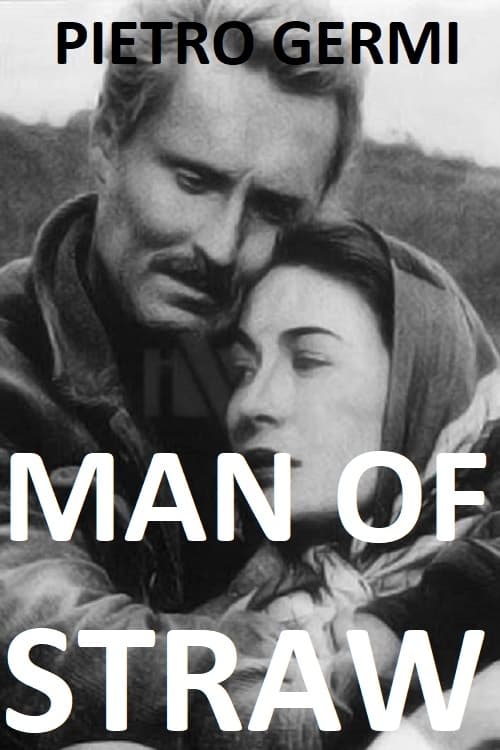
Man of Straw
1958
No user ratings available yet
Diversity score: 4.9 out of 10

1961
NRDirector
José Quintero
Runtime
103 minutes
Average Rating
No ratings yetSynopsis
Critics and the public say Karen Stone is too old -- as she approaches 50 -- for her role in a play she is about to take to Broadway. Her businessman husband, 20 years her senior, has been the angel for the play and gives her a way out: They are off to a holiday in Rome for his health. He suffers a fatal heart attack on the plane. Mrs. Stone stays in Rome. She leases a magnificent apartment with a view of the seven hills from the terrace. Then the contessa comes calling to introduce a young man named Paolo to her. The contessa knows many presentable young men and lonely American widows.
Overall Score
Limited
Category Breakdown
LGBTQ+ Representation
The film focuses entirely on the heterosexual relationship between Mrs. Stone and Paolo. It lacks any depiction of non-cisnormative identities or queer narratives.
Gender Representation
Mrs. Stone subverts mid-century norms by using her economic agency to navigate her desires. She occupies a position of social power despite her vulnerability as a widow.
Racial & Ethnic Diversity
The story explores intercultural friction between an English expatriate and an Italian local. However, the cast remains largely within a Western European demographic.
Religious & Cultural Diversity
The narrative critiques high-society Western institutions as transactional and hollow. It deconstructs the idealized wealthy lifestyle by framing social status as inherently isolating.
Disability Representation
There is no significant representation of physical or neurodivergent disabilities. The film prioritizes psychological states like loneliness over disability-driven narratives.
Strengths
Areas for Improvement
AI Analysis
The film serves as a psychological character study that challenges traditional gendered power dynamics. By centering a woman's autonomy and economic agency, it disrupts the trope of the male provider. However, the work remains limited by its narrow demographic focus. It lacks LGBTQ+ representation and significant racial diversity, remaining rooted in Western European social circles. Ultimately, its value lies in its refusal to present a sanitized view of high society. It offers a biting critique of the commodification of human connection.
1958

1953

1955

1954
1970

1991
1964
2009

1960
1968

1956

1950
No reviews yet. Be the first to share your thoughts on this movie!
Use the rating form above to leave a star rating and optional review.