
Indiscretion of an American Wife
1953
No user ratings available yet
Diversity score: 3.7 out of 10
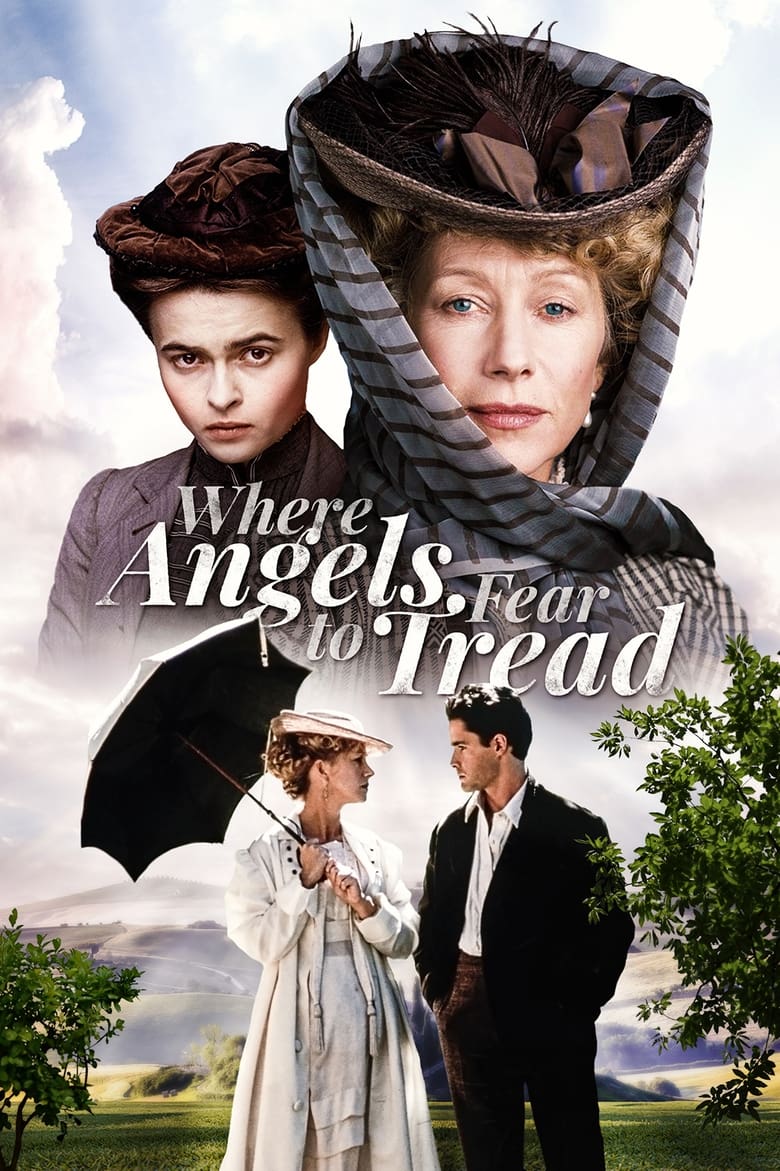
1991
PGDirector
Charles Sturridge
Runtime
108 minutes
Average Rating
No ratings yetSynopsis
An English widow goes to Italy, falls in love with a dentist's son and marries him, against her straitlaced family's wishes.
Overall Score
Good
Category Breakdown
LGBTQ+ Representation
The film focuses on heteronormative romantic structures and traditional marriage. There are no queer narratives or non-cisnormative identities present.
Gender Representation
Sophie serves as the primary driver of the plot, navigating patriarchal expectations. The story centers on her personal autonomy and reproductive choices against rigid hierarchies.
Racial & Ethnic Diversity
Set in 1950s Italy, the film features an authentic European cast. It depicts cultural friction between English protagonists and Italian locals within a white European framework.
Religious & Cultural Diversity
The narrative critiques the intersection of the Roman Catholic Church and patriarchal family units. It highlights the tension between secular individualism and institutionalized morality.
Disability Representation
There is no significant depiction of physical or neurodivergent disabilities within the film.
Strengths
Areas for Improvement
AI Analysis
The film excels at deconstructing social mores by placing a woman's agency at the heart of the conflict. It uses the clash between modern secularism and traditional religious authority to drive its thematic depth. While the setting is culturally specific to 1950s Italy, the narrative remains within a predominantly white European framework. This limits racial diversity despite the authentic cultural friction depicted. The lack of LGBTQ+ representation and disability narratives results in a moderate overall score, though the film's exploration of gendered agency provides significant substance.
1953

2005

1992
1984
1976

1961

2007

1998

2009

1971

1954

1998
No reviews yet. Be the first to share your thoughts on this movie!
Use the rating form above to leave a star rating and optional review.