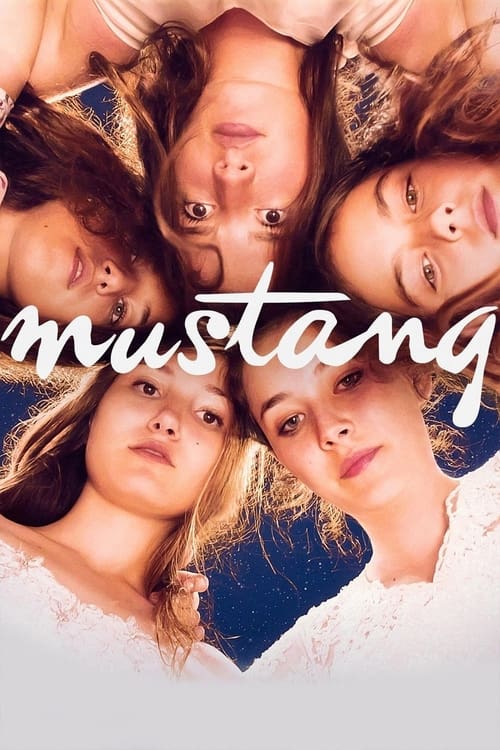
Mustang
2015
No user ratings available yet
Representation score: 6.7 out of 10
Representation Score
Good
2019
Director
Emin Alper
Runtime
108 minutes
Average Rating
No ratings yetNew Showbiz Analysis
Emin Alper’s drama succeeds in deconstructing social hierarchies, particularly through its subversion of traditional gender roles. By placing the sisters' survival at the heart of the plot, the film explores female autonomy. However, the film remains localized within a specific ethnic and heterosexual context. It does not feature explicit representation of LGBTQ+ identities or characters with disabilities as central figures. Ultimately, the work is a rigorous interrogation of the patriarchal family unit and the restrictive nature of communal norms, prioritizing psychological depth over broad multi-layered diversity.
Category Breakdown
The film focuses on the relationship between the sisters and does not center on LGBTQ+ identities or same-sex intimacy.
The narrative centers on the ability to act and survival instincts of the three sisters, portraying the domestic sphere as a site of complex psychological struggle.
The film is set in a culturally specific, homogeneous Turkish rural environment. While authentic to its location, it does not explore multi-layered racial blending or deconstruct ethnic hierarchies.
The film critiques traditional communal and familial institutions, depicting village life and family structures as sources of stagnation, isolation, and psychological burden.
The story explores profound psychological distress but lacks characters with visible or invisible disabilities as central figures. Struggles are framed through socio-economic and gendered lenses.
Present on Screen
Limited or Absent
Official Synopsis
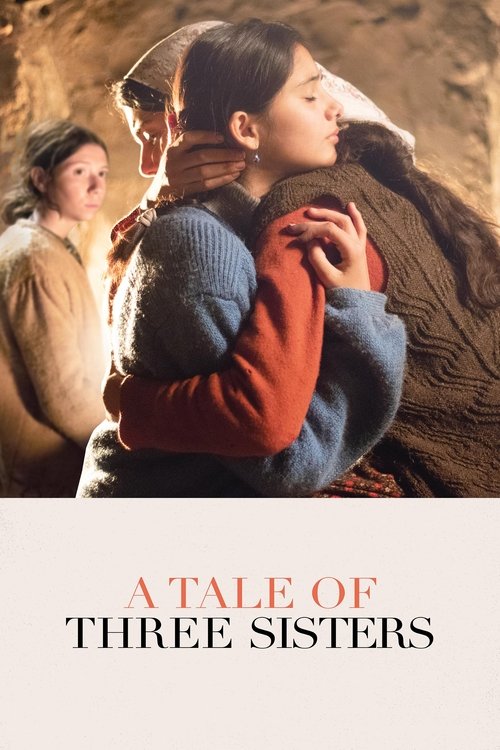
A stagnant and gloomy village in the 1980s. Reyhan, Nurhan, and Havva, three sisters were sent to town as 'besleme' (foster child and maid). Since they fail their foster parents for different reasons, they are sent back to their father's house in their poor village. Deprived of their dreams of a better life, they try to hold on to each other.
2015
2016
2019
2021
1988
2017

2006
2015
No reviews yet. Be the first to share your thoughts on this movie!
Use the rating form above to leave a star rating and optional review.