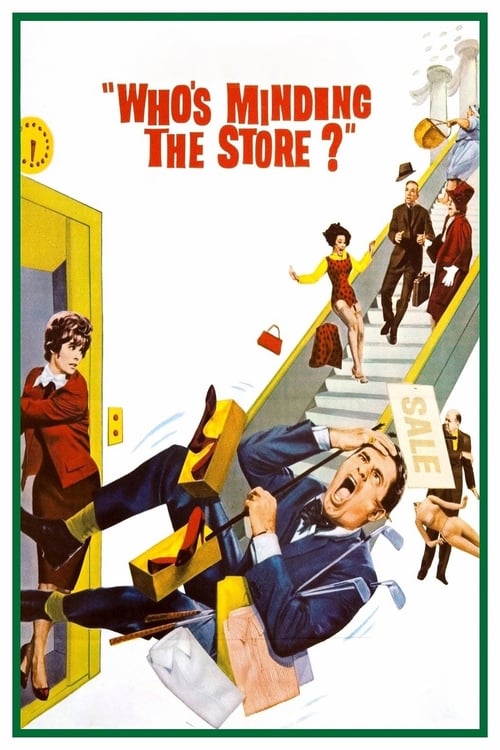
Who's Minding the Store?
1963
No user ratings available yet
Diversity score: 1.7 out of 10
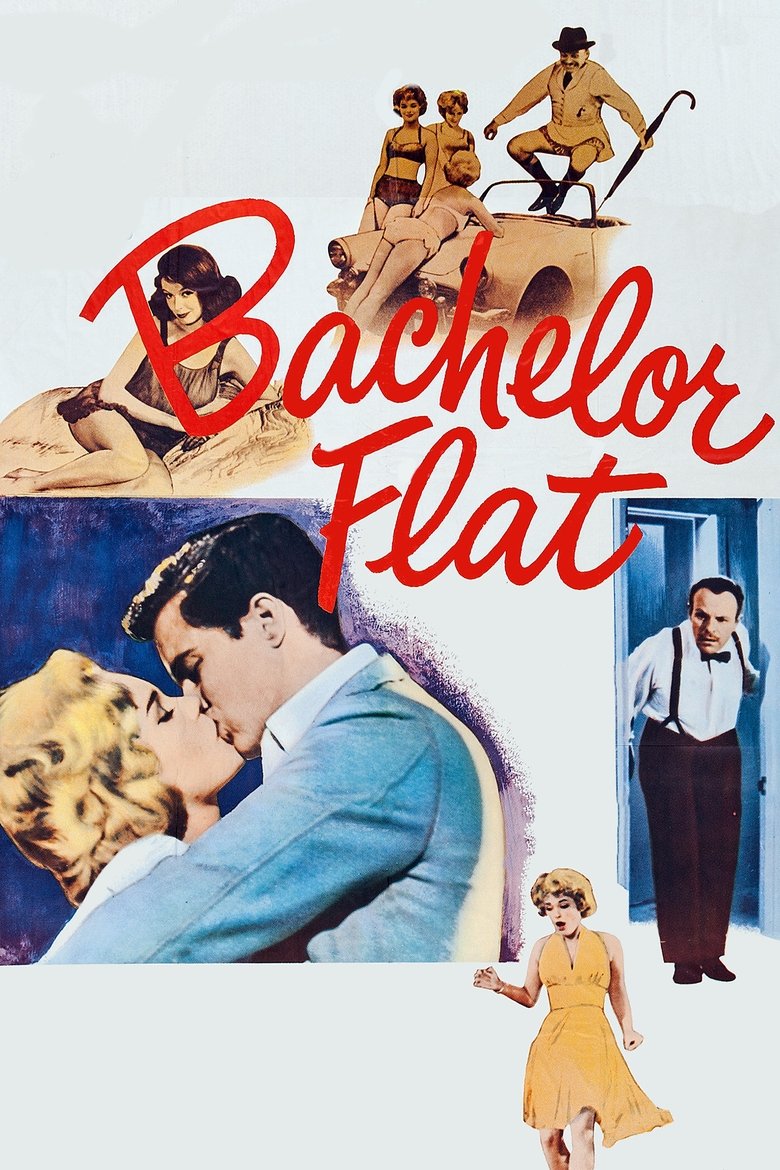
1961
NRDirector
Frank Tashlin
Runtime
91 minutes
Average Rating
No ratings yetSynopsis
Professor Bruce Patterson is constantly having to fight off the advances of his young female students and is engaged to Helen Bushmill. While Helen goes on vacation, Bruce decides to stay at her apartment but is surprised by the arrival of Libby, Helen's 17-year-old daughter. Having never been told by Helen of this daughter, Bruce assumes she's another student. During her stay, Libby is noticed by an amorous neighbor, Mike.
Overall Score
Limited
Category Breakdown
LGBTQ+ Representation
The film lacks any visible presence of LGBTQ+ characters or non-heteronormative identities. The plot focuses entirely on traditional heterosexual courtship and romantic pursuit.
Gender Representation
Female characters primarily function as comedic foils or objects of desire for the male protagonists. The narrative centers on male social dynamics, reinforcing mid-century tropes where men drive the plot.
Racial & Ethnic Diversity
The cast reflects the demographic homogeneity of early 1960s mainstream American cinema. There is no evidence of significant non-white or non-Anglo-Saxon representation within the urban setting.
Religious & Cultural Diversity
The film aligns with conventional Western values, focusing on middle-class urban life and traditional social structures. It reinforces the status quo rather than offering critiques of Western institutions.
Disability Representation
There are no discernible depictions of physical, sensory, or neurodivergent identities. All characters are presented as able-bodied within the comedic framework.
Strengths
Areas for Improvement
AI Analysis
Bachelor Flat is a quintessential product of the 1961 Hollywood studio system, designed to mirror the prevailing social and demographic norms of its era. The film prioritizes mid-century commercial comedy tropes, focusing on slapstick and romantic misunderstandings rather than social subversion. The narrative architecture is built upon a homogeneous racial landscape and traditional gender hierarchies. While female characters possess proactive energy, they largely serve as catalysts for male comedic mishaps, reinforcing established social roles. Ultimately, the film functions as a standard commercial comedy that prioritizes middle-class stability and traditional romantic structures over any form of progressive or intersectional representation.
1963
1955

1981
1949

1962
1964

1965
1959
1964
1960
1959

1957
No reviews yet. Be the first to share your thoughts on this movie!
Use the rating form above to leave a star rating and optional review.