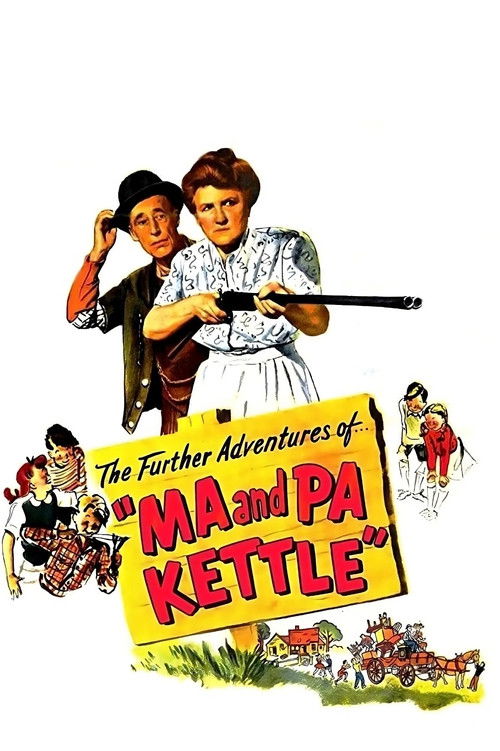
Ma and Pa Kettle
1949
No user ratings available yet
Representation score: 0.4 out of 10
Representation Score
Minimal
1951
GDirector
Edward Sedgwick
Runtime
80 minutes
Average Rating
No ratings yetNew Showbiz Analysis
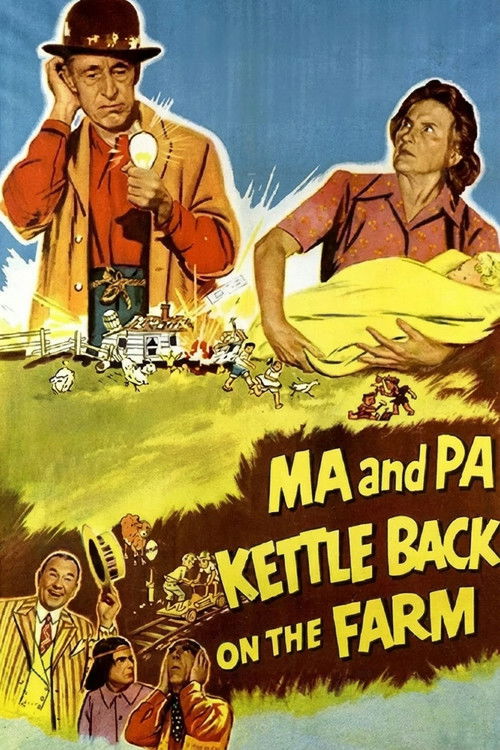
Ma and Pa Kettle Back on the Farm is a product of its time, upholding the social and cultural norms of 1951. The film prioritizes slapstick humor and domestic conflict over any challenge to the prevailing social order. The narrative structure relies on established social hierarchies and traditional frameworks. It presents a typical depiction of rural life that aligns with the conservative social expectations of its era. Overall, the production lacks the intention to disrupt systemic hierarchies, focusing instead on the chaotic stability of the nuclear family.
Category Breakdown
The film does not include any visible LGBTQ+ characters or non-straight identities. It operates within a traditional framework that assumes everyone is straight and cisgender.
Ma Kettle manages the household while Pa Kettle holds a traditional patriarchal role. Humor arises from conflicts within the home rather than challenging gender norms.
The cast and setting represent a homogeneous white, rural American community. The film does not address racial diversity or multiple aspects of identity.
The film emphasizes traditional Western values, focusing on the stability of the rural family unit. It does not critique Western institutions or offer moral relativism.
There is no representation of physical, sensory, or neurodivergent disabilities. Characters are portrayed within the context of able-bodied comedic archetypes.
Present on Screen
Limited or Absent
Official Synopsis
The Kettles leave their ultra-modern home and return to the country looking for uranium. Ma and Tom's mother-in-law, Mrs. Parker, fight over whether their grandchild will be raised "hygiencially."
1949

1934
1952
1958
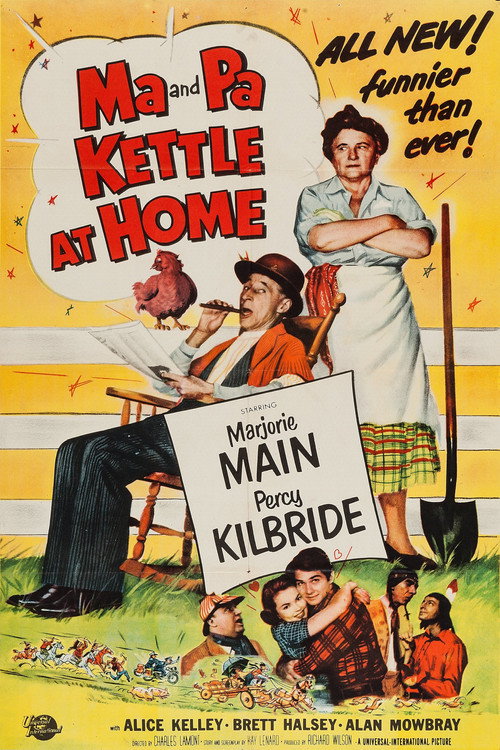
1954
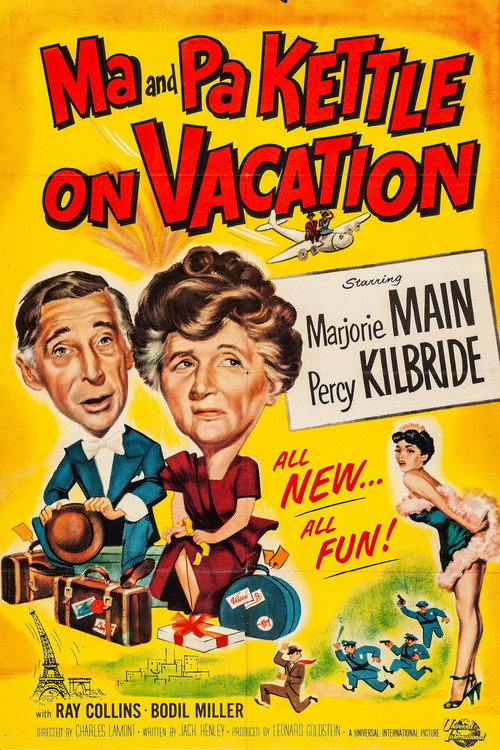
1952
1949
1951
No reviews yet. Be the first to share your thoughts on this movie!
Use the rating form above to leave a star rating and optional review.