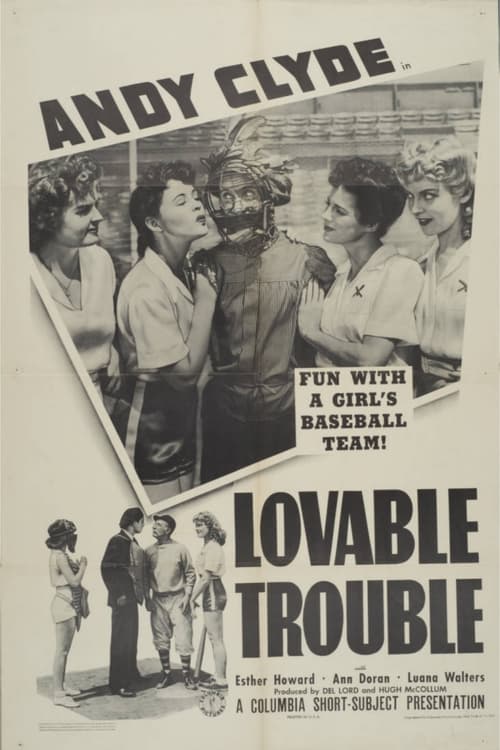
Lovable Trouble
1941
No user ratings available yet
Diversity score: 1.4 out of 10
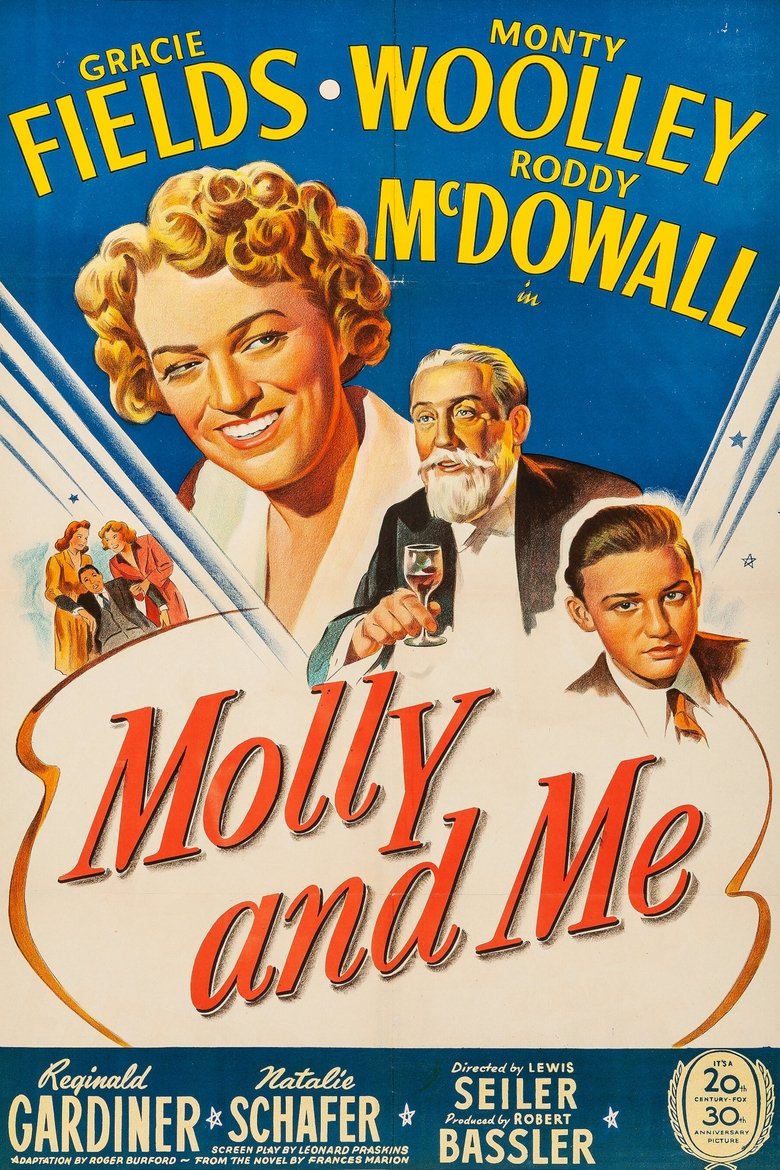
1945
ApprovedDirector
Lewis Seiler
Runtime
77 minutes
Average Rating
No ratings yetSynopsis
A vivacious actress needing work becomes a housekeeper for a crusty retired politician, and gives his life the shaking-up that it needs.
Overall Score
Minimal
Category Breakdown
LGBTQ+ Representation
The film follows a conventional romantic or domestic comedy structure. There is no evidence of non-cisnormative identities or critiques of heteronormativity.
Gender Representation
The narrative relies on established gendered archetypes. While the female lead acts as a catalyst for change, her agency is framed through domestic service rather than institutional leadership.
Racial & Ethnic Diversity
The film likely adheres to the homogeneous casting standards of 1945. Without specific data suggesting diverse casting, the narrative reflects the era's lack of racial integration.
Religious & Cultural Diversity
The plot focuses on the revitalization of a retired politician, upholding traditional Western social structures. It reinforces established political hierarchies and traditional social values.
Disability Representation
There is no indication of characters navigating physical, neurodivergent, or mental health conditions within the story.
Strengths
Areas for Improvement
AI Analysis
Molly and Me is a period-typical studio comedy that prioritizes traditional social hierarchies and conventional gender roles. The narrative architecture centers on a class-based interaction between a vivacious actress and a crusty retired politician. The film reinforces mid-century social norms by framing female influence through the lens of domesticity. The protagonist's role as a housekeeper suggests that her agency is relegated to the private sphere to stabilize male authority figures. Ultimately, the work lacks the narrative complexity required to disrupt systemic status quos, instead opting for a transformative domesticity trope that respects established social and political structures.
1941
1949
1951

1935
1937
1945
1958
1941
1945
1949

1943
1953
No reviews yet. Be the first to share your thoughts on this movie!
Use the rating form above to leave a star rating and optional review.