You are here:

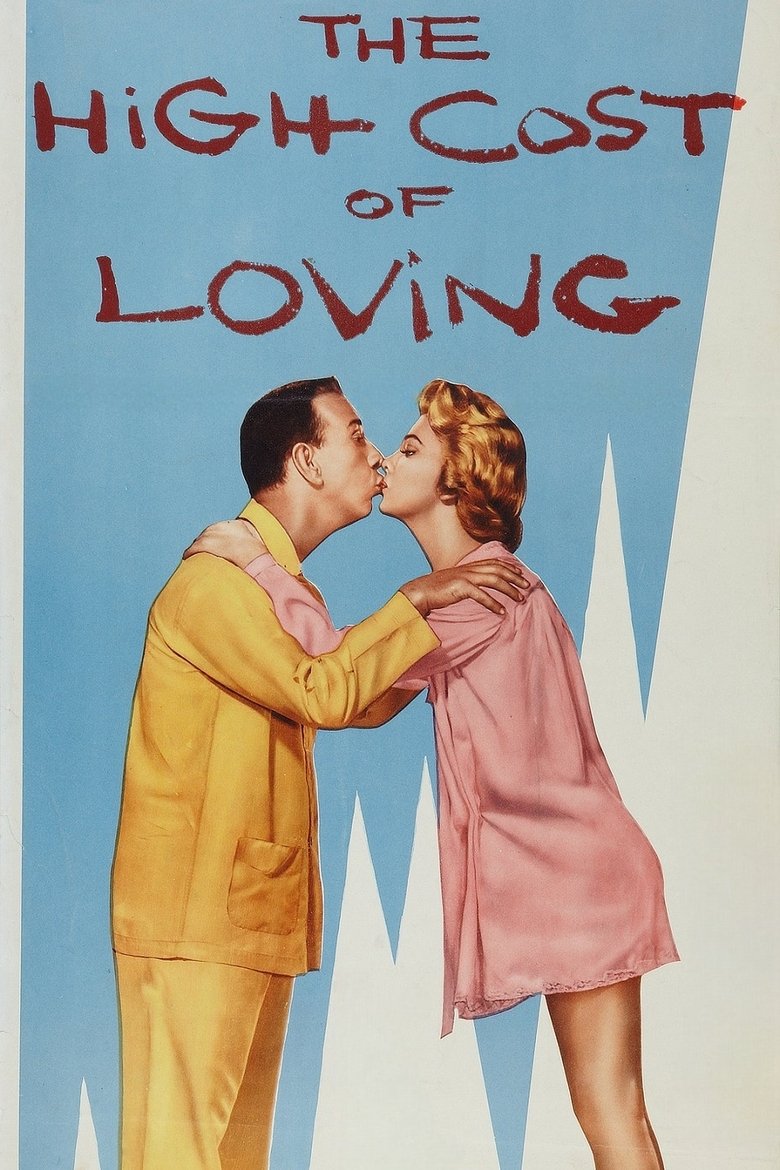
The High Cost of Loving

The High Cost of Loving

Representation Score

0.4/10

Minimal

1958

Passed

Director

José Ferrer

Runtime

87 minutes

Average Rating

No ratings yet

New Showbiz Analysis

The film reinforces established social hierarchies rather than challenging them. It prioritizes the preservation of the nuclear family and professional stability, typical of mid-century Hollywood. The narrative lacks complexity in addressing multiple aspects of identity or systemic issues. Instead, it offers a portrait of mid-century stability and the anxieties inherent in maintaining it. Ultimately, the work operates within a conventional moral framework that avoids any critique of capitalism or traditional institutions.

Watch this, not that →

Category Breakdown

Does The High Cost of Loving have LGBTQ+ representation?

Minimal

The film does not include any LGBTQ+ characters or non-straight identities. It focuses solely on traditional marriage dynamics of the 1950s.

How does The High Cost of Loving portray gender?

Limited

The story explores the pressures of domestic life and male infidelity, with power dynamics centered around the male protagonist. Female characters mainly serve as wives or expectant mothers.

How racially and ethnically diverse is The High Cost of Loving?

Minimal

The setting reflects a homogeneous, Anglo-centric view of 1950s upper-middle-class New York. The primary cast lacks racial or ethnic diversity, mirroring the era's demographic norms.

How does The High Cost of Loving represent religion and culture?

Limited

The narrative highlights mid-century Western values such as professional standing and marital fidelity. It treats the stability of the nuclear family as a primary, unquestioned source of tension.

Does The High Cost of Loving include disability representation?

Minimal

There is no visible or invisible disability representation. Characters are shown within the bounds of able-bodied norms without any exploration of neurodivergence or physical disabilities.

Present on Screen

  • The film provides a clear, focused portrayal of mid-century domestic and professional anxieties.

Limited or Absent

  • The film lacks racial, ethnic, and LGBTQ+ diversity.
  • Gender roles remain strictly within traditional, mid-century domestic paradigms.
  • The narrative fails to engage with multiple aspects of identity or systemic critiques.

Official Synopsis

Middle-aged middle-manager Jim Fry, with the same company for fifteen years, is in a comfortable rut. But life becomes less predictable when he doesn't receive an invitation to an important luncheon being held by the new company president. Convinced that he's about to lose his job, Jim begins to mull over his limited prospects when his wife confirms that she's pregnant.

How are these scores produced? →

Where to Watch

Rate this Movie

No rating selected
Use arrow keys to select a rating from 1 to 5 stars
Optional text review, maximum 2000 characters
Tip: Wrap spoilers with ||double pipes|| to hide them
0/2000 characters
You must be signed in to submit a rating

Reviews

No reviews yet. Be the first to share your thoughts on this movie!

Use the rating form above to leave a star rating and optional review.