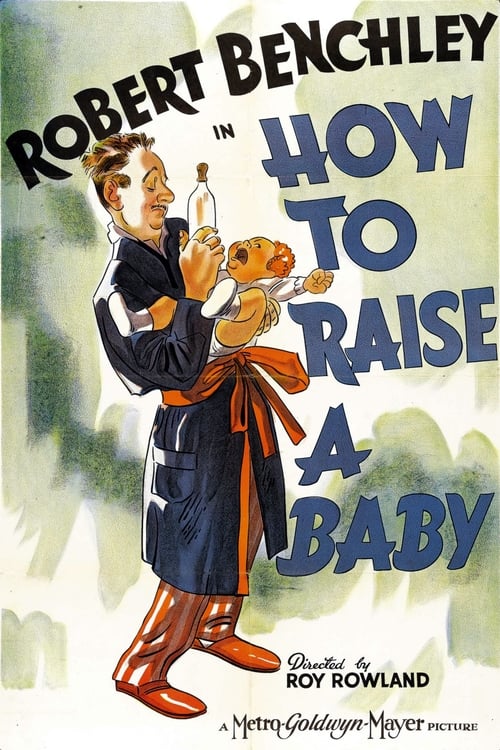
How to Raise a Baby
1938
No user ratings available yet
Diversity score: 2.5 out of 10
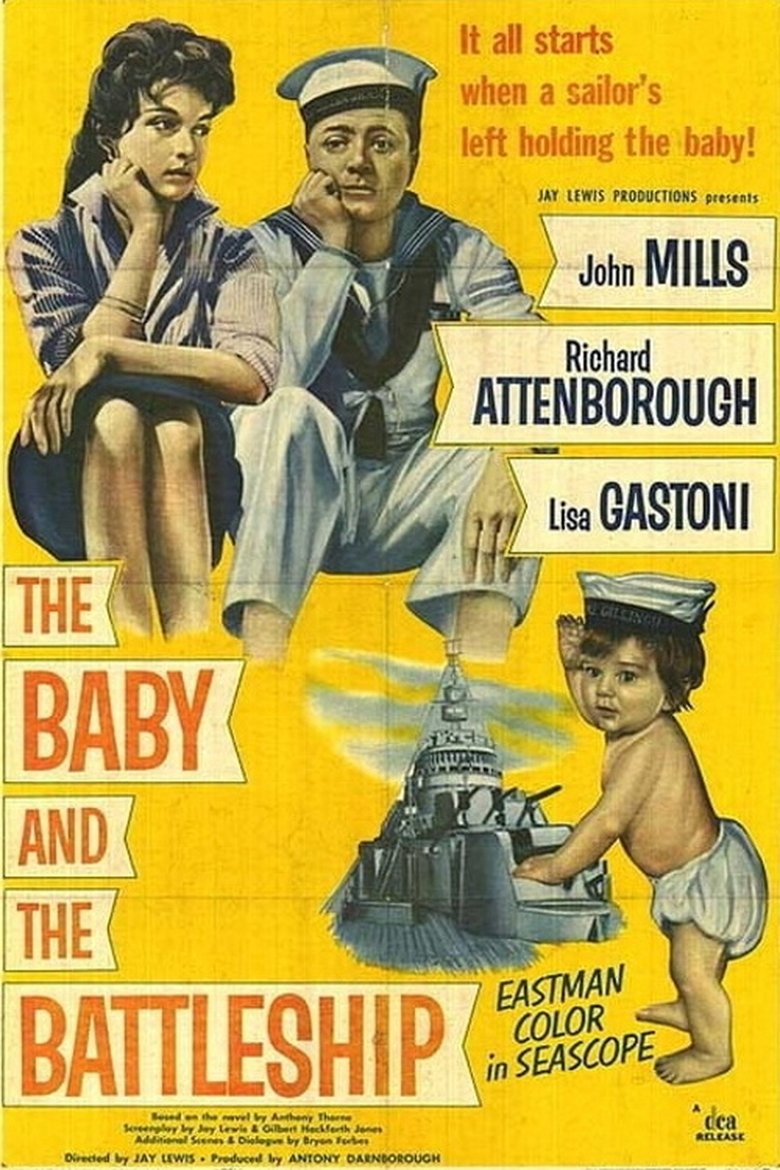
1956
Not RatedDirector
Jay Lewis
Runtime
96 minutes
Average Rating
No ratings yetSynopsis
After a quayside mix-up with the Italian family of his fiancée, Able Seaman Knocker White finds himself literally left holding the baby. Unable to return it before his ship sails he enlists the help of best mate Puncher Roberts to smuggle the child aboard. But babies are surprisingly demanding and gradually the whole crew is drawn into helping keep it fed and washed - and undiscovered. Even so, the officers above deck start to puzzle over the increasingly strange happenings on board.
Overall Score
Limited
Category Breakdown
LGBTQ+ Representation
The film adheres to traditional heteronormative structures. The plot centers on the protagonist's engagement to a woman, with no visible non-cisnormative identities.
Gender Representation
The story focuses on a male-dominated naval crew and male camaraderie. While an infant is central, the agency to care for the child remains entirely with the men.
Racial & Ethnic Diversity
The cast reflects a homogeneous British naval setting. An Italian family serves as a plot device, but there is no evidence of high-agency characters of color.
Religious & Cultural Diversity
The narrative follows mid-century values and institutional order. The comedy arises from domestic disruptions within a military setting rather than cultural critique.
Disability Representation
There is no mention of characters with visible or invisible disabilities in the narrative.
Strengths
Areas for Improvement
AI Analysis
This 1956 comedy functions as a standard period piece that reflects the social constraints of its era. The narrative prioritizes established hierarchies and conventional roles, offering little disruption to mid-century norms. The film relies on traditional tropes, centering on male camaraderie and military discipline. While the plot introduces a domestic element through an infant, the agency remains strictly within a male-dominated framework. Ultimately, the work lacks intentionality regarding intersectional representation. It operates within the homogeneous demographic norms typical of mid-century Western studio comedies.
1938
1964
1942
1952
1935

1956
1944

1945
1939
1938

1950

1959
No reviews yet. Be the first to share your thoughts on this movie!
Use the rating form above to leave a star rating and optional review.