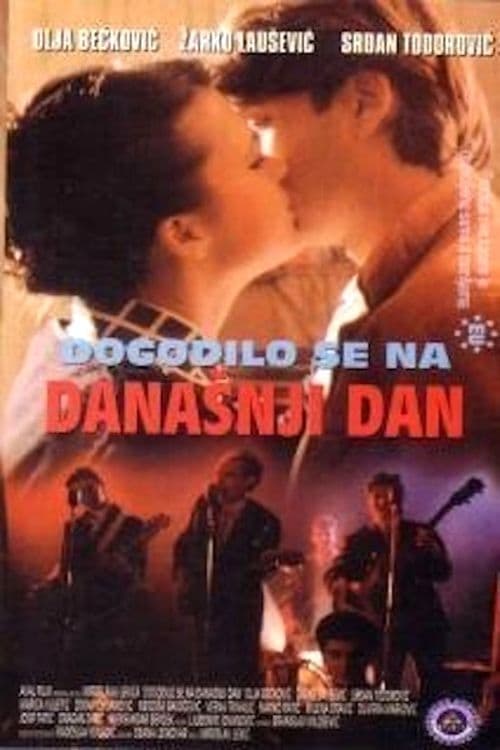
It Happened on This Very Day
1987
No user ratings available yet
Diversity score: 6.3 out of 10
1989
Director
Jože Pogačnik
Runtime
100 minutes
Average Rating
No ratings yetSynopsis
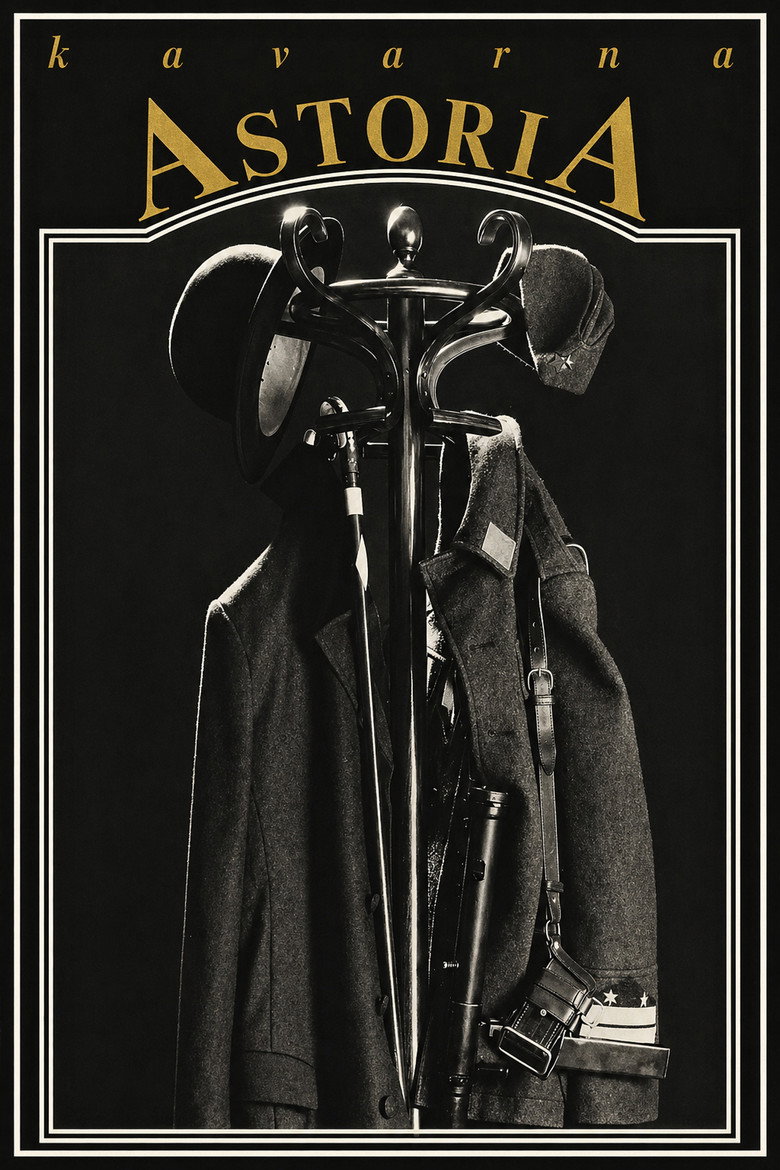
The city of Maribor before the Second World War, and Maribor after its liberation mark the period in which the film Cafe Astoria is set. The story relates with a gentle melancholy and a slight irony the lives of a middle-class family: the cafe owner, his wife and their son. Through their individual destinies we become acquainted with the social and historical background of a by-gone era; the social and national differences of pre-war Maribor, divisions among the wealthy and poor, and nationally minded Slovenes and fanatic Germanophils. The first year after the war introduced the absurd characteristic cruel measures of the so-called revolutionary social transformations in which calamity and coincidence intervene, resulting in events of comic nature, of course, as seen from a safe distance of fifty years.
Overall Score
Fair
Category Breakdown
LGBTQ+ Representation
The film focuses on a traditional middle-class family unit. There is no explicit mention of LGBTQ+ characters or non-heteronormative identities within the narrative.
Gender Representation
The story centers on a traditional family structure including a wife and son. However, the focus on revolutionary social transformations suggests potential shifts in domestic roles.
Racial & Ethnic Diversity
The narrative highlights ethnic friction between nationally minded Slovenes and fanatic Germanophils. This approach explores the complex nationalistic conflicts present in pre-war Maribor.
Religious & Cultural Diversity
The film critiques social hierarchies and the imposition of new political orders. It uses a lens of absurdity to examine the transition between pre-war and post-war eras.
Disability Representation
There is no information available regarding the portrayal of physical or neurodivergent disabilities in this work.
Strengths
Areas for Improvement
AI Analysis
Café Astoria is a historical drama that prioritizes social and ethnic critique over individual identity politics. It succeeds in depicting the friction between different national groups and the upheaval of class structures during Maribor's transition. The film's strength lies in its nuanced look at how systemic political shifts disrupt individual lives. It moves beyond simple biography to examine the absurdity of revolutionary social transformations. However, the film remains anchored in a traditional family core, offering little evidence of LGBTQ+ representation or specific disability narratives. The focus is primarily on national and class-based tensions.
1987
1985
1970
2010
2016
1971
2004

1991
2001
1988
1989
1978
No reviews yet. Be the first to share your thoughts on this movie!
Use the rating form above to leave a star rating and optional review.