Happier Than Ever
1984
No user ratings available yet
Diversity score: 5.6 out of 10
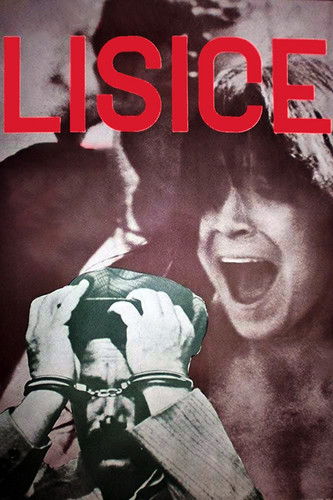
1970
Director
Krsto Papić
Runtime
72 minutes
Average Rating
No ratings yetSynopsis
Yugoslavia, 1948, the year of Inform Bureau's resolution and Tito's break-up with Stalin. The story takes place during a wedding in the Dalmatian inland in Croatia. Ante marries a much younger woman, Visnja; the groom's godfather is Andrija, the partisan war hero born in this very village, and a member of the new Communist political establishment. Two members of the Yugoslav State Security crash the traditional wedding ceremony. In the growing atmosphere of fear nobody knows who will be arrested.
Overall Score
Fair
Category Breakdown
LGBTQ+ Representation
The film centers on a traditional marriage between Ante and Višnja. There is no evidence of queer identities or non-heteronormative characters within this narrative framework.
Gender Representation
The story explores gender through a patriarchal, rural lens. While female characters navigate systemic vulnerabilities during political upheaval, the central marriage reflects traditional social hierarchies.
Racial & Ethnic Diversity
Set in the Dalmatian inland, the film focuses on regional Balkan identity. It centers a non-Western socio-political reality during the tension of the Tito-Stalin split.
Religious & Cultural Diversity
The film offers a sharp critique of institutional stability. It portrays the state as a disruptive force that invades and undermines traditional social customs and ceremonies.
Disability Representation
The provided material contains no information regarding characters with visible or invisible disabilities.
Strengths
Areas for Improvement
AI Analysis
Handcuffs is a socio-political critique that prioritizes the deconstruction of tradition over identity-based representation. It uses a wedding in 1948 Yugoslavia to examine how state apparatuses disrupt local customs and domestic stability. The film's strength lies in its authentic portrayal of Balkan regional identity and its sophisticated look at how political shifts impact social structures. It avoids Western-centric tropes by focusing on the specific friction of the Yugoslav political landscape. However, the narrative remains rooted in traditional social units, offering little exploration of LGBTQ+ identities or diverse disability representation. The focus remains heavily on the tension between the individual and the state.
1984
1995
1966
1988
1971
1987

1969
2016
1991
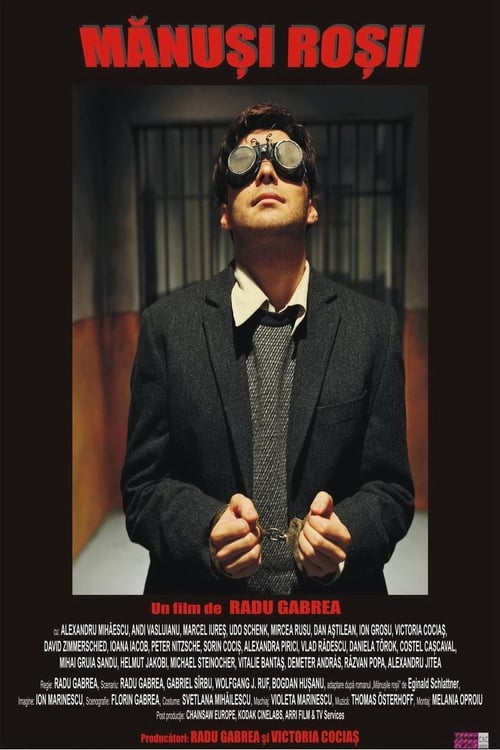
2010

2006
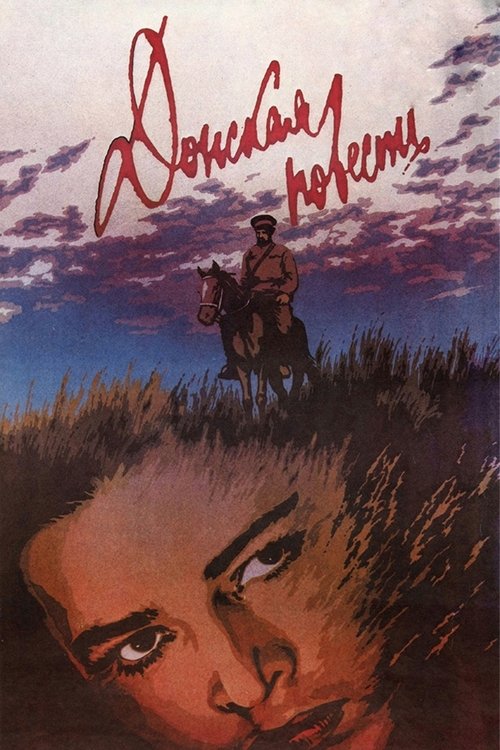
1964
No reviews yet. Be the first to share your thoughts on this movie!
Use the rating form above to leave a star rating and optional review.