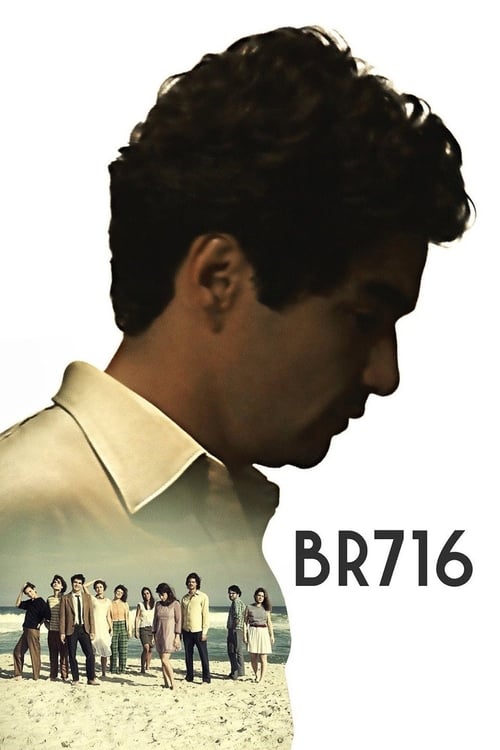
BR 716
2016
No user ratings available yet
Representation score: 5.9 out of 10

Representation Score
Good
2010
Not RatedDirector
Arnaldo Jabor
Runtime
121 minutes
Average Rating
No ratings yetNew Showbiz Analysis
Extreme Happiness functions as a period piece that leverages the cultural and political effervescence of mid-20th century Rio de Janeiro. By centering on a protagonist's journey through the 1950s and 1960s, the film explores the intersection of personal identity and systemic societal transformation. The narrative structure appears designed to challenge conventional historical clichés. It moves away from static depictions of authority and family, opting instead to examine the fluidity of identity and the disruption of social norms during a transformative era. While the film offers a nuanced look at a shifting social landscape, specific character details regarding identity remain largely inferred from the historical and thematic context provided.
Category Breakdown
The film explores themes of sexual discovery and transformation during a period of cultural upheaval. This context suggests a narrative that moves beyond assumptions about straight relationships, even if specific LGBTQ+ identities are not explicitly detailed.
Set during a time of significant social effervescence, the story likely examines the tension between emerging women's ability to drive the story and established patriarchal structures. It captures a period of shifting domestic roles in mid-century Brazil.
The Rio de Janeiro setting provides a framework for depicting a multi-ethnic society. The narrative's focus on transformation suggests a departure from Eurocentric storytelling in favor of a more racially integrated landscape.
The film critiques established institutions by highlighting a period of intense political and economic change. It explores the subjectivity of morality and the deconstruction of traditional social stability.
There is no information available regarding the depiction of physical or neurodivergent disabilities within the film.
Present on Screen
Limited or Absent
Official Synopsis
Shortly after World War II, the city of Rio de Janeiro experiments a period of great cultural, political and economic effervescence, when all the dreams – or nearly all – seem possible. In this exciting scenery of transformation, Paulo discovers love, friendship and sex through his childhood and adolescence in the 1950’s and 1960’s.
2016

2006

1987

1964

2008

2005

2006

1995
No reviews yet. Be the first to share your thoughts on this movie!
Use the rating form above to leave a star rating and optional review.