The Devil by the Tail
1969
No user ratings available yet
Representation score: 1.6 out of 10
Representation Score
Limited
1956
ApprovedDirector
Larry Frisch
Runtime
76 minutes
Average Rating
No ratings yetNew Showbiz Analysis
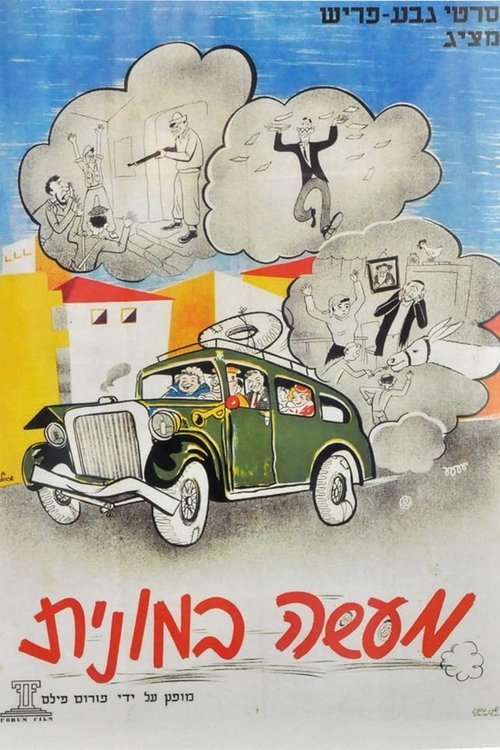
Tel Aviv Taxi presents a series of social vignettes through a communal storytelling session triggered by a taxi breakdown. This structure allows for various perspectives to emerge through oral tradition rather than a single protagonist. While the film offers a platform for different character voices, it remains grounded in the social and moral frameworks of its time. Stories often reinforce conventional social hierarchies. Ultimately, the film lacks the layered complexity or systemic critique found in more progressive works, functioning instead as a traditional anecdotal comedy.
Category Breakdown
The film does not include any characters with LGBTQ+ identities or same-sex relationships. The dynamics between characters follow the social norms of the 1950s.
Women are represented through an elderly woman and a woman sharing domestic stories. These roles emphasize traditional social roles and domestic life.
The film depicts a relatively uniform social group typical of the era. There is no indication of intentional racial diversity or varied ethnic casting.
The movie explores moral complexities through stories like a thief who steals to help the poor. This introduces themes of situational ethics and social necessity.
The mention of a demented thief suggests mental health issues are used as a plot device. This risks oversimplifying neurodivergence.
Present on Screen
Limited or Absent
Official Synopsis
A Tel Aviv taxi breaks down, and while the driver attempts to repair it, the passengers take shelter and relate tales to each other. One man relates how he became a hero, in a comic fashion, while on Army maneuvers; an elderly woman tells of her first visit to the big city; another woman tells how she and her husband invited his boss and his wife to their home for dinner, with the intent of getting the husband a raise, and they wound up in a hospital thinking they had food poisoning. Another story concerns how the police caught a demented-thief who stole from a bank to give money to the poor.
1969
1966
1958

1970

1967

1971
1969

1955
No reviews yet. Be the first to share your thoughts on this movie!
Use the rating form above to leave a star rating and optional review.