
The yellow gloves
1960
No user ratings available yet
Representation score: 1.4 out of 10
Representation Score
Limited
1957
Director
Alekos Sakellarios
Runtime
86 minutes
Average Rating
No ratings yetNew Showbiz Analysis
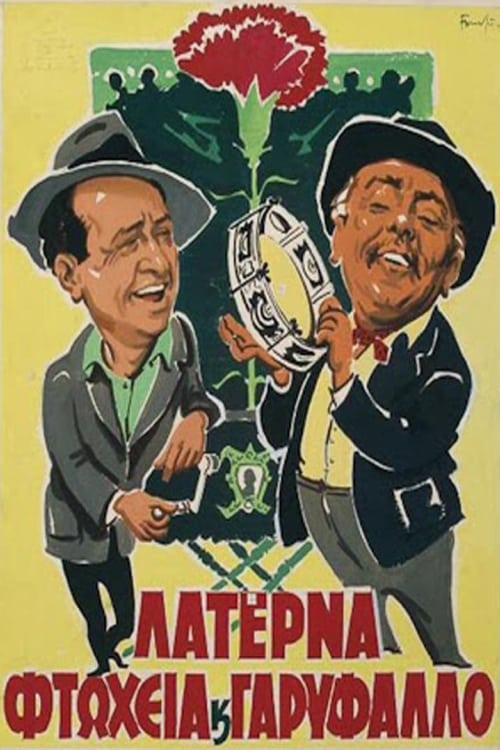
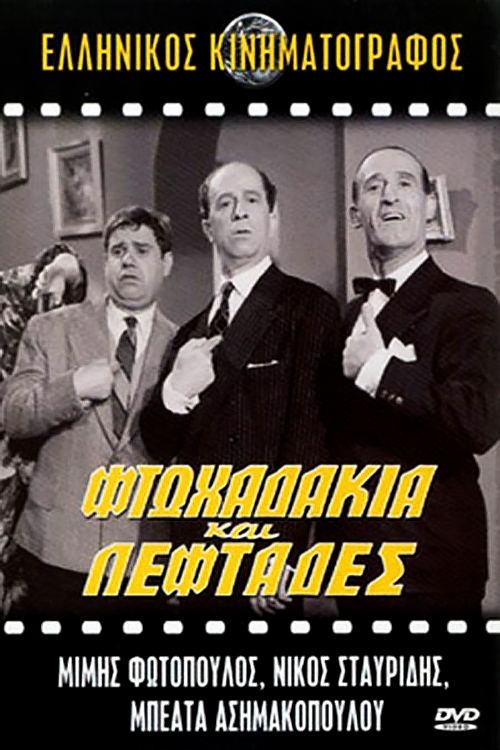
Laterna, Poverty and Carnation is a character-driven comedy reflecting the social constraints of 1957 Greece. The narrative focuses on the socioeconomic survival of two itinerant performers in urban Athens. The film does not intentionally address modern multi-layered frameworks and instead emphasizes traditional storytelling and localized, homogeneous social dynamics. While the film captures the essence of mid-century Greek life, it remains rooted in the era's conventional social and gendered structures.
Category Breakdown
The film adheres to the social norms of 1950s Mediterranean society and does not include any non-straight or non-cisgender identities or stories that challenge the assumption that everyone is straight and cisgender.
The story centers around two male characters and their economic hardships. Female characters are present but have little control over their situations and do not challenge patriarchal structures.
Set in Athens, the film focuses on a homogenous Greek population and does not feature actors from different ethnic backgrounds.
The film explores the ethical dilemmas of survival within traditional societal norms. It emphasizes traditional friendships rather than challenging modern moral frameworks.
The declining health of a character introduces a theme of physical vulnerability. However, it is unclear whether this situation provides the character with real power or merely serves as a plot device.
Present on Screen
Limited or Absent
Official Synopsis
Pavlaras and Petrakis have spent the money that Kaiti's father gave them two years ago and continue to travel around Athens with their lantern. However, Pavlaras is not well and needs to rest, as recommended by his doctor. Petrakis collects money from their friends, but it is not enough to cover their expenses. He is then forced to secretly sell the lantern without Pavlaras' knowledge.
1960
1956
1964
1962
1961

1962

1963
1962
No reviews yet. Be the first to share your thoughts on this movie!
Use the rating form above to leave a star rating and optional review.