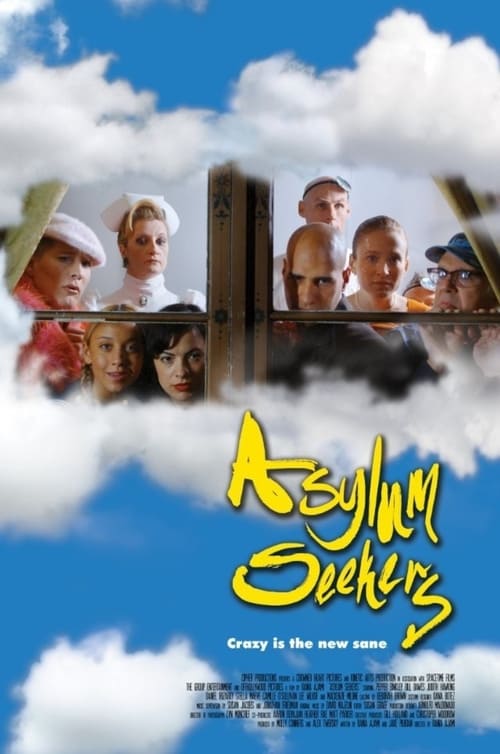
Asylum Seekers
2009
No user ratings available yet
Representation score: 6.2 out of 10
Representation Score
Fair
1986
PG-13Director
Naftali Alter
Runtime
105 minutes
Average Rating
No ratings yetNew Showbiz Analysis
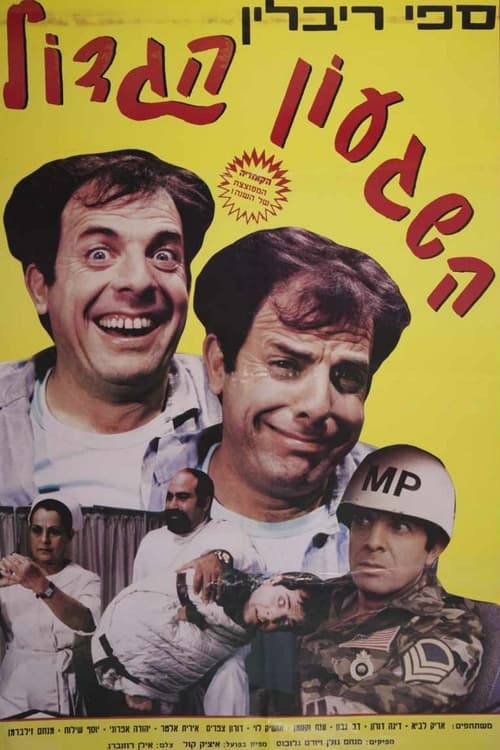
Million Dollar Madness is a regional character comedy that prioritizes absurdist farce over multi-layered depth. While the plot disrupts traditional notions of institutional authority, the narrative remains rooted in the social norms of 1980s Israel. The film's reliance on exaggerated portrayals of mental health conditions suggests a tendency toward clichéd humor. This approach often uses disability as a comedic device rather than a means of character development. Ultimately, the production functions as a localized satire. It lacks the intentionality required to deconstruct identity-based hierarchies, focusing instead on the chaotic energy of its central counterfeiting plot.
Category Breakdown
The film lacks explicit evidence of LGBTQ+ characters or non-binary identities. It follows traditional comedic structures centered on heterosexual social dynamics.
The film focuses primarily on male characters, particularly a bank manager navigating a male-dominated asylum. Conventional gender roles are used for comedic effect.
The production likely reflects the demographic homogeneity of 1980s Israel. There is no indication of a deliberate effort to disrupt regional ethnic hierarchies through high-profile characters.
The plot uses institutional dysfunction and counterfeiting for slapstick humor. While it critiques systemic sanity, it avoids a structured critique of religious or capitalist institutions.
The film uses a mental institution as a setting where actors exaggerate patient portrayals. This risks using neurodivergence as a comedic caricature rather than providing nuanced representation.
Present on Screen
Limited or Absent
Official Synopsis
This comedy about the "sanity" of those in an asylum focuses on popular Israeli comic Seffi Rivlin, who plays a bank manager who discovers that the inmates of a mental institution are running a counterfeiting operation from the basement of their hospital. Actors exaggerate their portrayals of the patients, and the plot zooms off in several directions at once
2009
1985
1979
1971
1979
1973
1987
1989
No reviews yet. Be the first to share your thoughts on this movie!
Use the rating form above to leave a star rating and optional review.