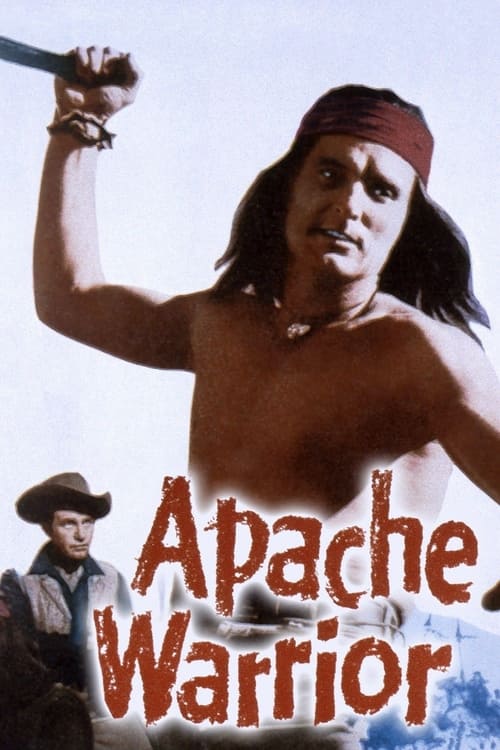
Apache Warrior
1957
No user ratings available yet
Representation score: 0.9 out of 10
Representation Score
Minimal
1956
NRDirector
Joseph H. Lewis
Runtime
75 minutes
Average Rating
No ratings yetNew Showbiz Analysis
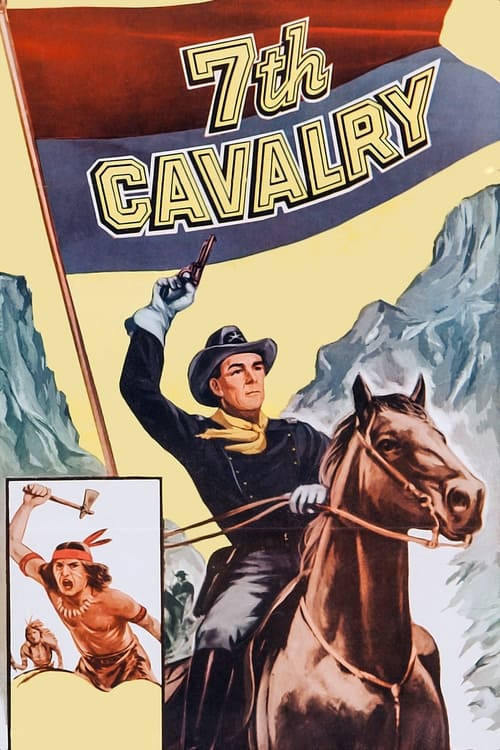
7th Cavalry is a quintessential mid-century Western that reinforces traditional social hierarchies. The narrative prioritizes military structure and the expansionist mythos of the American frontier, offering little challenge to established power dynamics. The film lacks complexity, focusing instead on the physical struggles of male soldiers and the preservation of institutional authority. It functions as a standard genre piece that adheres to the social constraints of the 1950s.
Category Breakdown
The film operates within a strictly heterosexual and cisgender framework. There is no presence of non-binary or LGBTQ+ identities or same-sex relationships.
The narrative focus remains almost exclusively on masculine leadership and military discipline. Women appear in secondary, supportive roles without the power to drive the plot.
Indigenous characters are central to the conflict but function primarily as thematic foils to white protagonists. The film reflects the expansionist perspectives of its era.
The story emphasizes military order, patriotism, and settler-colonial structures. Moral frameworks are presented through a conventional lens of duty and honor.
There are no prominent depictions of visible or invisible disabilities. No character arcs are defined by neurodivergence or chronic illness.
Present on Screen
Limited or Absent
Official Synopsis
An officer accused of cowardice volunteers to bring back General Custers's body after Little Big Horn.
1957
1960

1959
1966
1961
1956

1958
1958
No reviews yet. Be the first to share your thoughts on this movie!
Use the rating form above to leave a star rating and optional review.