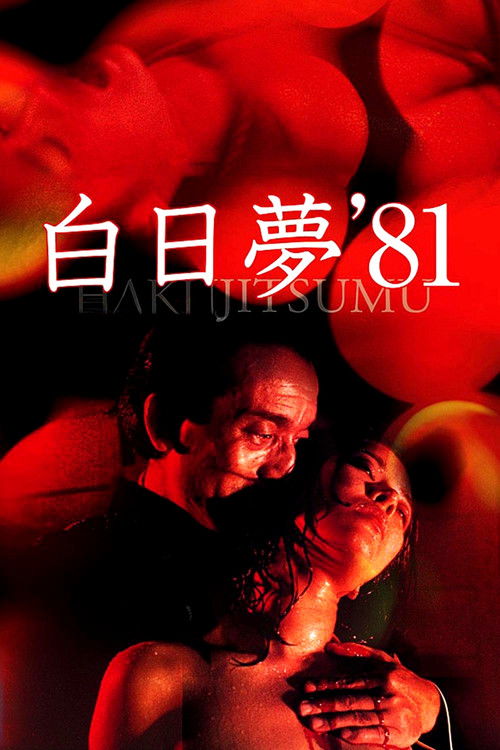
Day Dream
1981
No user ratings available yet
Representation score: 2.7 out of 10
Representation Score
Good
1987
Director
Tetsuji Takechi
Runtime
88 minutes
Average Rating
No ratings yetNew Showbiz Analysis
Tetsuji Takechi’s work utilizes transgressive themes to disrupt conventional social and moral expectations. The film functions as a psychological horror piece that prioritizes subjective experience and the blurring of reality over objective stability. While the film succeeds in subverting gendered power dynamics through its female antagonist, it remains limited by its culturally homogeneous setting. The narrative focuses heavily on the violation of bodily autonomy and the deconstruction of institutional trust. Ultimately, the film avoids conventional storytelling clichés, opting instead for an unsettling exploration of ability to act and psychological instability.
Category Breakdown
The film explores non-traditional sexual dynamics that go beyond the assumption that everyone is straight or cisgender. While specific LGBTQ identities are not confirmed, the focus on unconventional sexual relationships suggests a moderate inclusion of non-normative sexualities.
The film subverts traditional gender roles by casting a female dentist as the primary aggressor. She holds a position of clinical authority and physical dominance over the protagonist, disrupting standard gender hierarchies.
As a Japanese production, the film operates within a culturally homogeneous framework. It lacks the blending of different ethnic backgrounds seen in modern global cinema but maintains a specific cultural lens.
The story critiques institutional trust by framing a medical professional as a source of trauma. It prioritizes subjective, chaotic truth over a singular moral or social order.
A physical dental ailment serves as the catalyst for the protagonist's psychological crisis. The film explores bodily vulnerability and the impact of physical trauma, though it may use these states as narrative devices.
Present on Screen
Limited or Absent
Official Synopsis
A girl, Sakae, who is looking for a dentist for a pain in a tooth, meets Shinkichi along the way, a guy that gives her a ride. The dentist, a woman, starts to visit her, anesthetizes her and abuses her. Sakae and then Shikichi, are drawn into a nightmare of sex and perversion ... But is this all real?
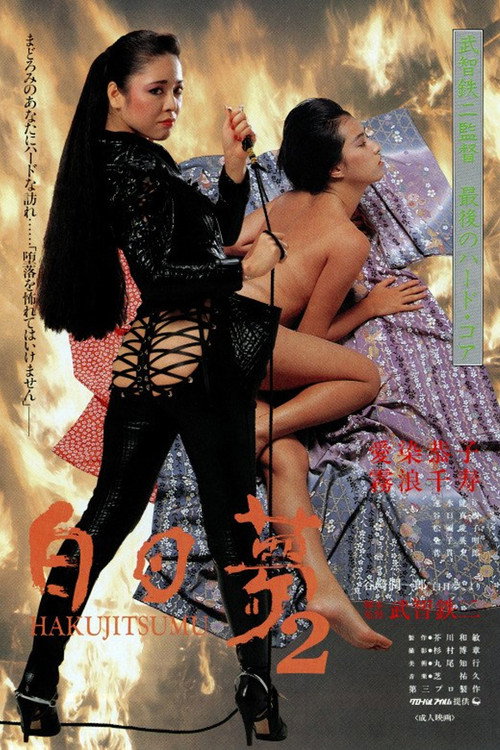
1981

2005
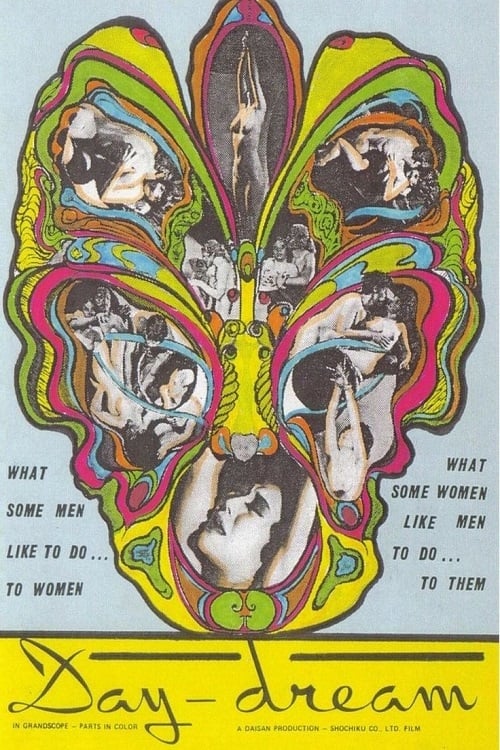
1964

1969

1999

1989
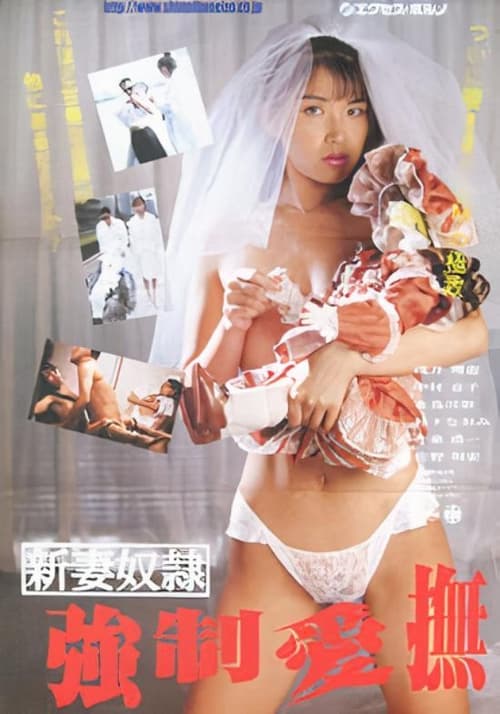
1991
1991
No reviews yet. Be the first to share your thoughts on this movie!
Use the rating form above to leave a star rating and optional review.