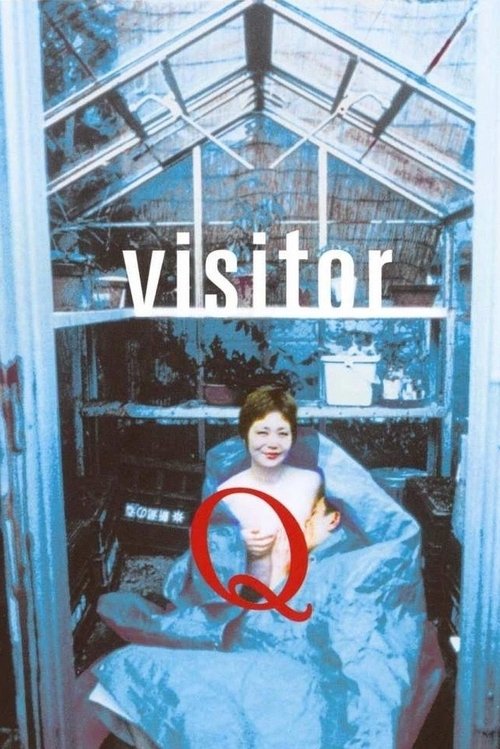
Visitor Q
2001
No user ratings available yet
Representation score: 5.0 out of 10
Representation Score
Fair
2002
RDirector
Takashi Miike
Runtime
113 minutes
Average Rating
No ratings yetNew Showbiz Analysis
Takashi Miike’s film serves as a postmodern critique of social stability rather than a study of intersecting demographics. It succeeds by dismantling the 'idealized family' cliché, replacing social cohesion with a surrealist framework that embraces moral ambiguity. Though the film lacks broad representation of LGBTQ+ and ethnic groups, its narrative structure challenges traditional social and ethical norms. It questions the sanctity of social institutions through its portrayal of chaotic, situational ethics. Ultimately, the work prioritizes breaking down hierarchies over including diverse identities, focusing on social subversion rather than demographic variety.
Category Breakdown
The film focuses on a quirky, traditional family. It doesn't include explicit LGBTQ+ characters or stories that challenge the idea that everyone is straight. Instead, it stays within typical family archetypes.
The story breaks down patriarchal structures by removing the usual stable leader figure. Characters act in ways that defy strict, traditional gender roles and behavior.
This film explores a Japanese family in a culturally specific way. While it doesn’t show multi-layered diversity, it avoids presenting a Western family as the standard.
The film stands out by rejecting a single, traditional moral code. It shows functional chaos and social rebellion through a lens of postmodern absurdity and whimsical detachment.
There are no characters with visible or hidden disabilities used as central plot devices or shown with specific influence over the story.
Present on Screen
Limited or Absent
Official Synopsis
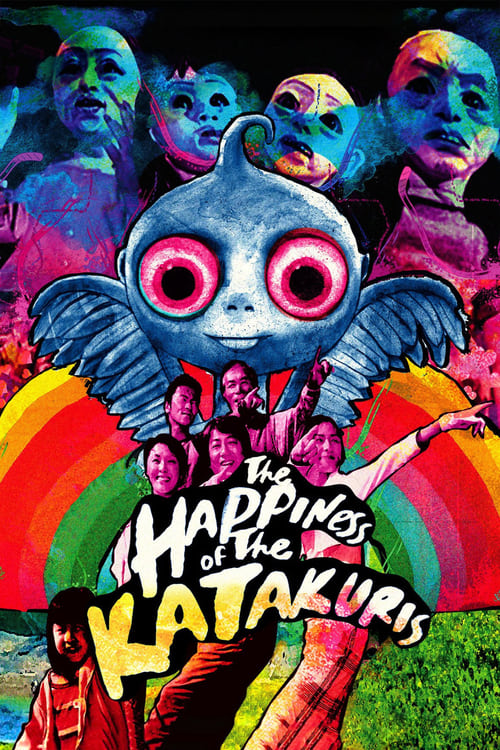
The Katakuri family has just opened their guest house in the mountains. Unfortunately their first guest commits suicide and in order to avoid trouble they decide to bury him in the backyard. Things get way more complicated when their second guest, a famous sumo wrestler, dies while having sex with his underage girlfriend and the grave behind the house starts to fill up more and more.
2001
1998
2007
1964

2014

2004
1985
2015
No reviews yet. Be the first to share your thoughts on this movie!
Use the rating form above to leave a star rating and optional review.