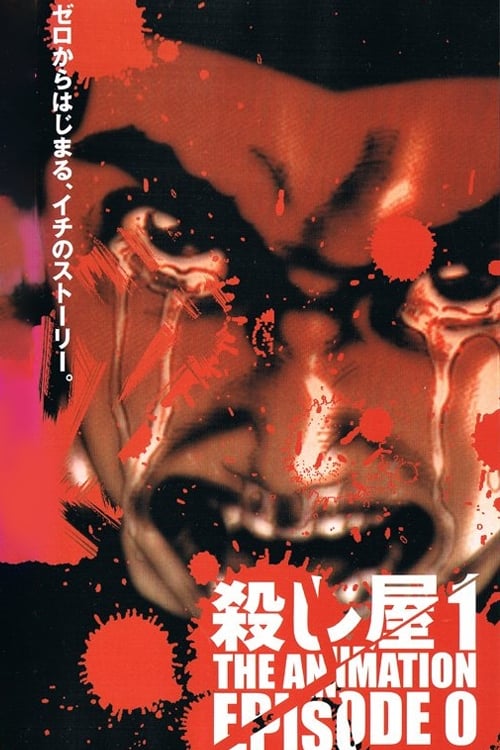
Ichi the Killer: Episode Zero
2002
No user ratings available yet
Representation score: 7.6 out of 10
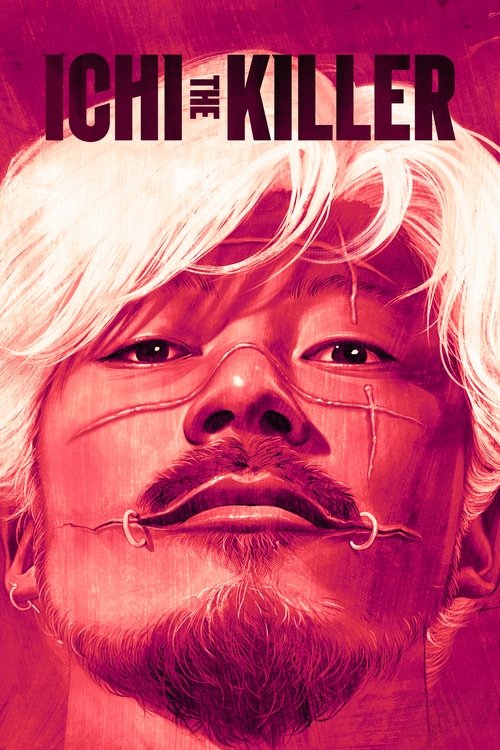
Representation Score
Excellent
2001
RDirector
Takashi Miike
Runtime
129 minutes
Average Rating
No ratings yetNew Showbiz Analysis
Takashi Miike’s work functions as a postmodern critique of social stability, using extreme violence to dismantle traditional moral centers. The film succeeds in its rejection of institutional authority and its embrace of moral relativism. While the film lacks traditional demographic diversity, it provides a complex landscape of non-conformity. It actively challenges standard gender and sexual archetypes, offering a transgressive storytelling approach. Ultimately, the film is a study in disruption. It replaces conventional archetypes with characters driven by pathology, offering a visceral rejection of decaying social systems.
Category Breakdown
The film challenges traditional assumptions about sexuality and gender by focusing on male-on-male relationships and non-traditional sexual behaviors. These elements are central to the character development, but the characters often lack the ability to make independent choices, which limits the overall impact.
Masculinity is portrayed through psychological vulnerability and fragmentation rather than traditional strength. The narrative avoids the cliché of stable male leadership, instead presenting masculinity through lenses of instability and physical volatility.
The story focuses on the internal hierarchies of the Japanese criminal underworld. It lacks a broad range of perspectives reflecting multiple aspects of identity and remains a localized exploration of a specific subculture.
The film excels at deconstructing social institutions and traditional pillars of order. It presents a world of moral relativism where law enforcement and organized crime are depicted as corrupt or predatory.
Neurodivergence and psychological instability drive the central characters. However, these portrayals often use mental instability as a stylistic device for narrative shock rather than providing characters with holistic ability to act.
Present on Screen
Limited or Absent
Official Synopsis
As sadomasochistic yakuza enforcer Kakihara searches for his missing boss he comes across Ichi, a repressed and psychotic killer who may be able to inflict levels of pain that Kakihara has only dreamed of.
2002
1999
2003

2012

2001

2007
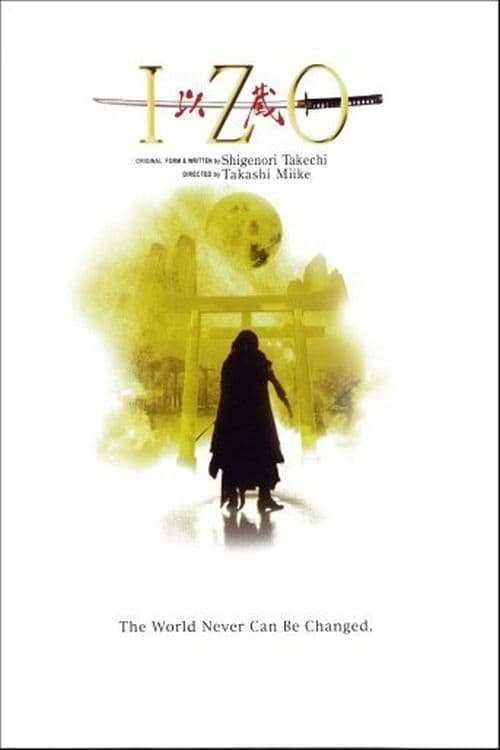
2004

2023
No reviews yet. Be the first to share your thoughts on this movie!
Use the rating form above to leave a star rating and optional review.