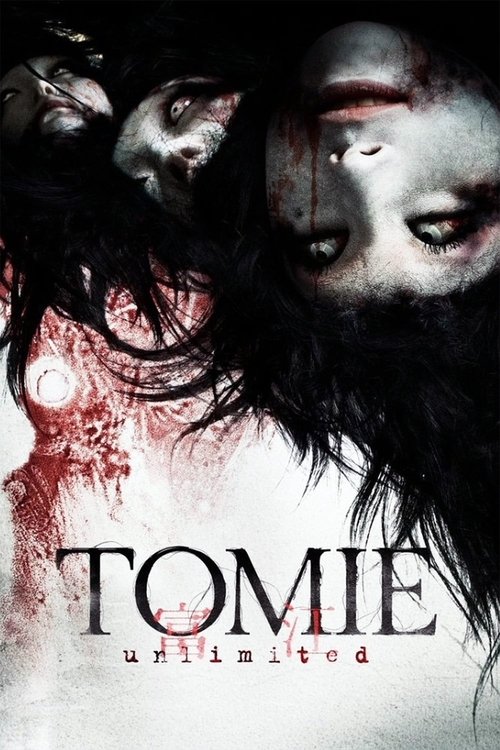
Tomie: Unlimited
2011
No user ratings available yet
Representation score: 6.0 out of 10
Representation Score
Good
2004
Director
Mari Asato
Runtime
50 minutes
Average Rating
No ratings yetNew Showbiz Analysis
The film stands out by breaking down social and familial stereotypes, especially through its reimagining of maternal roles and traditional morality. It shifts away from Western-centric narratives by focusing on a culturally specific psychological horror theme. However, the film does not include explicit representation of LGBTQ+ identities or diverse ethnic groups. Its handling of physical differences leans towards using them as horror devices rather than giving meaningful roles to characters with disabilities. Overall, the work explores moral relativism, emphasizing the collapse of traditional structures over broader social inclusivity.
Category Breakdown
The film does not explicitly depict LGBTQ+ identities or relationships that go beyond the assumption that everyone is straight or cisgender. The story centers on the biological bond between a mother and her child.
Setsu challenges traditional gender roles by being the main force driving the plot. Her actions become morally ambiguous, which contrasts with the typical depiction of a nurturing mother.
As a Japanese production, the film provides a non-Western perspective. However, there is no indication of multi-ethnic casting or characters representing various backgrounds.
The story questions Western moral frameworks by portraying maternal desperation as terrifying. It challenges the idea of the sacred family unit and the innocence of children.
Physical transformation and unusual body states are used as horror elements. The character's decomposing condition serves as a plot device rather than a detailed exploration of disability.
Present on Screen
Limited or Absent
Official Synopsis
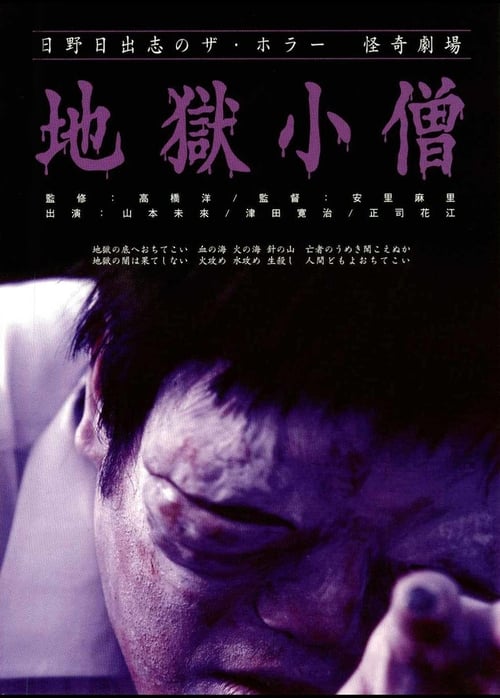
A mysterious old woman appears before Setsu, who has recently lost her only child in a tragic accident. She says she can bring Setsu's son, Daio back to life. After agreeing to this sinister proposal, Daio returns to his mother, but to Setsu's horror, he is half decomposed and inhuman. To make him human again, he needs fresh human organs. Setsu does everything she can to reincarnate her son, but Daio just turns into a different kind of monster. No one can stop him as he continues to feed his hunger, claiming victim after victim.
2011
2000

1996
1964
2001
1989

2015
1988
No reviews yet. Be the first to share your thoughts on this movie!
Use the rating form above to leave a star rating and optional review.