Dead Girl Walking
2004
No user ratings available yet
Representation score: 6.7 out of 10
Representation Score
Good
2014
Director
Mari Asato
Runtime
104 minutes
Average Rating
No ratings yetNew Showbiz Analysis
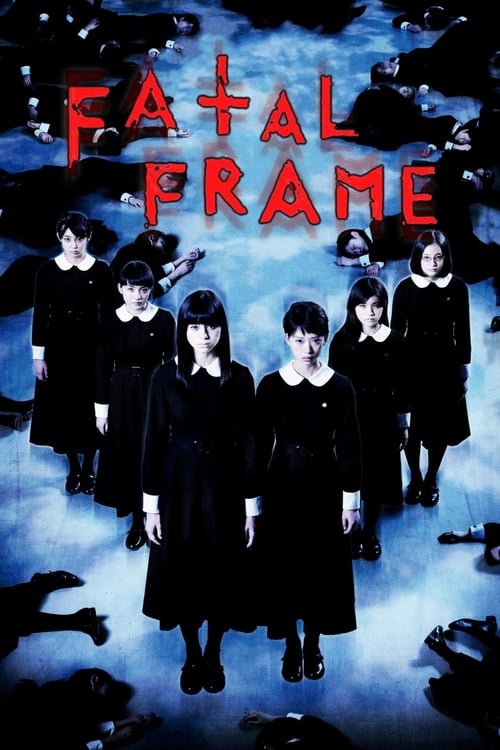
Fatal Frame (2014) stands out through a narrative that prioritizes psychological depth and women's ability to drive the story. By placing the intellectual and physical burden of the mystery on Aya and Michi, the film dismantles traditional gender hierarchies in horror. While the film remains ethnically uniform, this choice aligns with the cultural authenticity of its Japanese setting. The focus on internal psychological states and the breakdown of institutional safety provide a nuanced look at trauma, even if specific identity markers for LGBTQ+ or disability representation remain implicit.
Category Breakdown
The story centers on the strong emotional bond between two female students, Aya and Michi. Though the film doesn't explicitly mark their relationship as romantic, it emphasizes their shared experiences and connection over typical male leads.
The film challenges traditional horror conventions by focusing on female protagonists. Aya and Michi take active roles in driving the plot, moving beyond the passive 'damsel' stereotype.
The cast is ethnically uniform, reflecting the Japanese setting of the school dormitory. The film stays true to its cultural context without trying to blend different racial backgrounds.
The narrative delves into systemic trauma and psychological distress within a closed environment. It portrays the supernatural as a reflection of historical suffering rather than a straightforward battle of good versus evil.
Themes of psychological distress and being 'cursed' serve as metaphors for mental health struggles. However, the film does not depict characters with specific, recognized disabilities.
Present on Screen
Limited or Absent
Official Synopsis
High school student Aya Tsukimori becomes cursed and is unable to leave her school dormitory. Meanwhile, many students begin reporting ghost sightings at the school, while others go missing and are later discovered to have drowned mysteriously. Soon, Aya attempts to communicate with fellow student Michi Kazato, who begins investigating the disappearances of her friends.
2004
2000
2021
2002
2021
2018
2015
2015
No reviews yet. Be the first to share your thoughts on this movie!
Use the rating form above to leave a star rating and optional review.