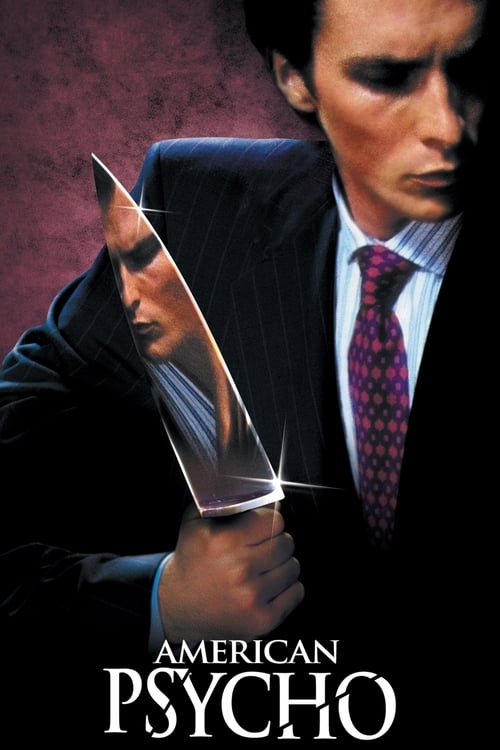
American Psycho
2000
No user ratings available yet
Representation score: 5.7 out of 10

Representation Score
Limited
2010
RDirector
Michael Winterbottom
Runtime
109 minutes
Average Rating
No ratings yetNew Showbiz Analysis
The film is a period-specific psychological thriller that prioritizes the deconstruction of individual morality over systemic social representation. It functions as a grim character study of a sociopathic deputy sheriff in mid-century West Texas. While the film effectively challenges the 'moral hero' archetype by revealing the protagonist's internal pathology, it remains tethered to the social constraints of its era. The narrative architecture focuses on psychological tension rather than progressive social frameworks. Ultimately, the production lacks diverse casting and multi-layered depth. It explores the corruption of institutional power through a singular, white, male lens, offering little engagement with broader social hierarchies.
Category Breakdown
The film adheres to a strict assumption that everyone is straight or cisgender. It does not include any depictions of LGBTQ+ identities or narratives that challenge traditional social structures.
Women are primarily portrayed as subjects of the protagonist's manipulation. The film depicts a rigid 1960s gender hierarchy without giving female characters much control over their own lives.
The story focuses almost exclusively on a white, Anglo-Saxon demographic. It lacks diverse casting, reflecting the homogeneous rural environment of the setting.
The narrative challenges the 'protector' archetype by portraying a law enforcement officer as a predator. It critiques the stability of civic institutions through individual dysfunction.
The protagonist's sociopathy drives the plot but leans into the 'predatory outsider' cliché. It lacks a nuanced exploration of neurodivergent lived experiences.
Present on Screen
Limited or Absent
Official Synopsis
Deputy Sheriff Lou Ford is a pillar of the community in his small west Texas town, patient and apparently thoughtful. Some people think he is a little slow and maybe boring, but that is the worst they say about him. But then nobody knows about what Lou calls his "sickness": He is a brilliant, but disturbed sociopathic sadist.
2000
1950
2012

1986
2010
1971

2007
1997
No reviews yet. Be the first to share your thoughts on this movie!
Use the rating form above to leave a star rating and optional review.