Point Blank
1967
No user ratings available yet
Representation score: 1.8 out of 10
Representation Score
Limited
1968
RDirector
Peter Bogdanovich
Runtime
90 minutes
Average Rating
No ratings yetNew Showbiz Analysis
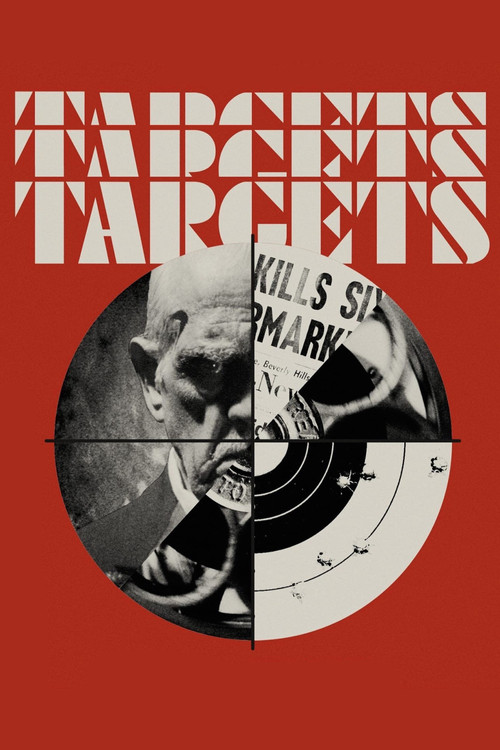
Targets functions as a clinical deconstruction of violence, prioritizing a detached, observational style over traditional cinematic catharsis. It uses a fragmented structure to present senselessness as a systemic reality. While the film lacks intentional demographic inclusion, it succeeds in its postmodern critique of social norms. It refuses to provide a traditional moralizing commentary or a sense of justice. Ultimately, the work is defined by its structural refusal to uphold traditional hierarchies, even as it remains narrow in its representation of identity and background.
Category Breakdown
The film does not include any LGBTQ+ characters or narratives. It focuses on the mechanics of shooting incidents and the psychological voids of the perpetrators.
Female characters provide the emotional weight as observers and victims of violence. However, the film maintains traditional gender hierarchies without challenging masculine authority.
The ensemble is predominantly white, reflecting the 1968 Los Angeles setting. The narrative does not prioritize racial diversity or utilize non-white protagonists.
The film offers a sophisticated critique of social stability through moral relativism. Its documentary-style lens challenges the efficacy of Western institutions and social order.
There is no significant focus on neurodivergence or physical disability. The perpetrators' psychological states are presented as a void rather than a nuanced exploration of mental health.
Present on Screen
Limited or Absent
Official Synopsis
An aging horror-movie icon's fate intersects with that of a seemingly ordinary young man on a psychotic shooting spree around Los Angeles.
1967

1972
1988
1971

1948
1973

1976

1955
No reviews yet. Be the first to share your thoughts on this movie!
Use the rating form above to leave a star rating and optional review.