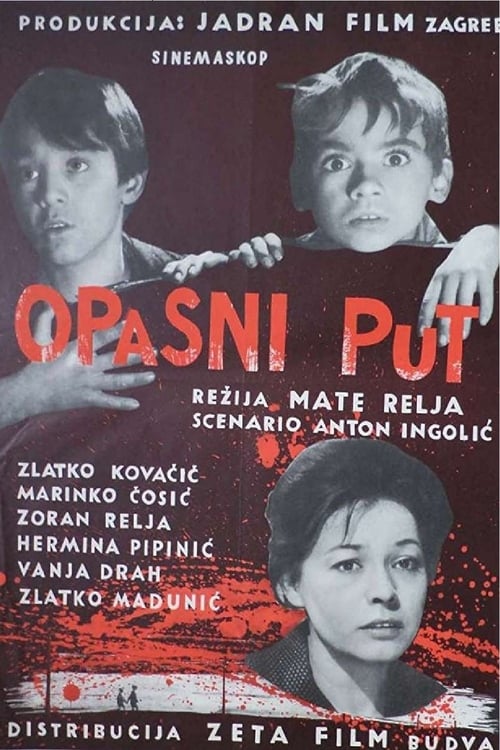
The Dangerous Journey
1963
No user ratings available yet
Representation score: 7.0 out of 10
Representation Score
Good
1960
Director
Karel Kachyňa
Runtime
84 minutes
Average Rating
No ratings yetNew Showbiz Analysis
Slingboy is a period-specific drama that prioritizes historical realism and the psychological impact of war over modern multi-layered markers. Its strength lies in its humanistic approach to conflict, centering the ability to act of a underrepresented child against a fascist regime. The film's narrow focus on the Czech wartime experience limits its racial and gender diversity. It operates within the social constraints of 1960s Czechoslovak cinema, focusing on survivalist themes rather than identity politics. Ultimately, the work succeeds as a critique of systemic oppression. While it lacks explicit representation of LGBTQ+ or multi-ethnic groups, it provides a vital perspective on the individual's struggle against institutionalized violence.
Category Breakdown
The film does not include explicit LGBTQ+ characters or stories that explore non-straight relationships. It focuses on wartime survival and national themes rather than identity-based narratives.
The story centers on a young male protagonist in a male-dominated military setting. It avoids traditional feminine archetypes but does not challenge the existing gender hierarchy.
As a localized historical drama, the film focuses on the Czech experience. It provides a non-Western-centric view of the conflict by centering a non-Anglo-Saxon population.
The film offers a strong critique of oppressive systems and fascist ideologies. It highlights the struggle of an individual against institutionalized violence and state power.
Specific details on physical or neurodivergent disabilities are unconfirmed. However, the narrative likely explores the psychological trauma resulting from concentration camp survival.
Present on Screen
Limited or Absent
Official Synopsis
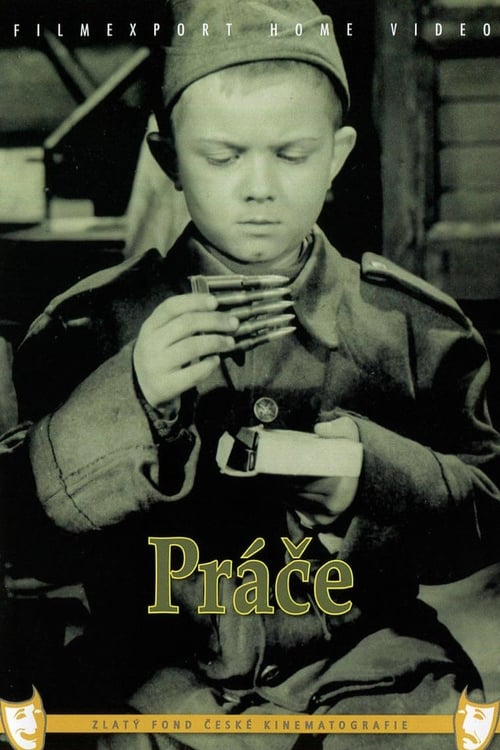
A young Czech boy is freed from a concentration camp and now is working for the army against the Germans.
1963
1962
1965

2014
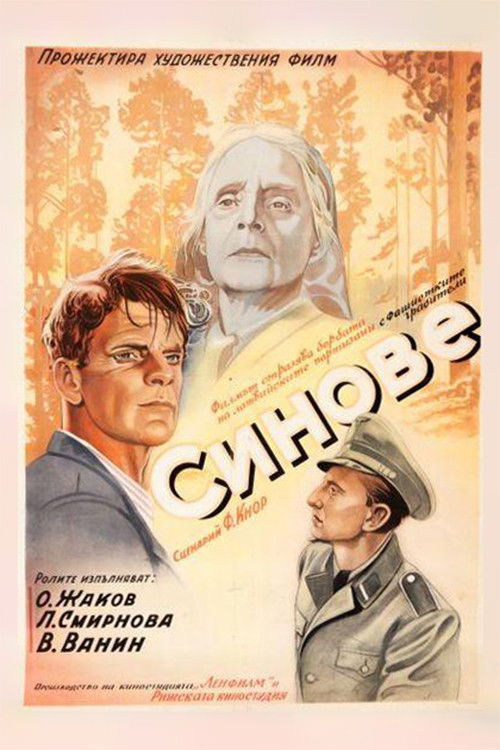
1946
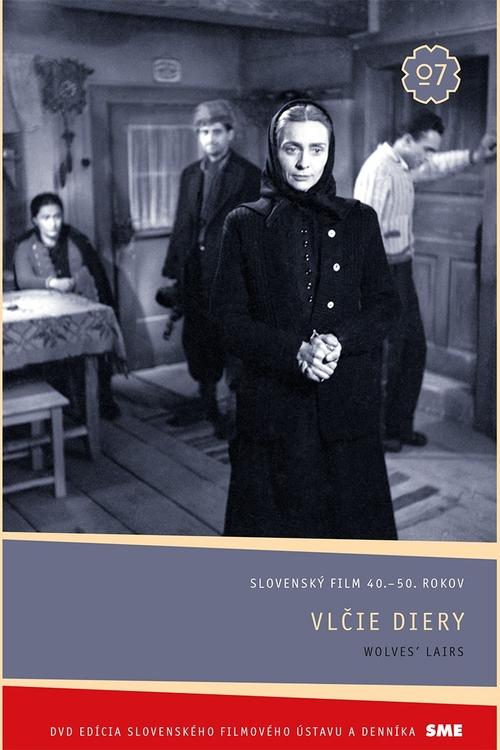
1948
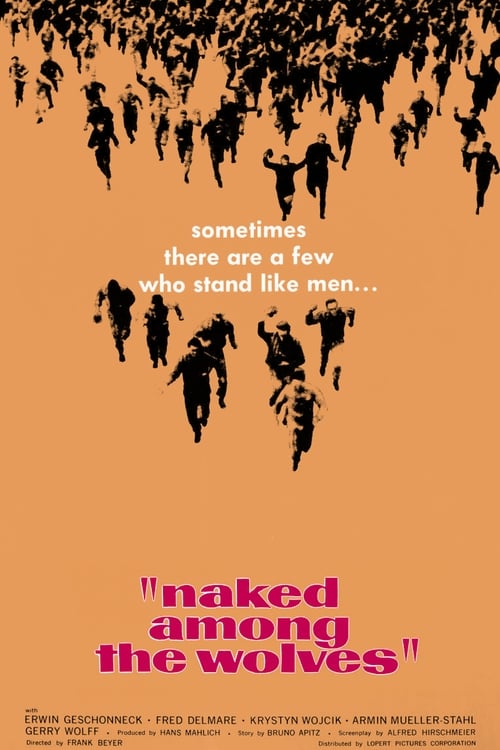
1963
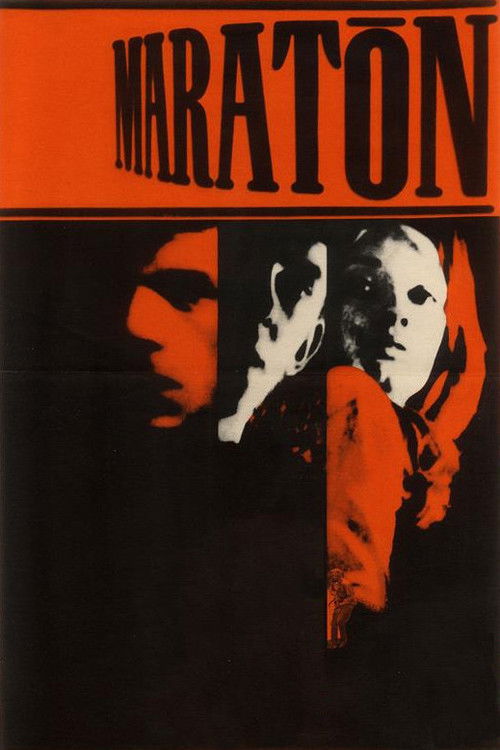
1968
No reviews yet. Be the first to share your thoughts on this movie!
Use the rating form above to leave a star rating and optional review.