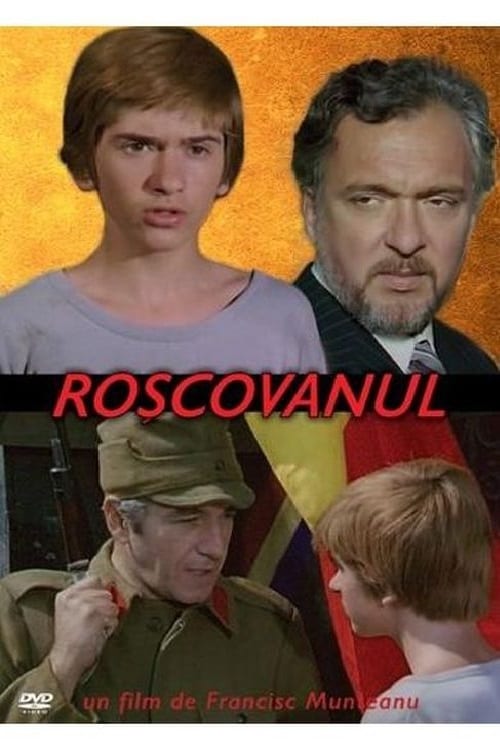
The Redhead
1976
No user ratings available yet
Diversity score: 5.5 out of 10
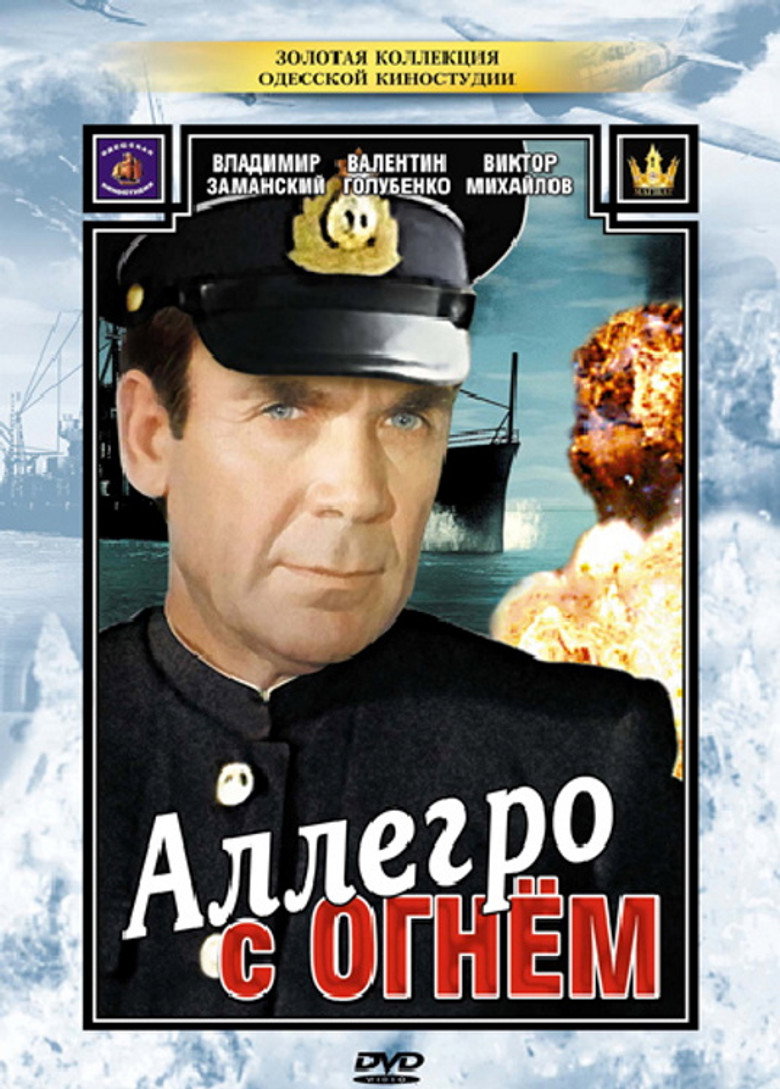
1979
Director
Vladimir Strelkov
Runtime
91 minutes
Average Rating
No ratings yetSynopsis
A heroic story about Soviet sailors fighting Nazis during WWII.
Overall Score
Limited
Category Breakdown
LGBTQ+ Representation
The film lacks any evidence of non-cisnormative identities or same-sex intimacy. It adheres to the heteronormative structures and traditional familial archetypes common in 1979 Soviet wartime narratives.
Gender Representation
The story centers on masculine archetypes of strength and combat through its focus on Soviet sailors. Female characters appear to occupy secondary or supportive roles within traditional hierarchies.
Racial & Ethnic Diversity
While reflecting the multi-ethnic composition of the USSR, the film likely presents a monolithic 'Soviet' identity. It lacks specific evidence of intersectional diversity beyond a unified national archetype.
Religious & Cultural Diversity
The narrative champions state-sanctioned heroism and patriotism. It operates within a traditionalist moral framework that emphasizes collective struggle and clear distinctions between defenders and adversaries.
Disability Representation
Physical injury serves primarily as a plot device to signify sacrifice. There is no evidence of neurodivergent representation or nuanced portrayals of chronic illness.
Strengths
Areas for Improvement
AI Analysis
Allegro with Fire is a traditionalist historical drama that prioritizes nationalistic cohesion over individual identity. The narrative architecture relies on established social norms of the late Soviet era, focusing on collective heroism and state-aligned duty. The film lacks intersectional complexity, instead reinforcing conventional masculine archetypes and traditional hierarchies. It functions as a singular moral tale of wartime struggle rather than a nuanced exploration of diverse lived experiences. Ultimately, the production adheres to the era's cinematic output, which emphasizes systemic duty and national unity over the subversion of social or gendered structures.
No reviews yet. Be the first to share your thoughts on this movie!
Use the rating form above to leave a star rating and optional review.