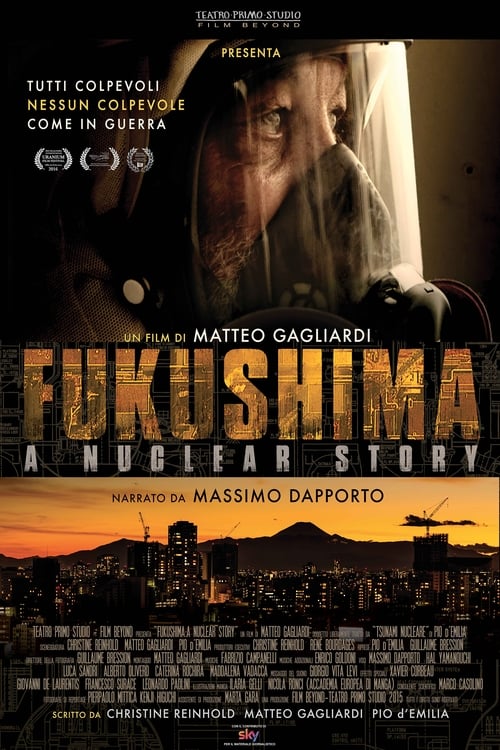
Fukushima: A Nuclear Story
2015
No user ratings available yet
Representation score: 7.8 out of 10
Representation Score
Limited
2012
TV-PGDirector
Daniel Edge
Runtime
53 minutes
Average Rating
No ratings yetNew Showbiz Analysis
This documentary serves as a critique of institutional power and systemic mismanagement during the Fukushima Daiichi crisis. It highlights the tension between bureaucratic structures and individual ability to act, focusing on workers who defy authority to save lives. While the film lacks representation of multi-layered identities, such as LGBTQ+ or diverse gender roles, it succeeds in deconstructing the myth of the competent institution. It provides a nuanced view of how power dynamics function during a catastrophe. Ultimately, the film's value lies in its focus on human life over state or corporate stability, providing a localized perspective on a global disaster.
Category Breakdown
The documentary focuses on a journalistic account of a natural and industrial disaster. It contains no visible LGBTQ+ characters or narratives.
The film centers on engineers, firemen, and soldiers, roles that appear male-dominated in this context. It lacks portrayals of traditional femininity or challenges to gender hierarchies.
The subjects are predominantly Japanese, reflecting the geographical reality of the crisis. This centers Japanese ability to act rather than using an Anglo-centric lens.
The narrative critiques institutional infallibility and industrial capitalism. It prioritizes community survival over the preservation of corporate or governmental reputations.
There is no evidence regarding the portrayal of individuals with visible or invisible disabilities.
Present on Screen
Limited or Absent
Official Synopsis
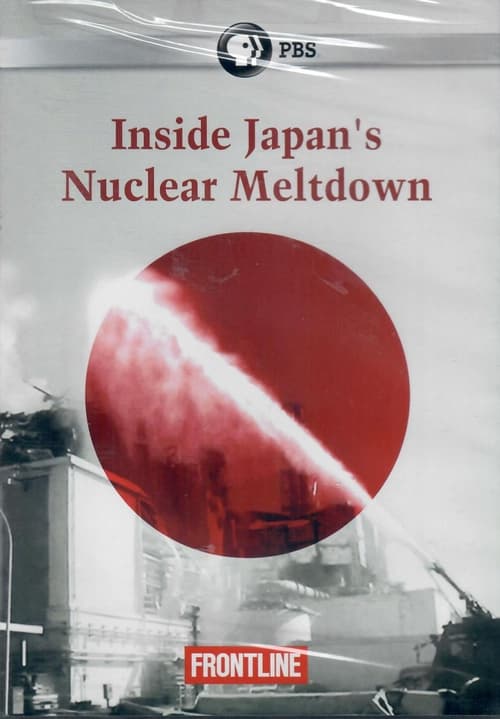
A devastating earthquake and tsunami struck Japan on March 11, 2011 triggering a crisis inside the Fukushima Daiichi nuclear complex. This 2012 documentary reveals how close the world came to a nuclear nightmare. In the desperate hours and days after the Fukushima nuclear disaster, the fate of thousands of Japanese citizens fell into the hands of a small corps of engineers, firemen and soldiers who risked their lives to prevent the Daiichi nuclear complex from complete meltdown. FRONTLINE tells the story of the workers struggling frantically to reconnect power inside the plant’s pitch-dark and highly radioactive reactor buildings; the nuclear experts and officials in the prime minister’s office fighting to get information as the crisis spiraled out of control; and the plant manager who disobeyed his executives’ orders when he thought it would save the lives of his workers.
2015
2010
2015

2013
2019
2020

2022
2016
No reviews yet. Be the first to share your thoughts on this movie!
Use the rating form above to leave a star rating and optional review.