
Kundo: Age of the Rampant
2014
No user ratings available yet
Representation score: 7.4 out of 10
Representation Score
Good
2010
RDirector
Lee Joon-ik
Runtime
108 minutes
Average Rating
No ratings yetNew Showbiz Analysis
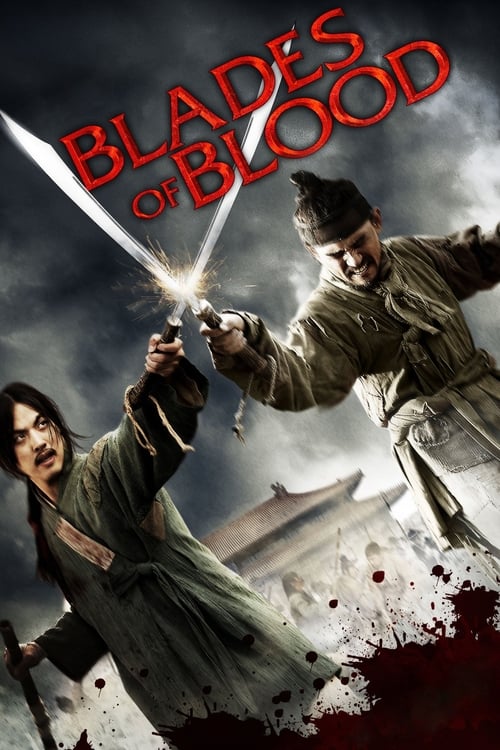
Blades of Blood succeeds as a subversive period drama that challenges traditional social hierarchies. By featuring a highly skilled female warrior and a master swordsman with a disability, the film breaks away from conventional archetypes. However, the film remains limited in its diversity. It lacks LGBTQ+ representation and maintains a culturally homogeneous cast, which limits its diversity score.
Category Breakdown
The film doesn't explicitly depict LGBTQ+ identities. The focus is on political rebellion and the bonds between male characters, which leaves out non-straight relationships.
A female protagonist challenges traditional roles by excelling as a skilled warrior. Her physical abilities and active role position her as a key driver of the action.
The cast is culturally uniform, reflecting the Joseon Dynasty setting. It centers a non-Western perspective and avoids a Western viewpoint.
The narrative criticizes the corrupt Joseon social order and monarchy. It favors grassroots rebellion over maintaining oppressive institutions.
A blind swordsman is portrayed who play a significant role in driving the story and martial skills. This challenges the stereotype of blindness as a weakness by showing his impairment as a source of specialized strength.
Present on Screen
Limited or Absent
Official Synopsis
Lee Mong-hak and a skilled blind swordsman Hwang Jeong-hak, both long to wipe away corruption and heal the world. Lee Mong-hak creates a rebel army to achieve his goal and get rid of the King.
2014
1967
2020
2018
2017
2011
2005

1972
No reviews yet. Be the first to share your thoughts on this movie!
Use the rating form above to leave a star rating and optional review.