The Raid
1991
No user ratings available yet
Representation score: 3.5 out of 10
Representation Score
Fair
2003
Not RatedDirector
Kang Woo-suk
Runtime
135 minutes
Average Rating
No ratings yetNew Showbiz Analysis
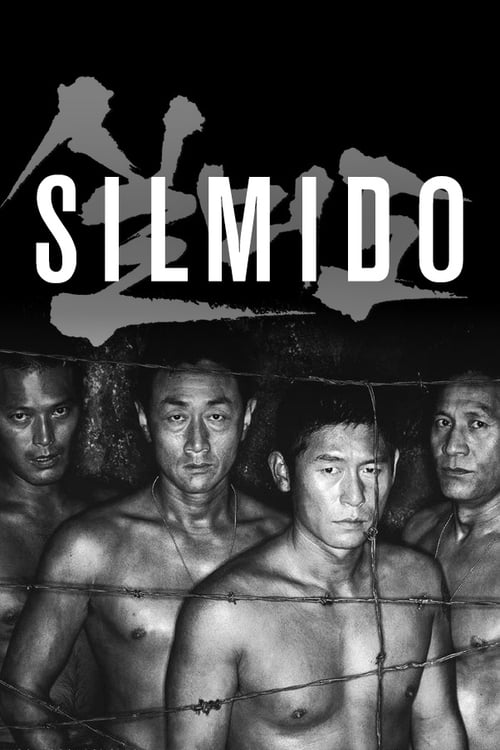
Silmido is a powerful exploration of state-sanctioned dehumanization. It dismantles national heroism by depicting how institutional power uses disenfranchised individuals as disposable geopolitical tools. The film's strength lies in its nuanced anti-establishment narrative and post-colonial critique. However, the film lacks demographic diversity. It relies on a hyper-masculine framework that excludes LGBTQ+ identities and minimizes women's ability to drive the story. While it delves into the trauma of the body, it does so through the lens of combat rather than individual experiences. Ultimately, the film prioritizes thematic complexity over traditional representation, challenging the sanctity of the state and framing patriotism and honor as hollow constructs within a corrupt, exploitative system.
Category Breakdown
The film focuses on a strictly heterosexual and hyper-masculine perspective, excluding any representation of LGBTQ+ identities or queer narratives.
The narrative centers around male characters, with women primarily serving as emotional support rather than active participants in the main conflict.
The cast is predominantly of Korean ethnicity, but the film critiques geopolitical hierarchies, highlighting how Korean bodies are used by Western military interests.
The film effectively critiques state institutions and Western authority, portraying the military as a corrupt entity that dehumanizes individuals.
Psychological trauma and physical degradation are shown as consequences of systemic violence, rather than individual conditions like mental health issues.
Present on Screen
Limited or Absent
Official Synopsis
On 31 January 1968, 31 North Korean commandos infiltrated South Korea in a failed mission to assassinate President Park Chung-hee. In revenge, the South Korean military assembled a team of 31 criminals on the island of Silmido to kill Kim Il-sung for a suicide mission to redeem their honor, but was cancelled, leaving them frustrated. It is loosely based on a military uprising in the 1970s.
1991

2013
2011

2014
1999

1967
2010
2016
No reviews yet. Be the first to share your thoughts on this movie!
Use the rating form above to leave a star rating and optional review.