Zatoichi: Darkness Is His Ally
1989
No user ratings available yet
Representation score: 4.3 out of 10
Representation Score
Limited
2010
Director
Junji Sakamoto
Runtime
131 minutes
Average Rating
No ratings yetNew Showbiz Analysis
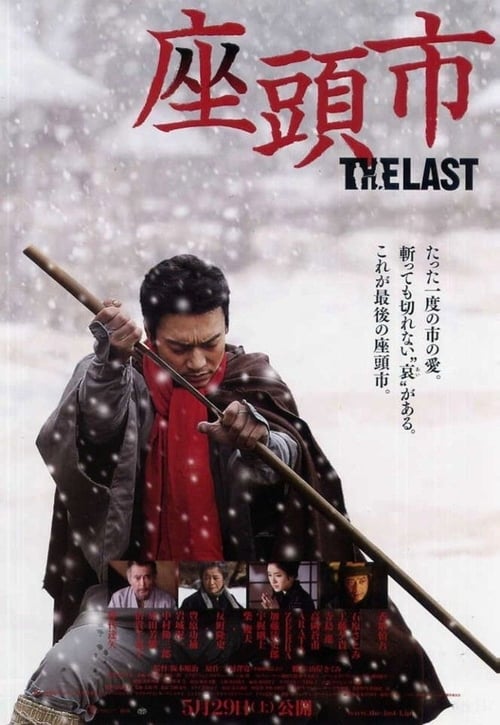
Zatoichi: The Last is a traditional samurai film that prioritizes historical authenticity and genre conventions. It highlights the protagonist's disability as a source of specialized skills and ability to act. However, the film adheres to patriarchal social hierarchies and lacks diversity in gender roles and LGBTQ+ representation. Ultimately, it explores justice within a feudal framework without challenging modern social norms.
Category Breakdown
The film does not include any LGBTQ+ characters or storylines. It emphasizes heterosexual relationships typical of its historical setting.
Male characters dominate the narrative through their martial skills. Female characters mostly serve as emotional support or catalysts for the main character.
The film features a predominantly Japanese cast reflecting the Edo period. This dedication to historical accuracy prevents whitewashing.
The story examines the tension between personal morality and corrupt institutions. It uses the ronin archetype to explore feudal society.
The protagonist's blindness is integral to his identity and grants him unique abilities rather than being portrayed as a tragedy.
Present on Screen
Limited or Absent
Official Synopsis
A blind master swordsman attempts to lead a quiet life with his wife but he is provoked back into battle.
1989
1962
1963
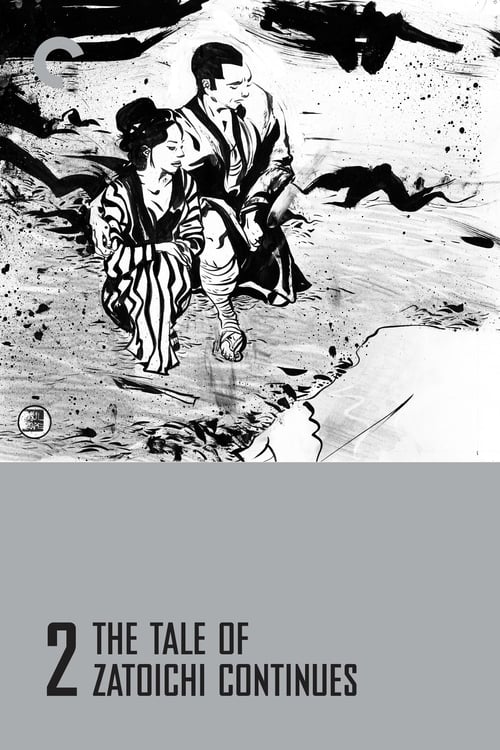
1962
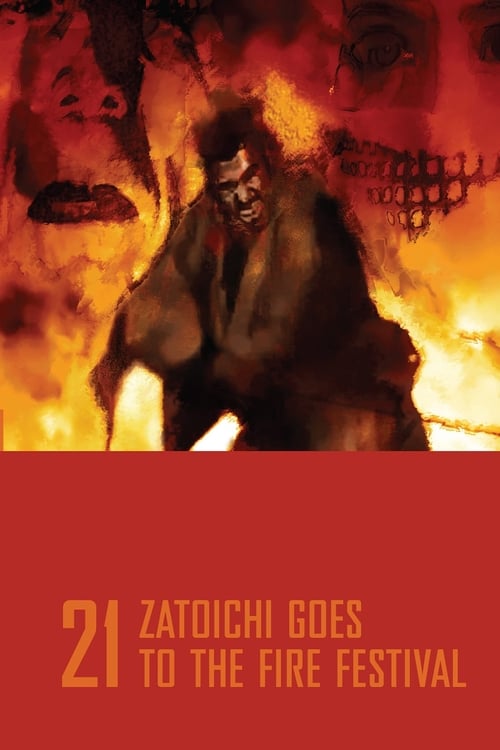
1970
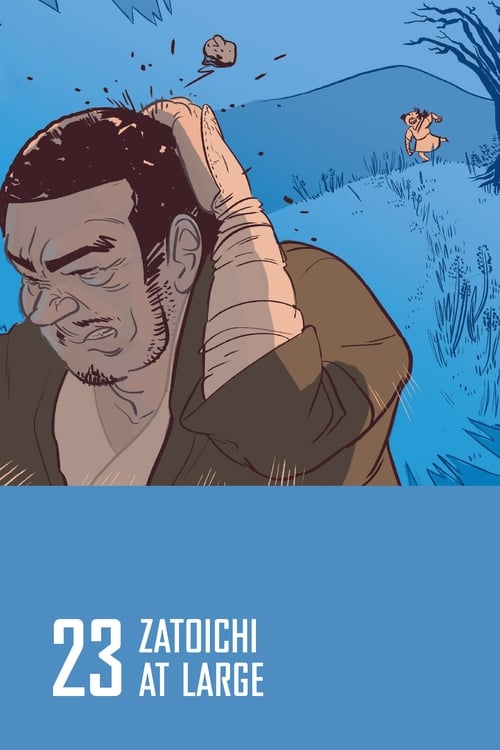
1972
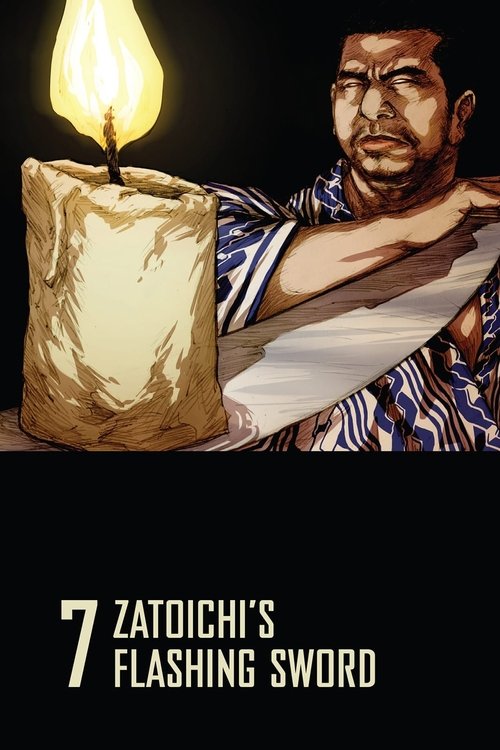
1964
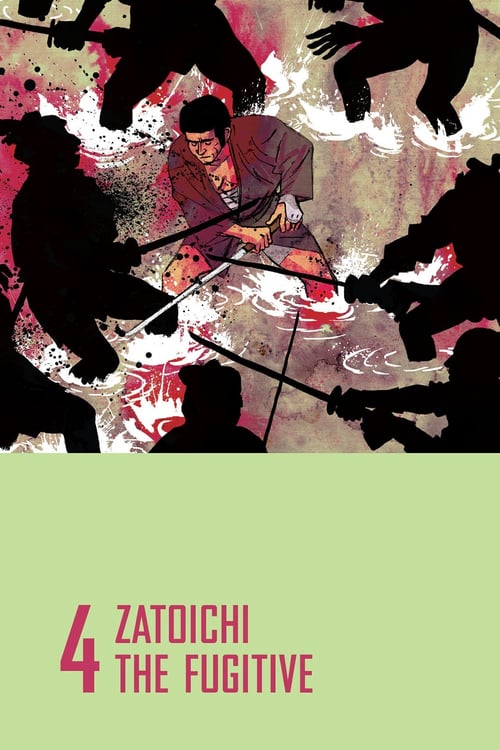
1963
No reviews yet. Be the first to share your thoughts on this movie!
Use the rating form above to leave a star rating and optional review.