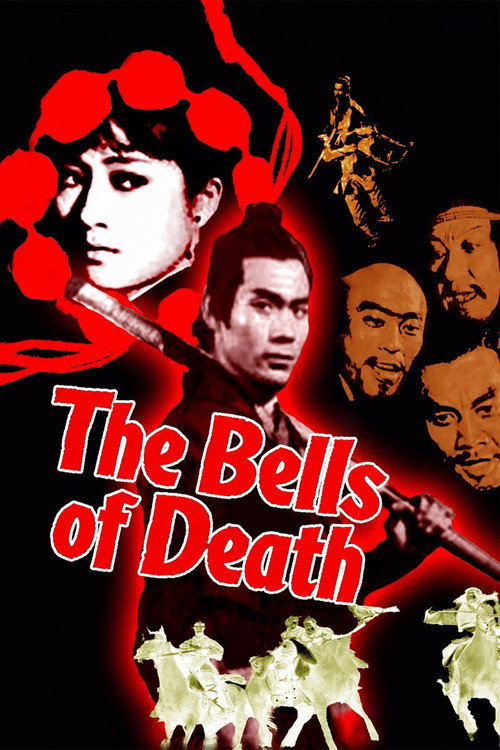
The Bells of Death
1968
No user ratings available yet
Representation score: 1.3 out of 10
Representation Score
Minimal
1980
RDirector
Kim Shi-hyeon, Godfrey Ho
Runtime
95 minutes
Average Rating
No ratings yetNew Showbiz Analysis
The film functions as a standard genre piece, relying heavily on established martial arts clichés and a traditional revenge-driven structure. It prioritizes archetypal storytelling over social complexity or the subversion of hierarchies. While the production offers a non-Western cultural perspective through its East Asian cast and production roots, the narrative remains narrow. It focuses on individual honor and familial duty rather than exploring broader multi-layered or systemic themes. Ultimately, the film adheres to the conventional gender and social dynamics typical of its era, offering limited diverse representation or modern social critique.
Category Breakdown
The film does not feature any characters or stories related to LGBTQ+ identities or non-assuming gender matches what was assigned at birth experiences. The plot revolves around a traditional revenge storyline focused on family loss.
The story centers on male archetypes, such as a wandering warrior and a ruthless bandit. The female character is portrayed as a passive figure in the conflict rather than an active participant.
As a Hong Kong production, the film features a predominantly East Asian cast. It provides a non-Western perspective but does not delve into multi-layered racial dynamics.
The narrative follows classic martial arts clichés and a cycle of vengeance. It emphasizes individual justice and familial honor over systemic or contemporary moral critiques.
There is no indication of characters dealing with physical, sensory, or neurodivergent disabilities within the film's context.
Present on Screen
Limited or Absent
Official Synopsis
Lee Lung witnessed the murder of his parents by the ruthless bandit Shek King who in turn abducted Lee's infant sister. Lee wanders the land and learns martial arts from a drunken master. Once his skills are perfected, Lee sets out in search of his long lost sister and the villain Shek King.
1968
1978

1980
1967
1980
1971
1973
1979
No reviews yet. Be the first to share your thoughts on this movie!
Use the rating form above to leave a star rating and optional review.