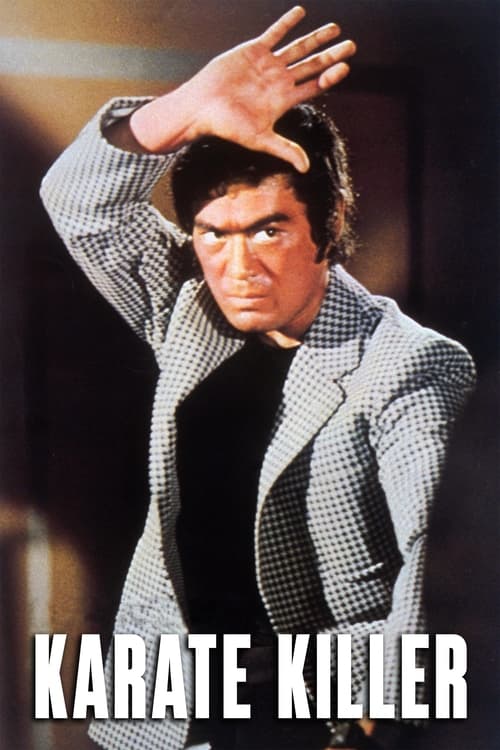
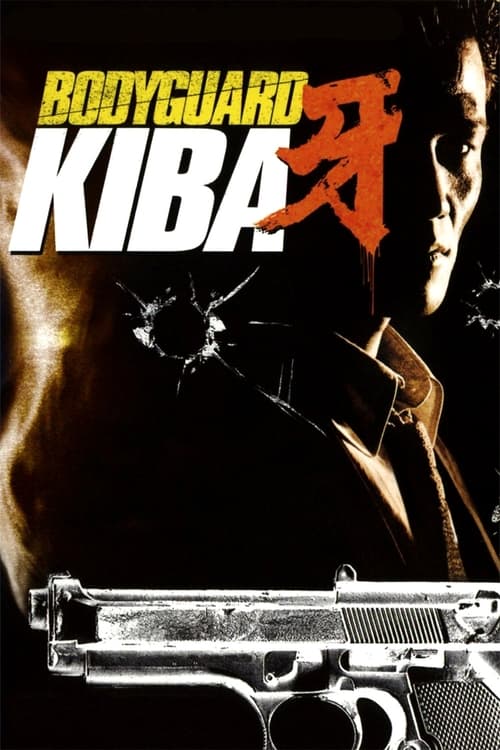
Bodyguard Kiba 2
1973
No user ratings available yet
Representation score: 3.4 out of 10
Representation Score
Fair
1993
Not RatedDirector
Takashi Miike
Runtime
93 minutes
Average Rating
No ratings yetNew Showbiz Analysis
Bodyguard Kiba is a genre-driven action film that leans heavily into traditional masculine clichés and criminal hierarchies. While it lacks diverse identity representation, it avoids being a purely homogeneous work by utilizing a specific regional setting. Takashi Miike’s reputation for challenging established norms suggests the film may subvert traditional power structures through its chaotic morality. The tension between the individual and the Soryu-kai syndicate provides a framework for critiquing institutional power. Ultimately, the film's diversity is found in its cultural specificity and its potential for narrative subversion rather than in explicit character representation.
Category Breakdown
The film does not include explicit LGBTQ+ characters or identities that challenge heterosexuality. The narrative emphasizes the transactional relationship between the protector and the embezzler.
The story centers on a male-dominated conflict involving gangsters and bodyguards. There is no immediate evidence of female roles or the subversion of traditional masculine archetypes.
The setting in Okinawa provides a distinct cultural backdrop. This regional focus suggests a nuanced exploration of identity beyond a monolithic portrayal of Japanese society.
The plot engages with themes of systemic corruption and subjective morality. It explores the tension between individual ability to act and the predatory power of criminal institutions.
There is no information regarding the inclusion or portrayal of characters with physical or neurodivergent disabilities.
Present on Screen
Limited or Absent
Official Synopsis
Naoto Kiba takes on the task of protecting thug Junpei who embezzled 500 million yen from Okinawa's largest gangster gangs, Soryu-kai.
1973
1974
2003

1990

2021

1995
1997
1970
No reviews yet. Be the first to share your thoughts on this movie!
Use the rating form above to leave a star rating and optional review.