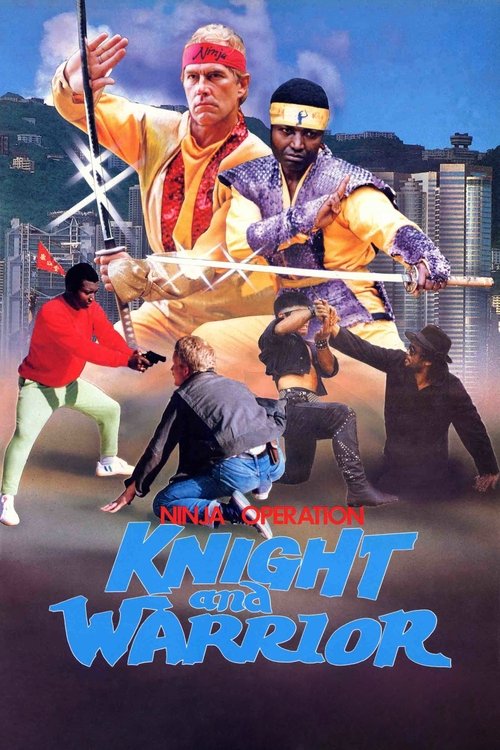
Ninja Operation: Knight and Warrior
1987
No user ratings available yet
Representation score: 2.0 out of 10
Representation Score
Limited
1985
Not RatedDirector
Robert Tai
Runtime
90 minutes
Average Rating
No ratings yetNew Showbiz Analysis
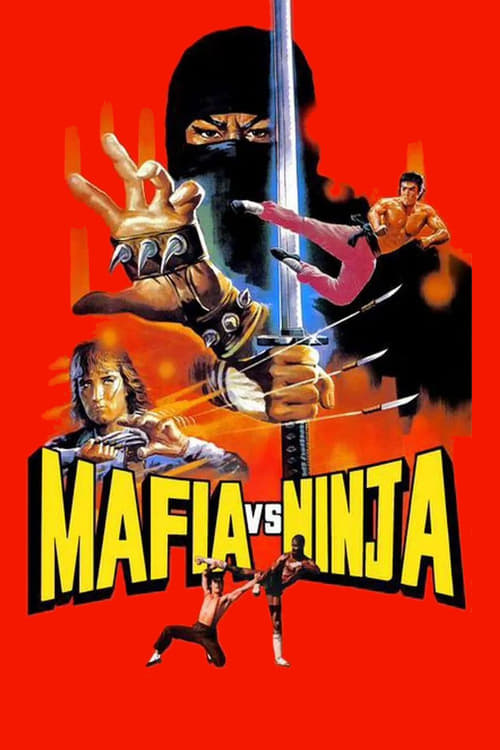
Mafia vs. Ninja is a genre-driven action piece that prioritizes the mechanics of a revenge quest. Its primary strength is its racial and ethnic centering, which moves the narrative focus away from Anglo-centric protagonists toward an international, East Asian-led conflict. However, the film adheres strictly to traditional male clichés. The narrative structure lacks multi-layered complexity and does not attempt to subvert established social hierarchies or explore underrepresented identities. Ultimately, the film functions as a kinetic action movie rather than a work of social commentary. It succeeds in providing non-Western ability to act but fails to offer diverse representation in gender or LGBTQ+ categories.
Category Breakdown
The film focuses on traditional masculine conflicts involving gang warfare and vengeance. There is no evidence of queer narratives or non-cisgender identities within the story.
The plot centers on male-driven roles, featuring sewage workers, gang bosses, and mercenaries. Leadership and conflict are defined through physical prowess within a traditional masculine hierarchy.
The narrative centers an international Asian gang conflict between Shanghai organizations and the Japanese Yakuza. This provides a platform for East Asian ability to act and cultural specificity.
The film explores themes of loyalty and vengeance through the internal politics of Asian syndicates. It follows a traditional honor and revenge arc common in genre cinema.
The available information does not mention characters navigating physical, neurodivergent, or mental health conditions. No assessment of disability ability to act is possible.
Present on Screen
Limited or Absent
Official Synopsis
Sewage workers Jack and Charlie get involved in an international Asian gang war when Jack helps the boss of a Shanghai gang against one of his rebellious underlings. This underling then strikes a deal with the Japanese Yakuza in the hopes of toppling his boss and become the leader of Shanghai himself. When the Yakuza assassinate the Shanghai boss, Jack pledges to avenge his new friend's death. As he seeks out those ultimately responsible, he does battle with a variety of ninjas and mercenaries from around the world.
1987
1974
1988
1972
1983
1980
1987
1995
No reviews yet. Be the first to share your thoughts on this movie!
Use the rating form above to leave a star rating and optional review.