Ping Pong
2002
No user ratings available yet
Diversity score: 2.4 out of 10
1976
PGDirector
Don Coscarelli
Runtime
90 minutes
Average Rating
No ratings yetSynopsis
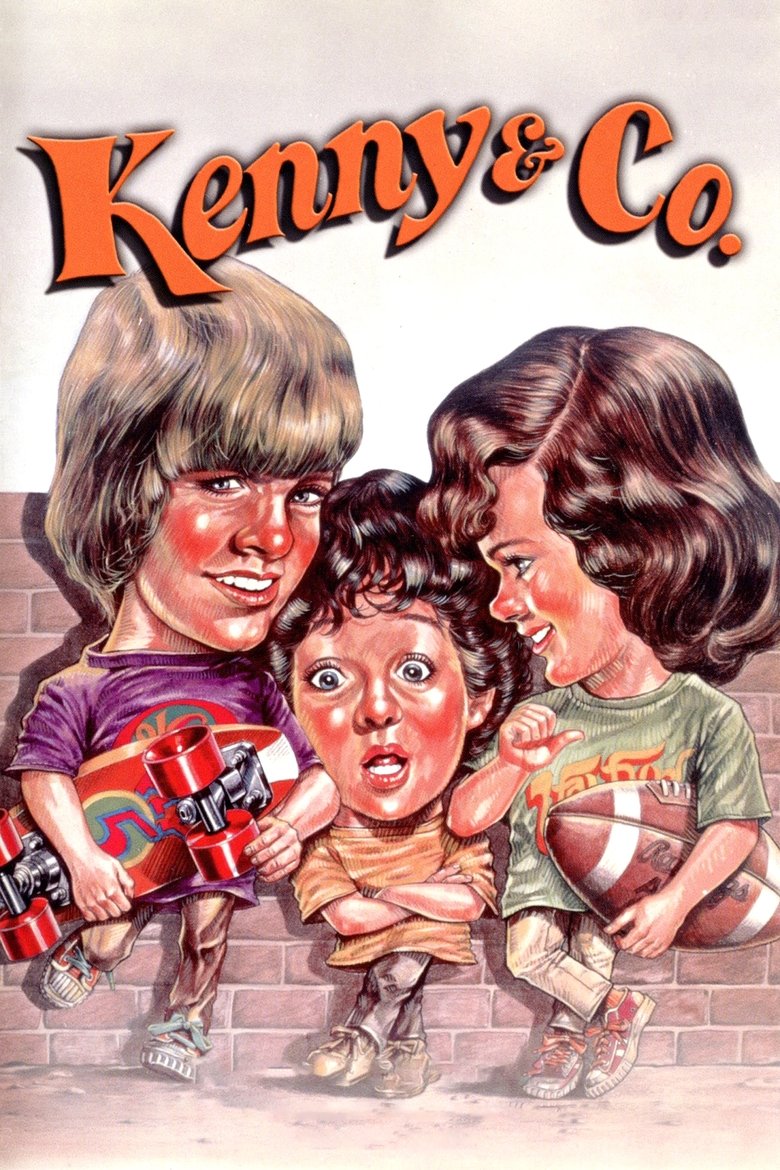
Several days in the life of Kenny, a typical 12-year-old, and his friends. Kenny goes through all the activities that most of us went through as kids as he and his friends prepare for Halloween. Along the way, Kenny deals with such childhood issues as bullies and his first crush on a girl.
Overall Score
Limited
Category Breakdown
LGBTQ+ Representation
The film focuses on adolescent boyhood and friendship. There is no evidence of non-cisnormative identities or narratives that critique heteronormativity.
Gender Representation
The story centers on a male protagonist and his male peers. This structure prioritizes traditional masculine social frameworks without subverting these hierarchies.
Racial & Ethnic Diversity
The narrative likely centers on a homogeneous social group typical of the era. There is no evidence of high-agency characters of color.
Religious & Cultural Diversity
The film follows traditional Western coming-of-age tropes. It lacks themes of systemic critique or the active promotion of religious dogma.
Disability Representation
No characters with visible or invisible disabilities are identified in the film's synopsis or credits.
Strengths
Areas for Improvement
AI Analysis
Kenny & Company is a conventional coming-of-age drama that adheres to the standard genre structures of mid-1970s independent cinema. The narrative focuses on the shared experiences of teenage boys during the lead-up to Halloween. Because the film centers on male adolescent friendship, it lacks engagement with intersectional identities or the disruption of social tropes. The representation remains within traditional, homogeneous boundaries common to the period. Ultimately, the film functions as a straightforward exploration of boyhood rather than a vehicle for social critique or diverse representation.
2002
1984
1976
1980

1969

1976

1976

2000
1948
1932

2018

1997
No reviews yet. Be the first to share your thoughts on this movie!
Use the rating form above to leave a star rating and optional review.