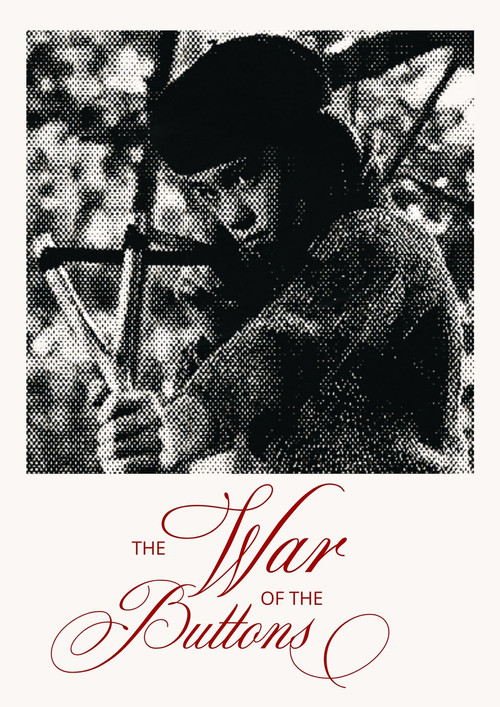
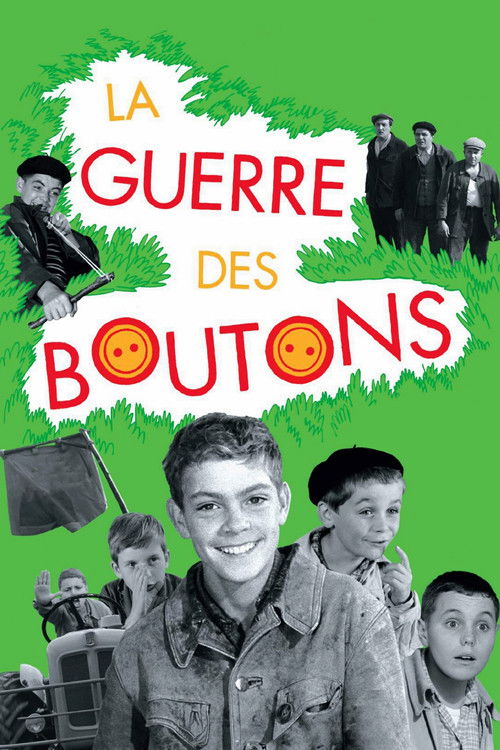
War of the Buttons
2011
No user ratings available yet
Representation score: 1.9 out of 10
Representation Score
Minimal
1962
Director
Yves Robert
Runtime
90 minutes
Average Rating
No ratings yetNew Showbiz Analysis
War of the Buttons is a period-specific character study that emphasizes a homogeneous, traditional social landscape. It captures the nuances of French provincial life through the lens of childhood autonomy and the tension between youth and adult authority. However, the film lacks multi-layered complexity. The narrative structure is based on traditional demographic and gendered foundations typical of mid-century European cinema, offering limited representation outside a specific, homogeneous group. While the film successfully portrays the social order of children, it does so within a framework that reinforces existing social hierarchies rather than challenging them.
Category Breakdown
The film focuses solely on the interactions among a group of boys, with no depiction of non-straight or non-cisgender identities or same-sex relationships.
The movie maintains a traditional gender hierarchy by limiting the roles of female characters to the sidelines. The central conflict occurs in an exclusively male environment that reinforces masculine stereotypes.
Set in a rural, early 20th-century French setting, the film portrays a homogeneous population. The casting reflects the historical demographics of the period without highlighting diverse ethnic backgrounds.
The story examines the tension between children's autonomy and strict adult authority, challenging the idealized nuclear family structure through depictions of parental discipline.
There are no prominent depictions of visible or invisible disabilities. Characters with disabilities do not play a central role in the plot.
Present on Screen
Limited or Absent
Official Synopsis
For generations, two rival French villages, Longueverne and Velrans, have been at war. But this is no ordinary conflict, for the on-going hostilities are between two armies of young schoolboys. When he is beaten by his father for having lost his buttons, the leader of the Longueverne army, Lebrac, has an idea which will give his side the advantage: next time, he and his brave soldiers will go in battle without their clothes...
2011

1994

2003
1961
1955

2011
1993
1984
No reviews yet. Be the first to share your thoughts on this movie!
Use the rating form above to leave a star rating and optional review.