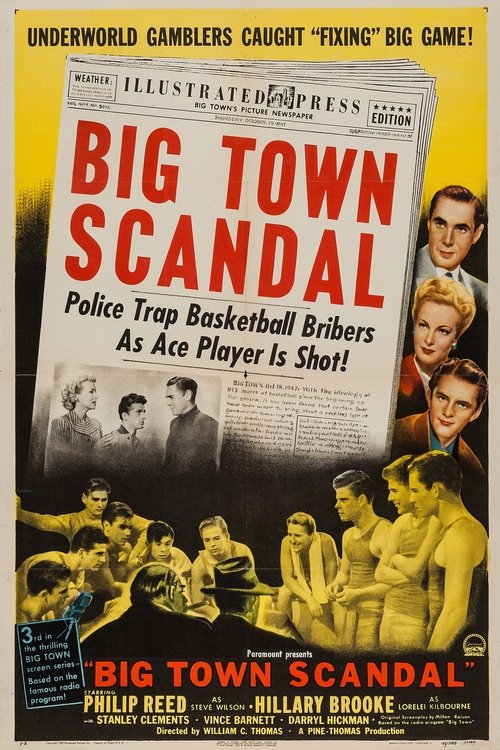
Big Town Scandal
1948
No user ratings available yet
Representation score: 2.1 out of 10
Representation Score
Limited
1946
NRDirector
William C. Thomas
Runtime
60 minutes
Average Rating
No ratings yetNew Showbiz Analysis
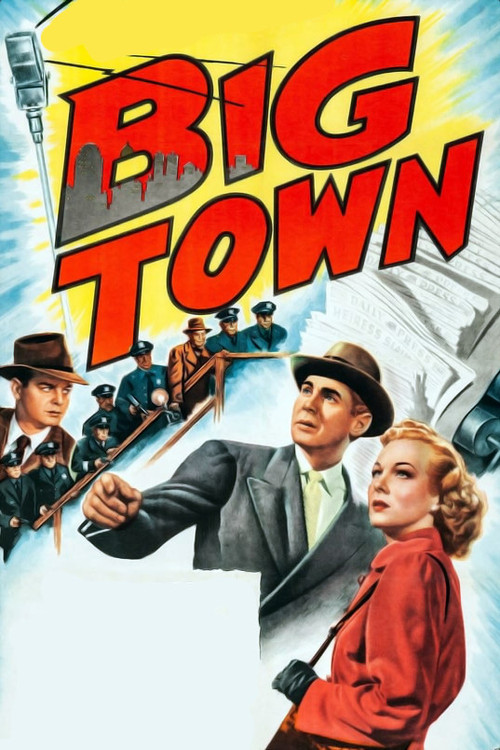
Big Town is a standard mid-century crime drama that operates strictly within the established cinematic norms of 1946. The narrative focuses on a traditional crusader archetype, emphasizing individual morality and the restoration of social order through a newspaper editor's campaign. Due to the constraints of the Hays Code, the film lacks intentional subversion of social hierarchies. The production prioritizes genre efficiency and the reinforcement of existing authority structures rather than exploring diverse perspectives. Ultimately, the film reflects post-war social constraints, offering a homogeneous view of society that aligns with the era's typical demographic and cultural expectations.
Category Breakdown
The film adheres to the strict straight-centered standards of the 1940s Hays Code. It does not depict any non-straight relationships or same-sex intimacy.
The story centers on male leadership and features female characters primarily in supporting or domestic roles. Women play a limited role in driving the main plot.
The film reflects the demographic homogeneity of mid-1940s Hollywood. The narrative follows a conventional Anglo-Saxon social framework without diverse casting.
The anti-crime premise supports traditional Western institutions and civic order. The narrative prioritizes protecting the status quo over critiquing systemic power.
There is no evidence of characters with disabilities portrayed with ability to act. In this era of crime cinema, disability often served as a plot device rather than a nuanced exploration.
Present on Screen
Limited or Absent
Official Synopsis
A newspaper editor goes on an anti-crime crusade, but gets carried away.
1948
1952
1939
1947

1952
1946

1939
1941
No reviews yet. Be the first to share your thoughts on this movie!
Use the rating form above to leave a star rating and optional review.