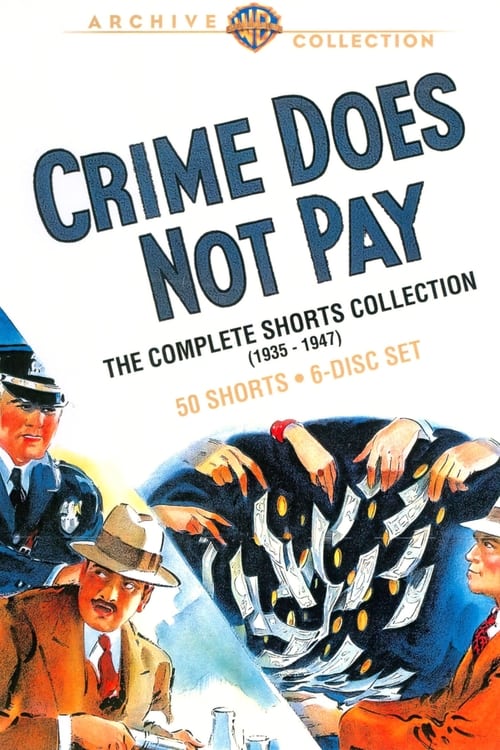
It May Happen to You
1937
No user ratings available yet
Representation score: 0.4 out of 10
Representation Score
Minimal
1937
ApprovedDirector
Harold S. Bucquet
Runtime
16 minutes
Average Rating
No ratings yetNew Showbiz Analysis
Soak the Poor is a typical 1930s crime procedural that upholds established economic institutions. The narrative structure reinforces existing social orders and moral certainties without challenging them. The film follows the period's standard demographic and gendered clichés. It focuses on male-driven conflict, centering the story on law enforcement and racketeers while offering minimal representation of diverse identities. Ultimately, the work serves as a genre piece designed to maintain the sanctity of commerce and state authority. It reflects the rigid studio mandates and social hierarchies of the Golden Age of Hollywood.
Category Breakdown
The film does not include any LGBTQ+ characters or representations of non-straight relationships. The story revolves around traditional social structures and conflicts.
Men play prominent roles as protagonists and antagonists. Women likely have limited roles, confined to domestic or victimized situations within the grocery and relief ticket settings.
The film features a predominantly white cast, reflecting the era's preference for homogeneous representation. The story centers on a white, Anglo-Saxon middle-class experience.
The film supports the legitimacy of state authority and capitalism. It upholds traditional moral and economic institutions through a conventional narrative.
There are no characters with visible or invisible disabilities mentioned in the film. No specific details are available to assess this category.
Present on Screen
Limited or Absent
Official Synopsis
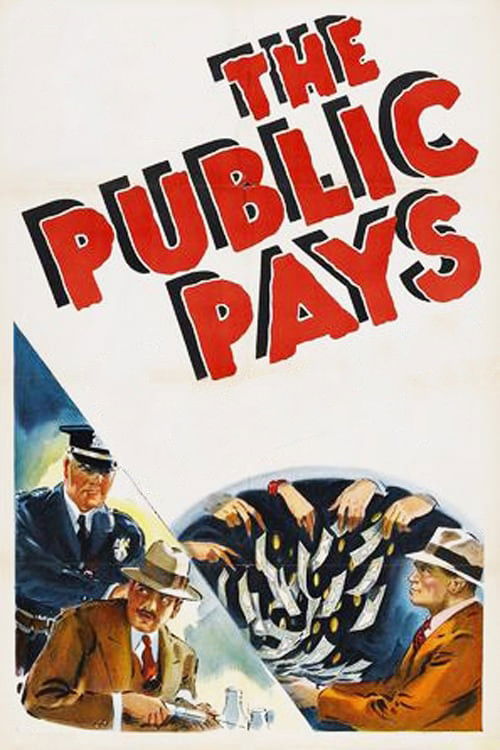
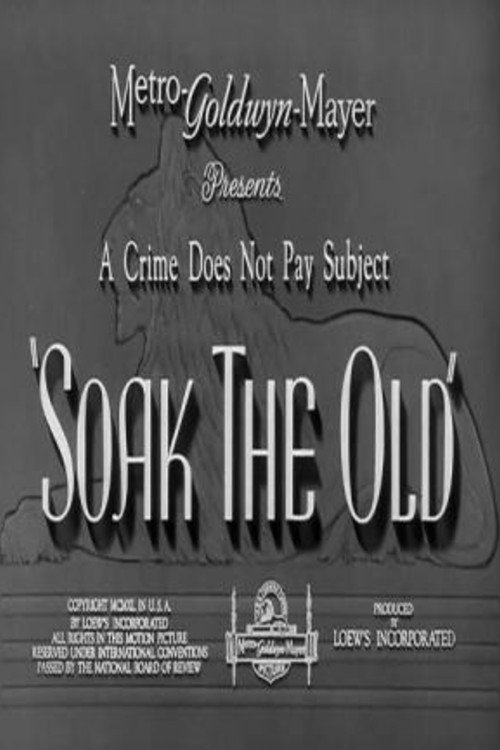
This entry in MGM's "Crime Does Not Pay" series deals with racketeers shaking down small grocers and horning in on the relief tickets, forcing prices up with the consumers paying the freight.
1937
1933
1941
1936
1940
1940
1937
1940
No reviews yet. Be the first to share your thoughts on this movie!
Use the rating form above to leave a star rating and optional review.