Each Dawn I Die
1939
No user ratings available yet
Representation score: 0.8 out of 10
Representation Score
Fair
1947
NRDirector
William C. Thomas
Runtime
69 minutes
Average Rating
No ratings yetNew Showbiz Analysis
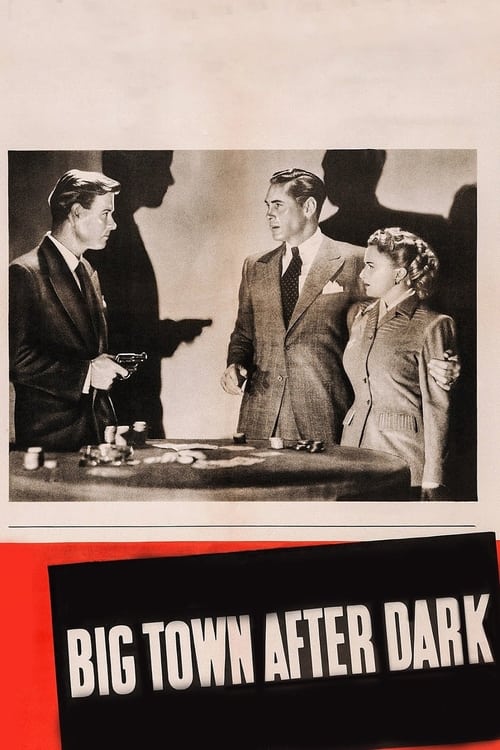
Big Town After Dark is a product of the 1940s studio system, focusing on conventional crime drama clichés over social critique. The narrative centers on a male protagonist battling gambling interests, reinforcing mid-century gender hierarchies and civic duty ideals. The film lacks complexity in representing diverse identities, adhering to typical demographic presentations and social norms of the time. It serves as a straightforward morality play without questioning systemic issues. Overall, the film reflects the limited social representation and strict censorship standards of its era, offering little disruption to established social hierarchies.
Category Breakdown
The film does not include any characters with non-traditional gender identities, reflecting the strict censorship standards of the 1940s.
The story focuses on a male reporter, with female characters likely playing supporting or romantic roles typical of mid-century crime dramas.
The film does not indicate any actively leading characters of color, sticking to the homogeneous casting common in crime dramas of the era.
The narrative follows a traditional morality play about corruption and justice, reinforcing established social orders without challenging systemic issues.
There are no characters with disabilities shown taking significant actions, often relegated to minor plot devices or melodrama in this era.
Present on Screen
Limited or Absent
Official Synopsis
A crusading newspaper reporter battles big-city gambling interests.
1939
1946
1957
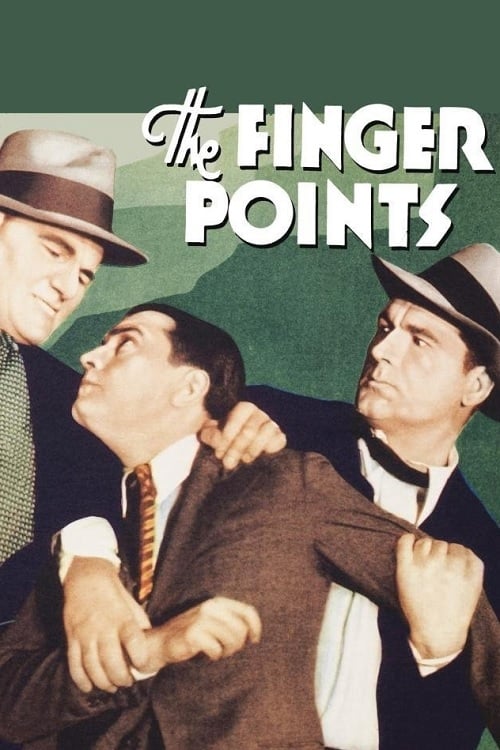
1931
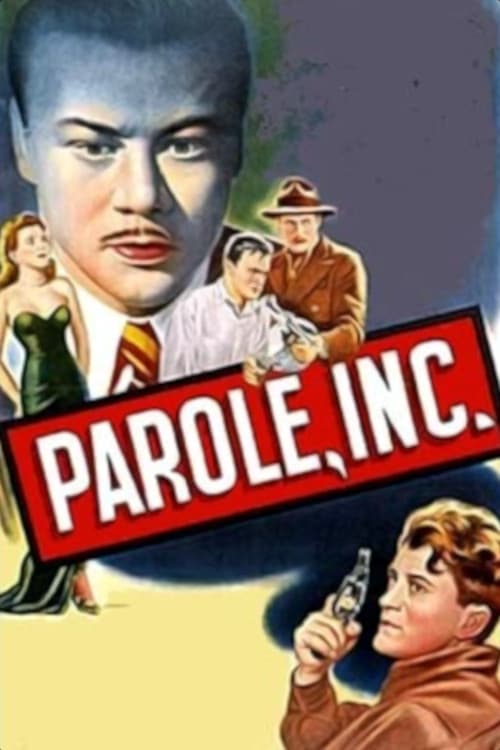
1948

1937
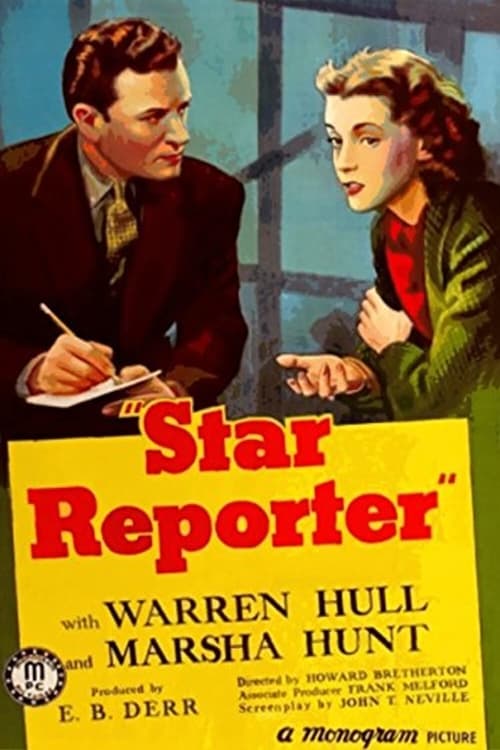
1939
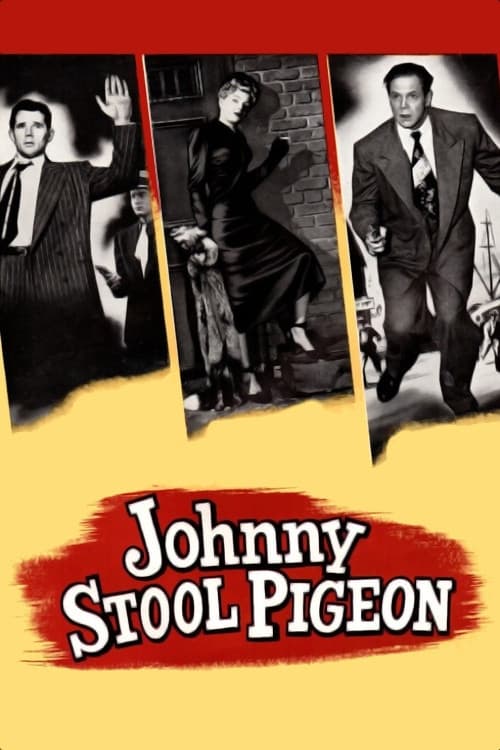
1949
No reviews yet. Be the first to share your thoughts on this movie!
Use the rating form above to leave a star rating and optional review.