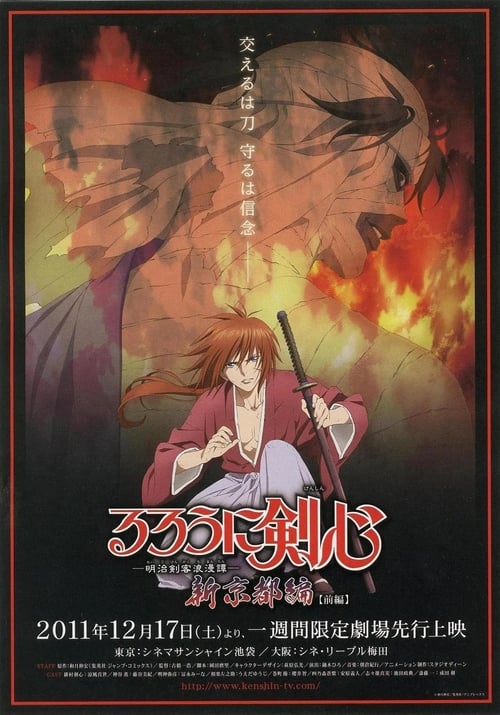
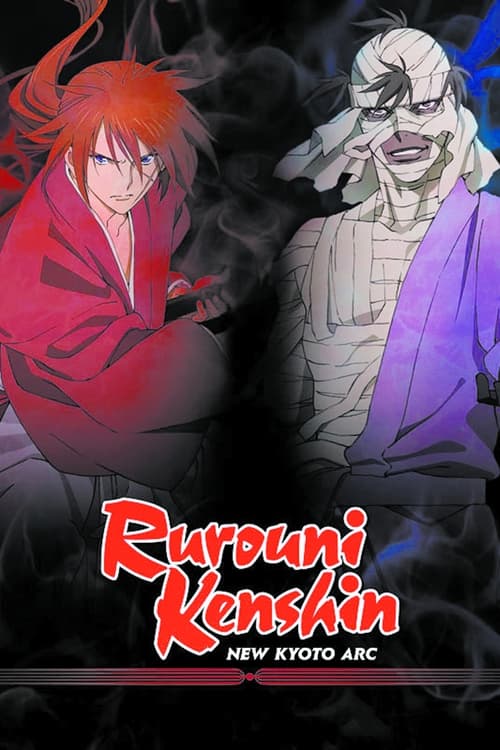
Rurouni Kenshin: New Kyoto Arc: Cage of Flames
2011
No user ratings available yet
Representation score: 8.0 out of 10
Representation Score
Good
2012
Not RatedDirector
Kazuhiro Furuhashi
Runtime
46 minutes
Average Rating
No ratings yetNew Showbiz Analysis
The film is a high-tension historical drama that prioritizes political and martial conflict over contemporary identity issues. It effectively deconstructs traditional authority and explores moral ambiguity within a historical context. While the ethnic makeup of the cast is uniform, the narrative provides depth through its examination of systemic challenges to the state. Female characters in combat roles offer a departure from traditional feminine roles, despite the overall masculine power dynamics. Overall, the work emphasizes complex character development and situational ethics rather than direct representation of underrepresented identities. It offers a progressive approach to historical storytelling through its focus on institutional critique.
Category Breakdown
The film emphasizes martial conflict and political upheaval rather than focusing on diverse gender identities. There are no clear representations of same-sex relationships or challenges to the assumption that everyone is straight.
Women like Misao play significant roles through high-stakes combat. While women engage in defensive operations, the main storyline centers on masculine power dynamics.
The cast is ethnically uniform, reflecting the historical context of Meiji-era Japan. The narrative focuses on internal social structures rather than multi-ethnic representation.
The story examines the breakdown of traditional institutions and the Meiji government. It explores moral ambiguity by questioning the boundaries between justice and vengeance.
Characters face physical scars and trauma, but there is no clear indication of characters with disabilities playing key roles in the plot.
Present on Screen
Limited or Absent
Official Synopsis
Shishio's plan is enacted while Kenshin and Misao help defend the city.
2011
1997

2008

2014
2013
2000
2019
2012
No reviews yet. Be the first to share your thoughts on this movie!
Use the rating form above to leave a star rating and optional review.