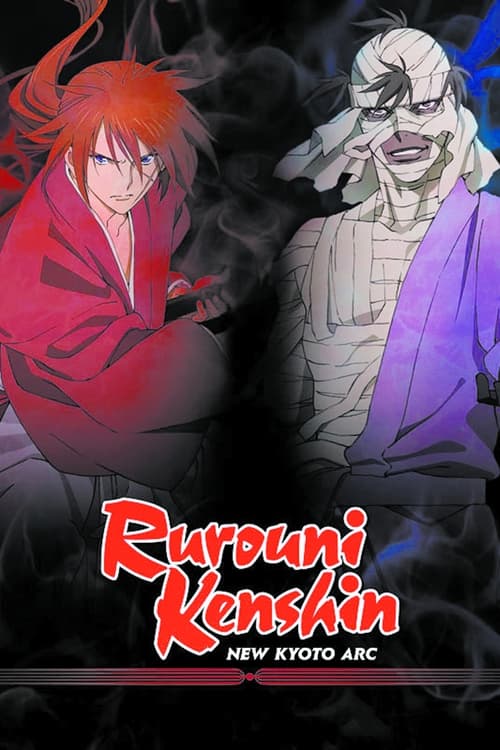
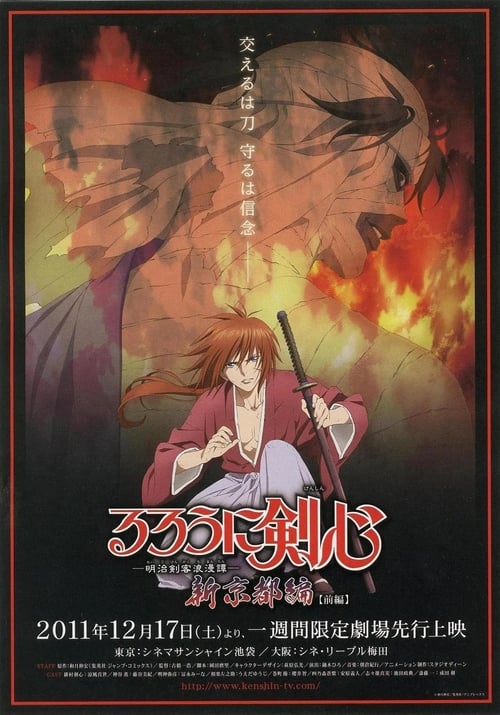
Rurouni Kenshin: New Kyoto Arc: The Chirps of Light
2012
No user ratings available yet
Representation score: 7.4 out of 10
Representation Score
Excellent
2011
Not RatedDirector
Kazuhiro Furuhashi
Runtime
46 minutes
Average Rating
No ratings yetNew Showbiz Analysis
The film disrupts traditional gender hierarchies by focusing on a highly capable female protagonist, Misao Makimachi. She stands out as a skilled ninja, challenging the stereotype of passive women in combat scenarios. Despite the historical setting requiring an ethnically homogeneous cast, the narrative retains cultural authenticity by avoiding whitewashing. It centers on internal social dynamics and the nuanced ethical dilemmas of the Meiji era. The film's exploration of disability and LGBTQ+ identities is limited. It focuses more on the psychological impact of violence and intense friendships rather than explicit identity-based narratives.
Category Breakdown
The film highlights strong emotional connections that sometimes cross traditional gender boundaries. However, it does not explicitly show non-traditional gender identities or same-sex relationships.
Misao Makimachi plays a key role in driving the plot, showing high combat skills and taking control of her destiny. Her portrayal challenges the stereotype of passive women in action roles.
The cast is made up of actors from a similar ethnic background, reflecting the historical Meiji era setting. The story stays true to its cultural roots without whitewashing the Japanese context.
The storyline delves into subjective morality through conflicts with the Meiji government. It uses social Darwinism to criticize power structures and traditional institutions.
Characters face the psychological trauma and hidden wounds from combat. These mental health issues drive their motivations but are not explored as disabilities themselves.
Present on Screen
Limited or Absent
Official Synopsis
Although she's only sixteen and looks even younger, Misao Makimachi is already a skilled and competent member of the Oniwabanshu ninja clan. That's fortunate for Misao, because her onimitsu talents may be all that keeps her alive when a journey in search of the leader of the clan, Aoshi Shinomori, leads her instead into a face-to-face encounter with an even more dangerous man and a plot to overthrow the Meiji government! Quickly enmeshed in the affairs of the legendary assassin Hitokiri Battosai, now known as Kenshin Himura, wielder of the reverse-blade sword, Misao finds herself pulled into the middle of a deadly intrigue against Makoto Shishio, who is orchestrating the conquest of all Japan - beginning with Kyoto!
2012
1997
2014
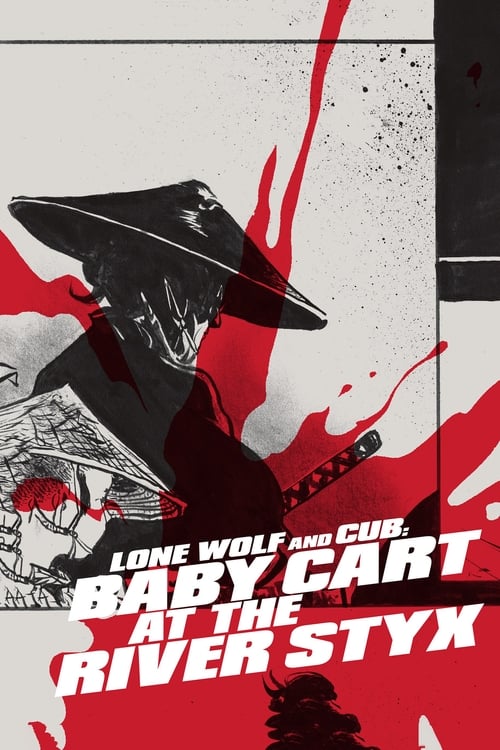
1972
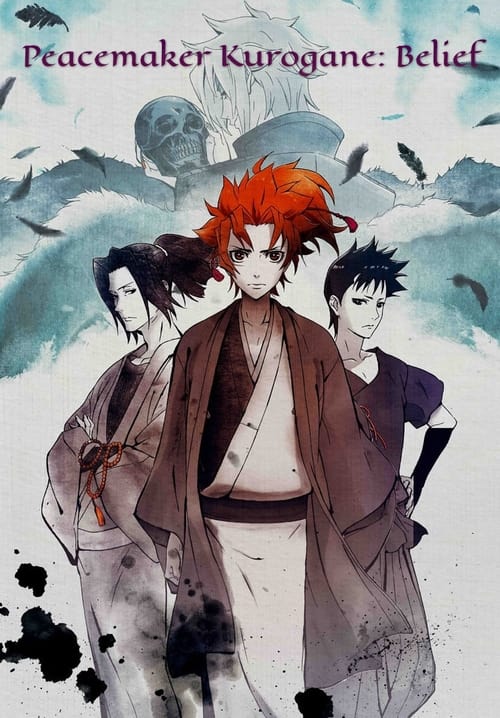
2018

2014
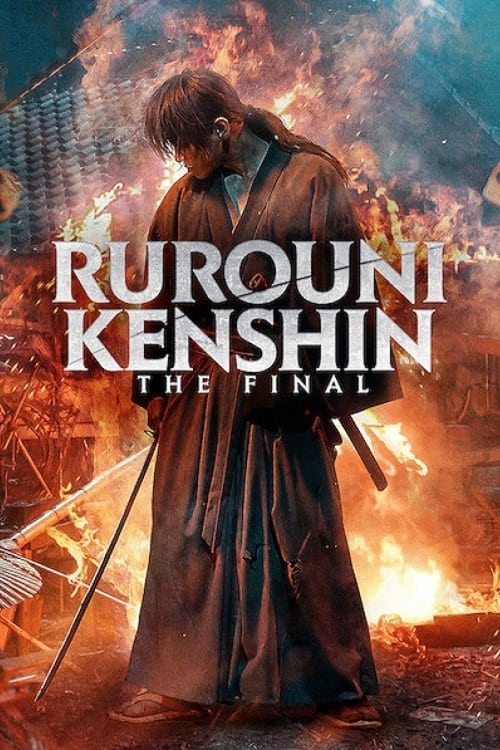
2021
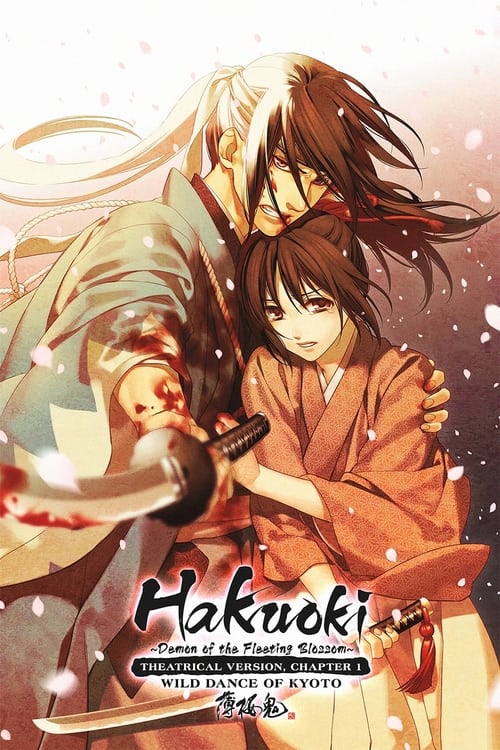
2013
No reviews yet. Be the first to share your thoughts on this movie!
Use the rating form above to leave a star rating and optional review.