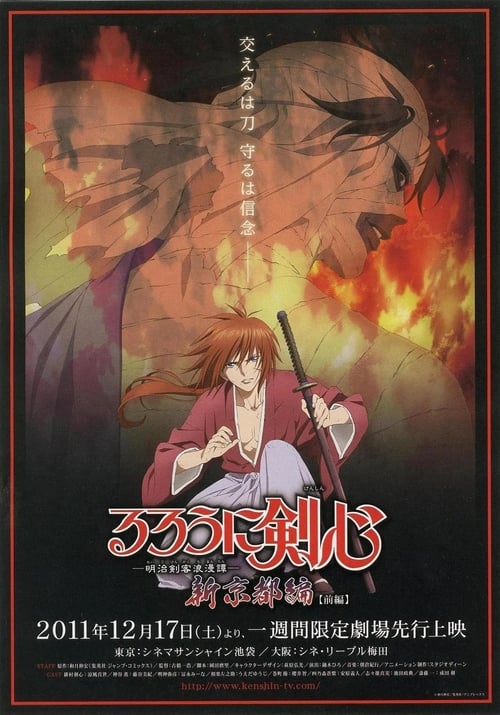
Rurouni Kenshin: New Kyoto Arc: Cage of Flames
2011
No user ratings available yet
Representation score: 8.0 out of 10
Representation Score
Good
2013
Director
Osamu Yamasaki
Runtime
95 minutes
Average Rating
No ratings yetNew Showbiz Analysis
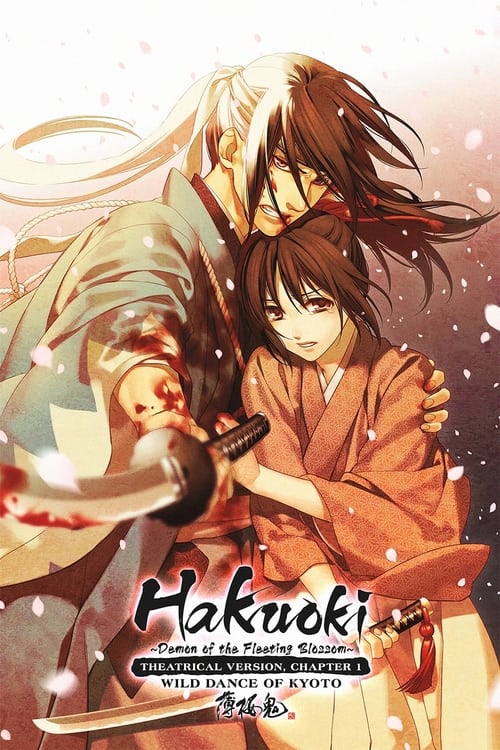
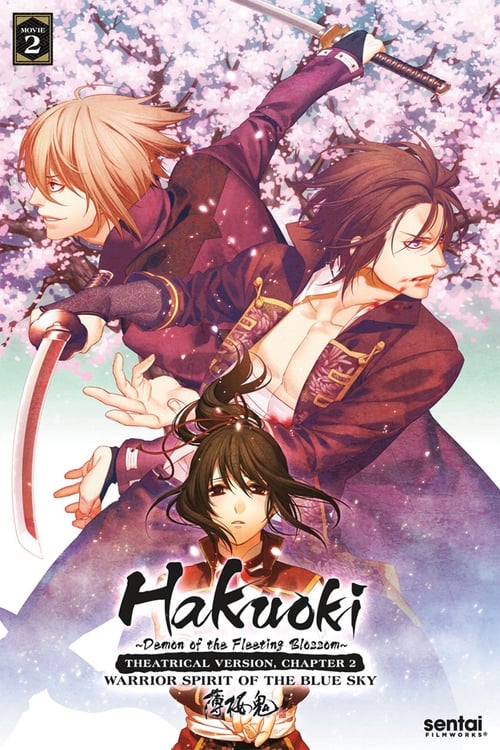
Hakuouki: Wild Dance of Kyoto offers a nuanced character study that prioritizes female empowerment within a historically male-dominated landscape. By centering Chizuru Yukimura, the film challenges rigid gender hierarchies and provides a unique perspective on the Bakumatsu era. While the film lacks modern diversity regarding race and explicit LGBTQ+ identities, it excels in exploring moral relativism. The supernatural elements serve as metaphors for the loss of humanity, adding depth to the character-driven drama. Ultimately, the film succeeds as a genre-specific piece that deconstructs absolute authority and explores the complexities of human connection through stylized, emotional storytelling.
Category Breakdown
The film highlights strong, stylized emotional bonds between male characters, suggesting a departure from the assumption that everyone is straight or cisgender. However, these connections remain subtle and do not explicitly confirm queer identities.
Chizuru Yukimura challenges traditional gender roles by using a disguise to navigate a wartime environment dominated by men. Her quest drives the plot, giving her a leading role that subverts the passive damsel cliché.
Set during the Bakumatsu era, the cast is ethnically uniform to reflect historical realities. The narrative focuses on internal group dynamics rather than external racial conflict or overlapping identities.
The story examines moral ambiguity through the Shinsengumi and the vampiric Rasetsu. It prioritizes personal ethics and the corruption of power over the absolute morality of the Shogunate.
The Rasetsu warriors introduce themes of physical transformation and being 'othered.' These supernatural traits provide a framework for exploring characters who exist on the margins of normal human society.
Present on Screen
Limited or Absent
Official Synopsis
There's a war going on in ancient Kyoto. A war fought in shadows, between the forces of the Shogunate's armed enforcers, the Shinsengumi, and the vampire-like Ronin warriors known as the Rasetsu or Furies. And trapped in the middle is a young woman disguised as a man. Seeking her missing father, Chizuru Yukimura comes to Kyoto only to find her fate forever intertwined with the destinies of Shinsengumi Vice commander Toshizo Hijikata and his elite force of swordsmen. Because Chizuru's father has created a secret elixir that enhances the user's strength, speed and healing, and the furies will do anything and kill anyone in order to control that power!
2011
1997
2012
2016
2014
2009
2018
2017
No reviews yet. Be the first to share your thoughts on this movie!
Use the rating form above to leave a star rating and optional review.