The Mating Season
1951
No user ratings available yet
Representation score: 1.2 out of 10
Representation Score
Minimal
1945
ApprovedDirector
Sam Wood
Runtime
90 minutes
Average Rating
No ratings yetNew Showbiz Analysis
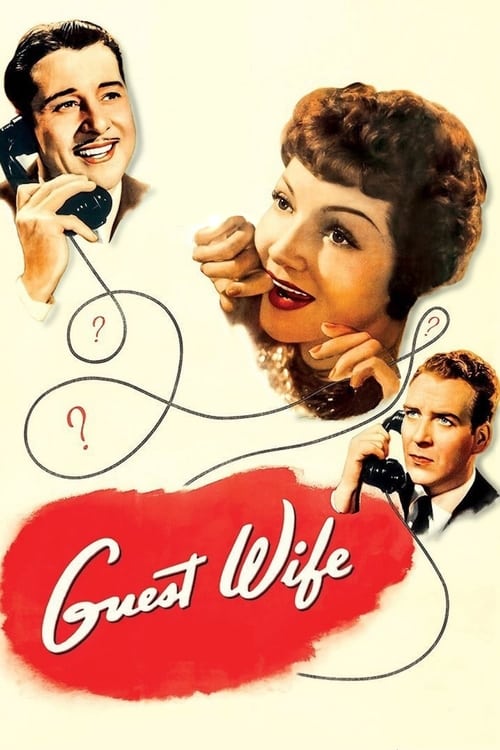
Guest Wife is a classic studio-era romantic comedy that aligns with the conservative social hierarchies of the 1940s. The plot revolves around conventional domestic conflicts and managing male egos, offering little in the way of systemic critique or multi-layered representation. While the film lacks diversity in terms of race and sexual orientation, it does provide a slight challenge to gender clichés. The female protagonist uses tactical manipulation to navigate the central conflict, moving beyond a purely passive role. Overall, the film serves as a period piece that reflects the homogeneous casting and social values of its time, prioritizing traditional Western social structures and reputation.
Category Breakdown
The film focuses on a traditional heterosexual love triangle. There are no representations of LGBTQ+ identities or critiques of the assumption that everyone is straight.
Mary uses deception to teach the men a lesson, showing she plays a significant role in driving the story. However, her power is limited to the home and traditional marital roles.
The setting reflects mid-century American social norms. The narrative emphasizes Anglo-Saxon archetypes typical of 1945 Hollywood.
The story upholds Western social institutions such as marriage and reputation. It functions as a conventional comedy that maintains existing social decorum.
There is no information regarding the depiction of physical or neurodivergent characters.
Present on Screen
Limited or Absent
Official Synopsis
Christopher Price, a small-town bank executive, continues to be loyal to and idolize his boyhood friend, Joseph Jefferson Parker, a famous war correspondent. But Chris's wife, Mary, is none to fond of Joe and tired of her husband's idolizing. On the eve of the Price's second-honeymoon trip to New York City, Joe arrives and tells Chris that he needs someone to pose as his wife in order to fool his boss in NYC, who thinks Joe got married to an overseas woman while on an assignment. Chris pushes Mary into posing as Joe's wife. In New York, this leads to many complications and misunderstandings, with Mary finally deciding to teach Chris and Joe a lesson by making them believe she is in love with Joe.
1951
1948
1941

1942
1939
1944

1947

1940
No reviews yet. Be the first to share your thoughts on this movie!
Use the rating form above to leave a star rating and optional review.