
The Tunnel of Love
1958
No user ratings available yet
Representation score: 0.5 out of 10
Representation Score
Minimal
1967
NRDirector
Gene Kelly
Runtime
89 minutes
Average Rating
No ratings yetNew Showbiz Analysis
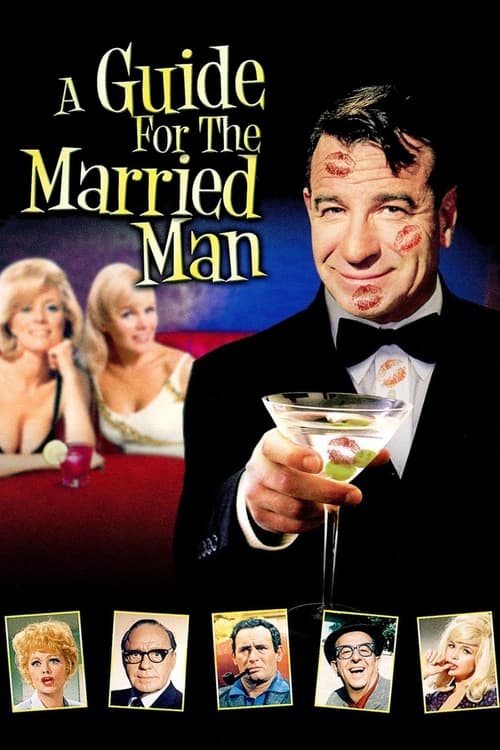
A Guide for the Married Man is a quintessential product of its time, emphasizing mid-century social norms over broader social critique. The film's main focus is the tension between societal expectations and personal desires, particularly concerning infidelity. While the film offers a subtle departure from rigid religious morality by examining situational ethics and moral relativism, it remains firmly rooted in traditional hierarchies. The narrative structure reinforces a patriarchal viewpoint, centering male desire and control. Ultimately, the film lacks depth in representing diverse identities, presenting a homogeneous social framework without significant racial, LGBTQ+, or disability representation.
Category Breakdown
The film adheres to a strictly heterosexual and cisgender framework, focusing solely on traditional male-female relationships and marital infidelity without depicting same-sex relationships or non-cisgender identities.
The story centers around a male protagonist, portraying domestic life as entrapment. Women are often portrayed as objects of temptation or catalysts for male action rather than as independent characters with their own choices.
The cast primarily consists of white characters representing a mid-century urban middle class. There is no significant racial diversity or characters of color with substantial roles in the narrative.
The film examines moral relativism by treating infidelity as a strategic choice rather than a sin. It questions rigid Christian morality through situational ethics without directly criticizing Western institutions.
There are no characters with visible or invisible disabilities in the film. Disability is not used as a narrative device.
Present on Screen
Limited or Absent
Official Synopsis
A man gives his friend a series of lessons on how to cheat on one's wife without being caught.
1958
1976

1984
1948

1973

1958

1965

1952
No reviews yet. Be the first to share your thoughts on this movie!
Use the rating form above to leave a star rating and optional review.