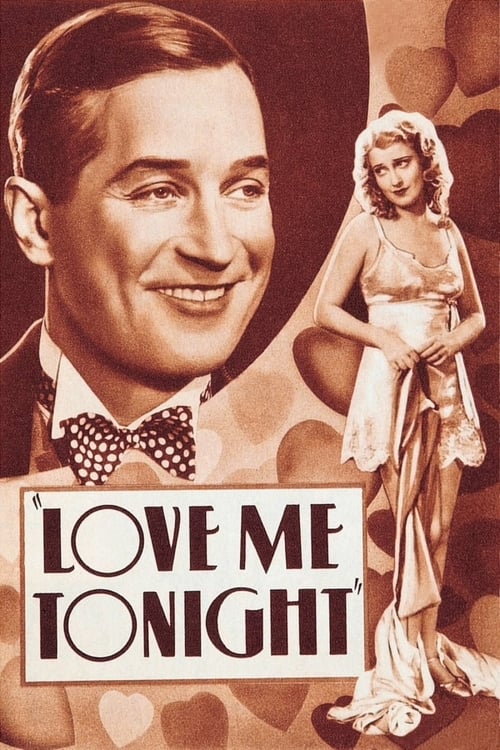
Love Me Tonight
1932
No user ratings available yet
Representation score: 1.1 out of 10
Representation Score
Minimal
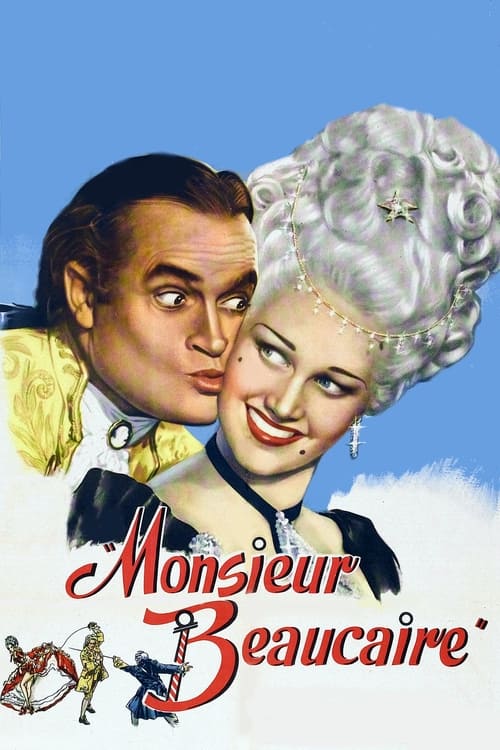
1946
NRDirector
George Marshall
Runtime
93 minutes
Average Rating
No ratings yetNew Showbiz Analysis
Monsieur Beaucaire is a classic example of a 1946 Hollywood production, relying on established social hierarchies and traditional narrative structures common to mid-century mainstream comedies. The protagonist's bumbling nature provides a minor comedic disruption of masculine competence, but the film does not significantly challenge traditional societal norms. It focuses on Eurocentric aristocracy and straight-centered romance, reinforcing the status quo of its time.
Category Breakdown
The film follows a typical heterosexual storyline and does not include any representations of non-binary gender identities or same-sex relationships.
The female lead serves a decorative role in a romantic subplot. Although the protagonist's incompetence momentarily challenges traditional masculine competence, the overall structure reinforces traditional gender hierarchies.
The cast is predominantly white, depicting an 18th-century French aristocracy without any visible racial or ethnic diversity.
The film focuses on traditional Western social structures and class pretensions, reinforcing the stability of the existing social order through escapist comedy.
The film does not depict any visible or invisible disabilities. Characters are portrayed using standard comedic archetypes without addressing neurodivergence or physical conditions.
Present on Screen
Limited or Absent
Official Synopsis
A bumbling barber in the court of King Louis XV becomes engaged in political intrigue when he masquerades as a dashing nobleman engaged to the princess of Spain.
1932
1926
1958
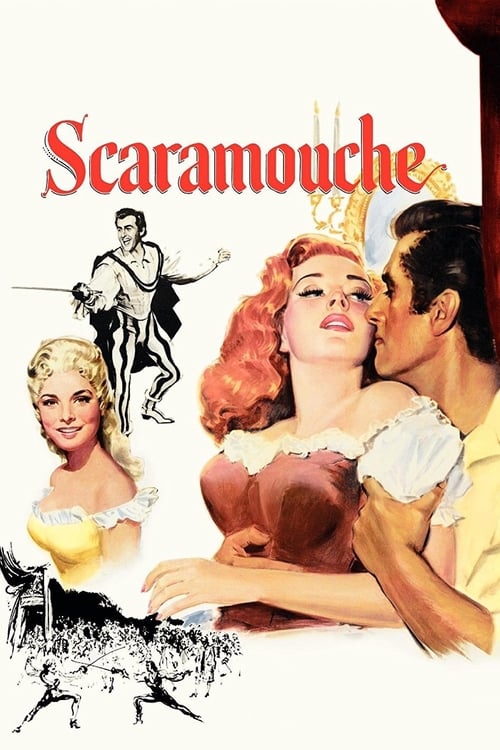
1952

1926
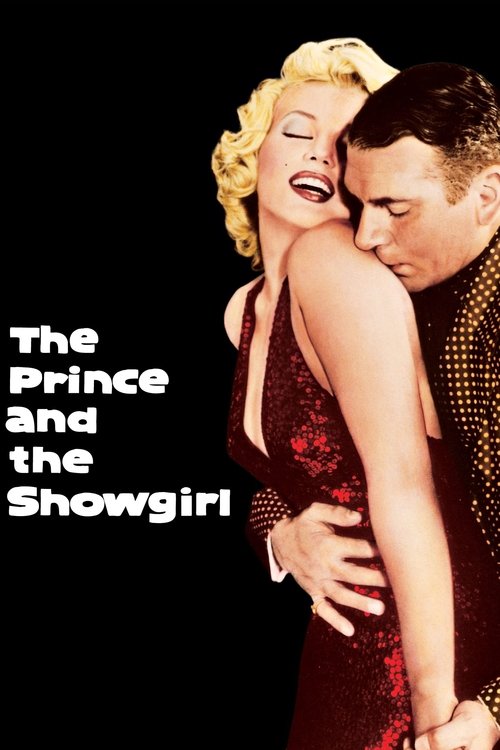
1957
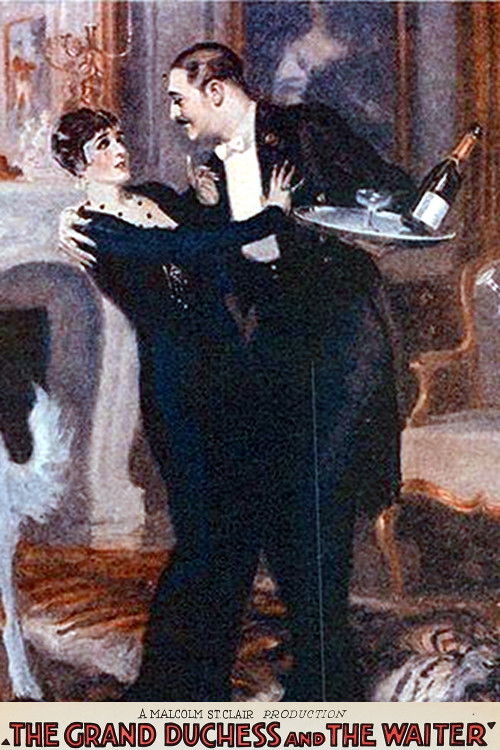
1926
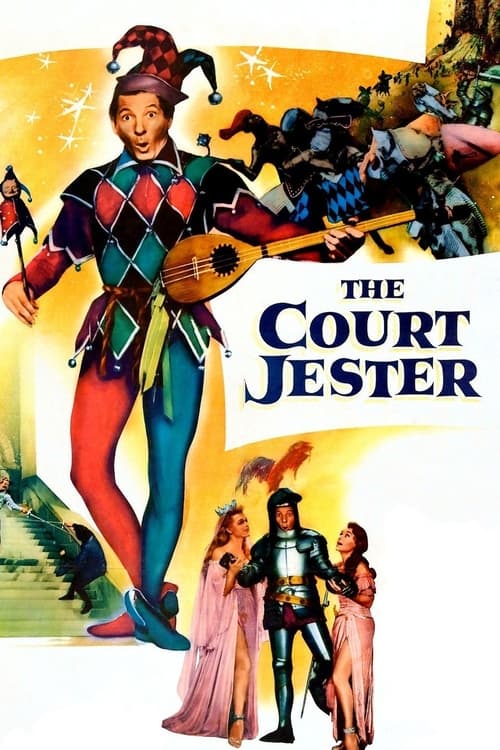
1955
No reviews yet. Be the first to share your thoughts on this movie!
Use the rating form above to leave a star rating and optional review.