The Lady from Cheyenne
1941
No user ratings available yet
Representation score: 2.2 out of 10
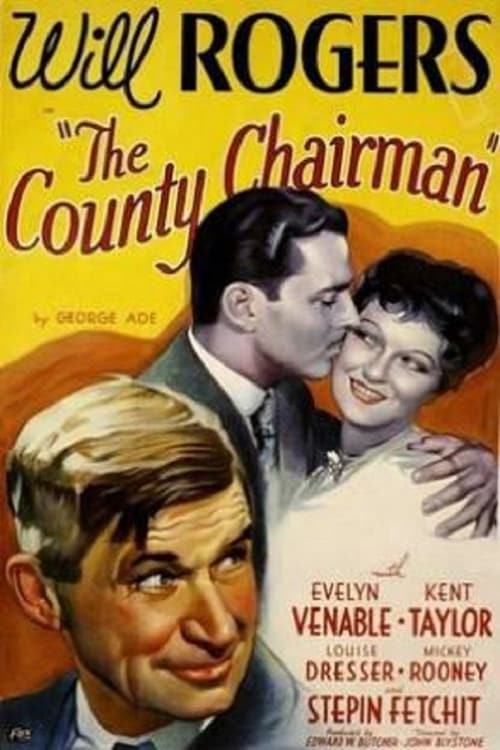
Representation Score
Limited
1935
ApprovedDirector
John G. Blystone
Runtime
80 minutes
Average Rating
No ratings yetNew Showbiz Analysis
The film serves as a period-specific character study that offers a moderate engagement with progressive themes through the lens of women's suffrage. By incorporating the historical struggle for the vote, the narrative acknowledges the disruptive power of women's suffrage in the political process. However, the film remains largely anchored in the traditional social frameworks of the 1930s. The central ability to act is still held by a male protagonist, and the story prioritizes individual ethical choices over a broader deconstruction of systemic power or institutional corruption. Ultimately, the production reflects the era's standard industry practices, focusing on genre-driven entertainment rather than intentional diverse representation.
Category Breakdown
The film lacks any evidence of LGBTQ+ characters or stories that go beyond the assumption that everyone is straight or cisgender. It adheres to the strict social and cinematic codes of 1935.
The plot engages with shifting social hierarchies by centering on women's suffrage. While women play a significant role in driving the story, the central moral dilemma remains focused on the male protagonist.
The film reflects the homogeneous casting norms of its era. There is no indication of a non-white majority cast or intentional racial blending in the production.
The story explores the tension between institutional corruption and individual morality. It focuses on the personal integrity of a political leader rather than a broader critique of Western institutions.
There is no discernible mention of characters with visible or invisible disabilities within the narrative.
Present on Screen
Limited or Absent
Official Synopsis
Based on George Ade's play which, in part, was based on an incident in a 1902 election in Wyoming, with women's-right-to-vote playing a large role. Here, Jim Hackler, local party-boss in a Wyoming county, has to decide to do what's right and lose the election, or what's wrong and win it.
1941
2017
1953
1938
1948
1942
1937

1939
No reviews yet. Be the first to share your thoughts on this movie!
Use the rating form above to leave a star rating and optional review.