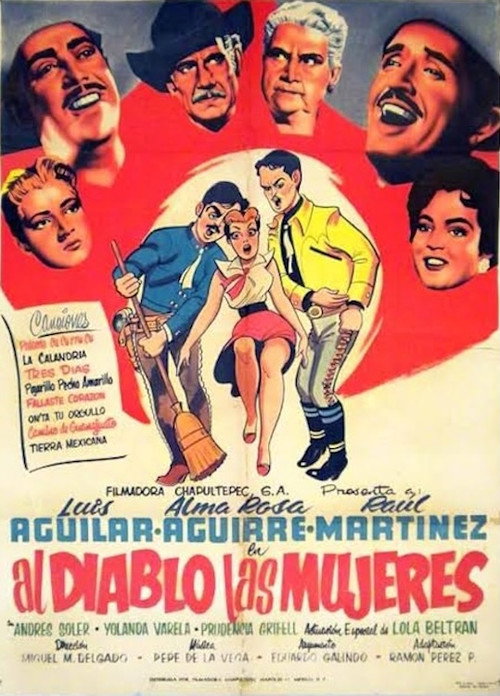
Al diablo las mujeres
1955
No user ratings available yet
Representation score: 3.6 out of 10
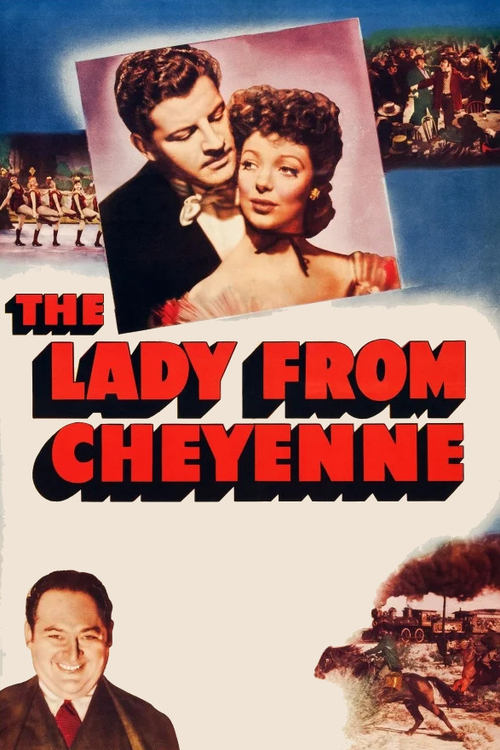
Representation Score
Limited
1941
NRDirector
Frank Lloyd
Runtime
88 minutes
Average Rating
No ratings yetNew Showbiz Analysis
The film presents a female lead with significant intellectual and political ability to act, disrupting traditional gender roles. However, it remains tied to the era's traditional frameworks, lacking multi-layered depth. While it addresses historical struggles for suffrage, it focuses narrowly on a white, straight-centered perspective typical of the 1940s Western genre. Ultimately, the film offers a character-driven drama centered on a narrow demographic, with limited representation of diverse backgrounds.
Category Breakdown
The film lacks any LGBTQ+ characters or non-straight relationships. The romantic tension is strictly between the heterosexual leads.
Annie Morgan is a strong and independent woman who challenges traditional feminine roles. She disrupts frontier hierarchies through her pursuit of property and suffrage, showcasing intellectual liberation.
The cast is predominantly white, depicting a homogeneous frontier society. There is no significant racial diversity or non-Anglo-Saxon characters with ability to act.
The story examines the conflict between Quaker values and women's suffrage. It highlights the tension between individual rights and established patriarchal authority within a traditional Western moral framework.
There are no visible or invisible disabilities depicted among the main characters or supporting cast.
Present on Screen
Limited or Absent
Official Synopsis
Fictionalized story of the 1869 adoption of women's suffrage in Wyoming Territory. In the new-founded railroad town of Laraville, Boss Jim Cork hopes to manipulate the sale of town lots to give him control, but Quaker schoolmarm Annie Morgan bags one of the key lots. Cork's lawyer Steve Lewis tries romancing Annie to get the lot back, finding her so overpoweringly liberated she leaves him dizzy. Still, Steve attains his nefarious object...almost...then has cause to deeply regret having aroused the sleeping giant of feminism!
1955
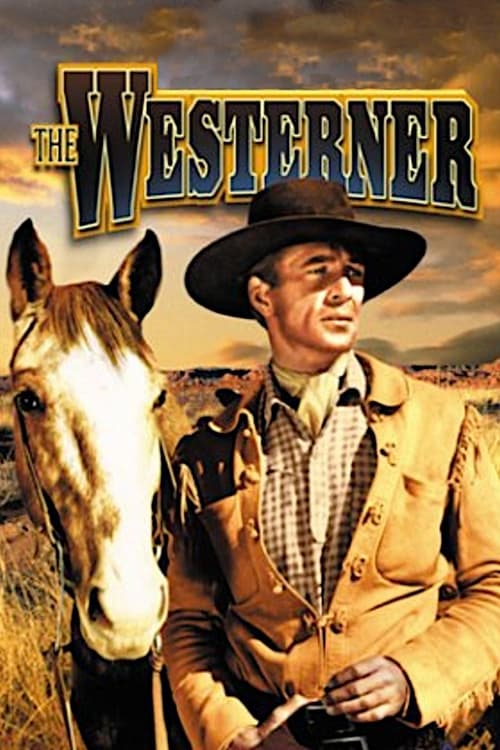
1940
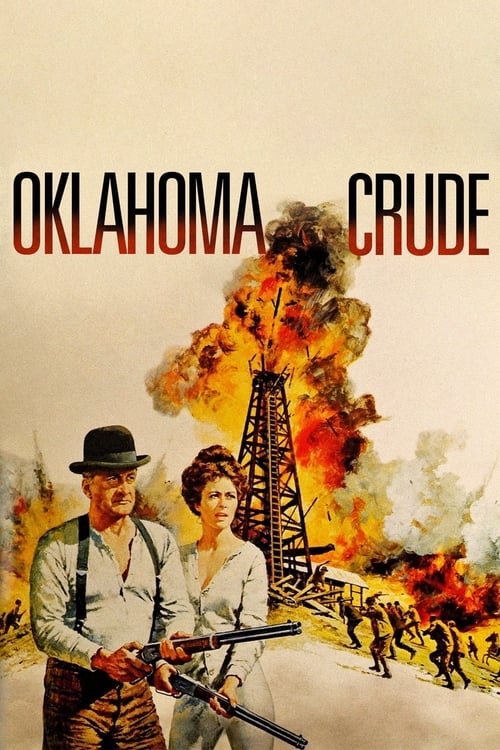
1973
1936
1961
1941
1935
1952
No reviews yet. Be the first to share your thoughts on this movie!
Use the rating form above to leave a star rating and optional review.