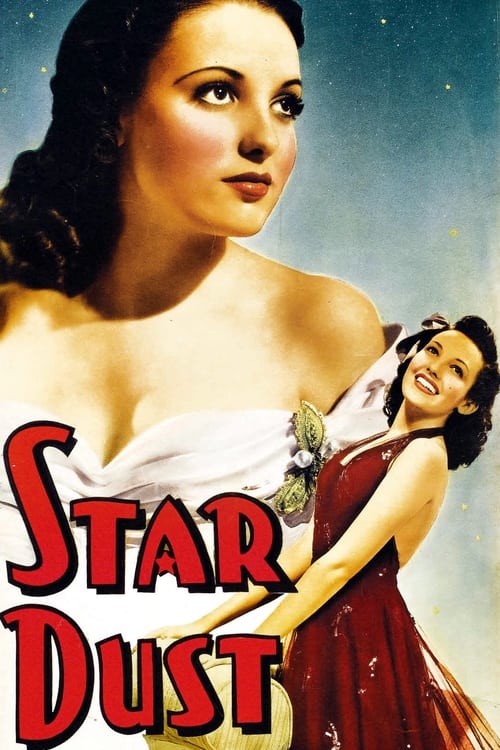
Star Dust
1940
No user ratings available yet
Representation score: 2.0 out of 10
Representation Score
Minimal
1937
NRDirector
George B. Seitz
Runtime
74 minutes
Average Rating
No ratings yetNew Showbiz Analysis
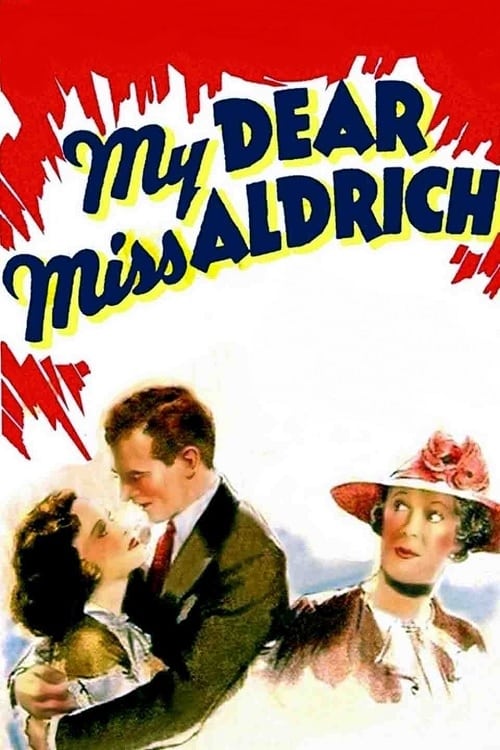
My Dear Miss Aldrich is a product of the 1930s studio system, focusing on conventional social structures rather than systemic subversion. The film's primary strength lies in its central premise of gendered professional struggle, providing a platform for women's ability to drive the story within a male-dominated industry. However, the film lacks multi-layered complexity and demographic breadth, adhering to the era's standard demographic norms. It offers little in the way of racial, cultural, or LGBTQ+ representation. Ultimately, while the protagonist's fight against institutional sexism provides a progressive narrative hook, the film remains anchored in the traditional social frameworks of its time.
Category Breakdown
The film does not include any characters with LGBTQ+ identities or same-sex relationships. It focuses on traditional romantic and professional relationships typical of the 1930s.
The story centers on a woman challenging male-dominated professional hierarchies in the newspaper industry. While it highlights her ability to drive the story, the conflict may resolve through traditional romantic integration.
The production reflects the homogeneous, Anglo-centric demographic norms of 1930s Hollywood. There is no evidence of intentional diverse casting or race-bending.
The film operates within a traditional framework of personal success against social obstacles. It does not engage in a critique of Western institutions like religion or capitalism.
There is no evidence of characters with visible or invisible disabilities included in the narrative.
Present on Screen
Limited or Absent
Official Synopsis
A young woman inherits a newspaper whose editor refuses to hire lady reporters.
1940
1937
1941

1928
1945
1939

1933

1932
No reviews yet. Be the first to share your thoughts on this movie!
Use the rating form above to leave a star rating and optional review.