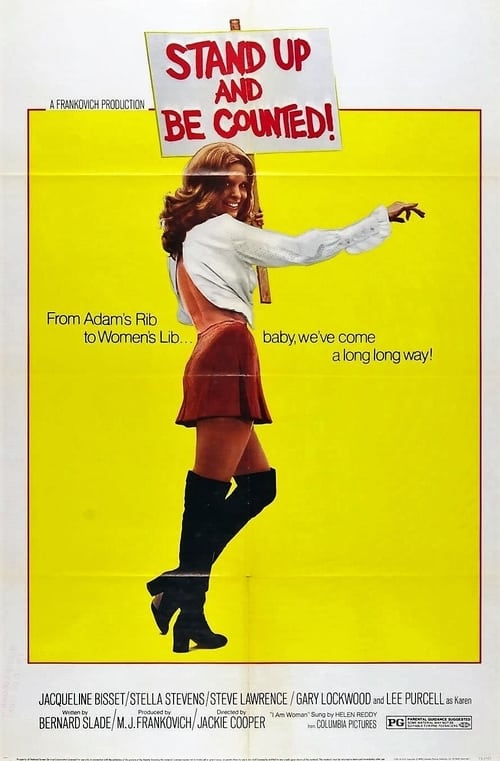
Stand Up and Be Counted
1972
No user ratings available yet
Representation score: 2.1 out of 10
Representation Score
Good
2017
Not RatedDirector
Petra Biondina Volpe
Runtime
96 minutes
Average Rating
No ratings yetNew Showbiz Analysis
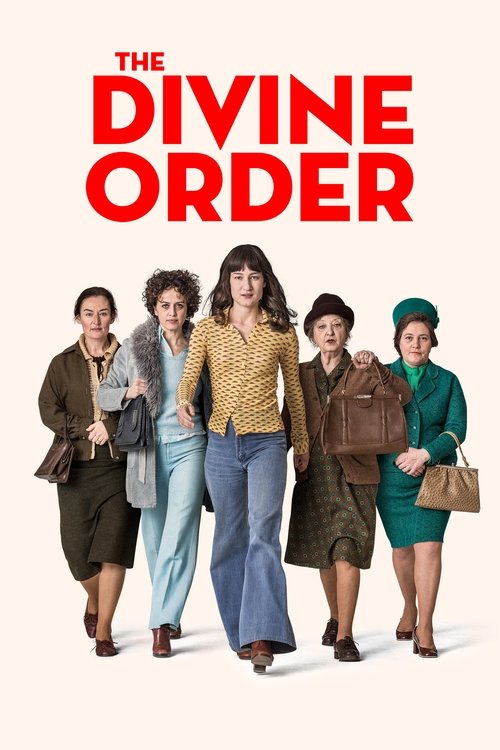
The Divine Order is a focused critique of institutional power, particularly targeting the fight for women's suffrage in 1970s Switzerland. Its strength lies in its effective subversion of traditional gender roles, transforming a domestic figure into a political leader to challenge the male-dominated status quo. However, the film is constrained by its historical setting, which limits the representation of racial and LGBTQ+ diversity. The narrative remains centered on a homogeneous European context, emphasizing traditional heterosexual relationships rather than broader identity spectrums. Ultimately, the film's value is in its thematic exploration of Western social structures. It effectively highlights the tension between individual ability to act and the rigid authority of religious and governmental institutions.
Category Breakdown
The film centers on the struggle for women's suffrage and legal rights, but it does not significantly depict non-binary gender identities or same-sex relationships. Instead, it emphasizes traditional heterosexual relationships.
The film offers a strong critique of traditional gender roles. It challenges the stereotype of the quiet housewife by showing women as key figures in political and social change.
The setting reflects the historical homogeneity of a 1950s Swiss village. The cast primarily features actors with a traditional European background, reflecting the period's social constraints.
The film critiques religious dogma and patriarchal governance. It highlights the importance of secular progress and individual conscience over the oppressive norms enforced by the church.
There is no prominent depiction of visible or invisible disabilities. The narrative focuses solely on the socio-political ability to act of the female protagonists.
Present on Screen
Limited or Absent
Official Synopsis
Nora is a young housewife and mother, living in a quaint little village with her husband and their two sons. The Swiss countryside is untouched by the major social upheavals the movement of 1968 has brought about. Nora’s life is not affected either; she is a quiet person who is liked by everybody – until she starts to publicly fight for women’s suffrage, which the men are due to vote on in a ballot on February 7, 1971.
1972
1967

2017

2020

2024
2017

2009

1986
No reviews yet. Be the first to share your thoughts on this movie!
Use the rating form above to leave a star rating and optional review.