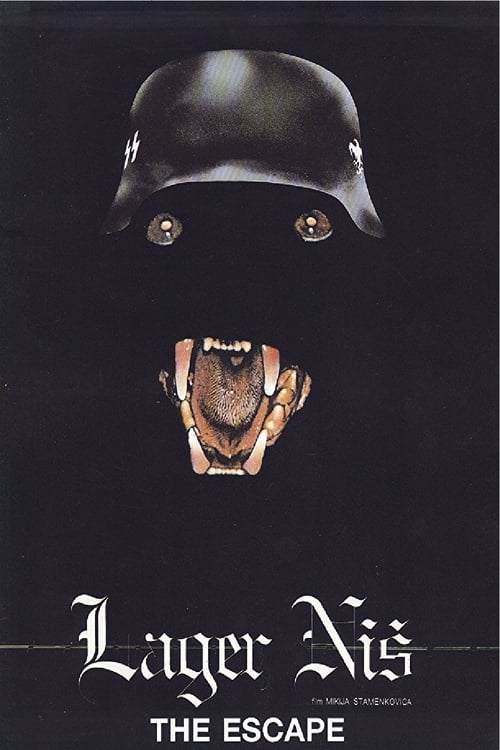
The Escape
1987
No user ratings available yet
Representation score: 6.5 out of 10
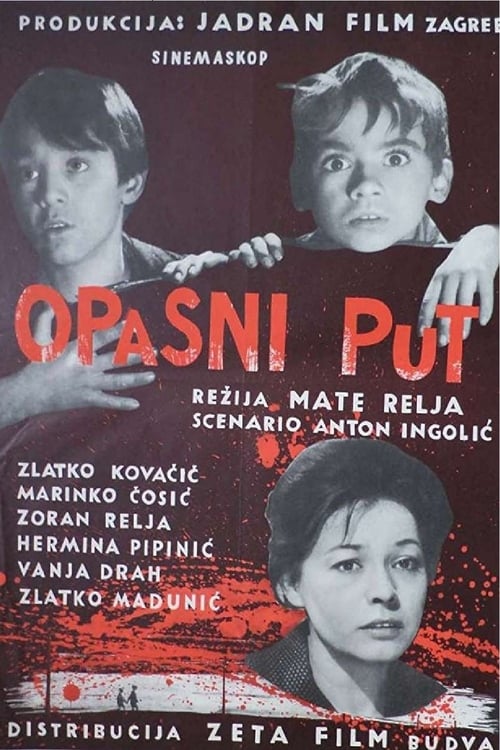
Representation Score
Good
1963
Director
Mate Relja
Runtime
96 minutes
Average Rating
No ratings yetNew Showbiz Analysis
The film is a historical drama that centers on children facing systemic oppression. It avoids individual heroics and explores the trauma of conflict and identity rebuilding. While it lacks modern identity markers like explicit LGBTQ+ or disability representation, it critiques the dehumanizing state apparatus of the era. Its strength lies in its multi-ethnic context and its challenge to fascist hierarchies, though it adheres to traditional gender and social roles of 1960s cinema.
Category Breakdown
The film doesn't include explicit LGBTQ+ characters or stories that go beyond the assumption that everyone is straight. It focuses on children surviving during wartime, where family survival is more important than queer identity.
The story centers on children, often showing girls as victims or symbols of home life. It follows traditional gender roles common in the era's escape stories.
Set in former Yugoslavia, the film challenges Nazi racial hierarchies. It shows diverse ethnic groups as key players in a shared struggle against an outside oppressor.
The film offers a critical look at wartime institutions. By focusing on a concentration camp escape, it portrays military and political structures as oppressive and corrupt.
Trauma from the concentration camp suggests psychological or physical impairments, but no characters are given specific roles based on their disabilities. Trauma drives the story rather than exploring disability.
Present on Screen
Limited or Absent
Official Synopsis
In the last days of WW2 two children from former Yugoslavia manage to escape a Nazi concentration camp. They begin a long and dangerous journey home.
1987

1960
1946
1945
1955

2010
1960
1945
No reviews yet. Be the first to share your thoughts on this movie!
Use the rating form above to leave a star rating and optional review.