
Garden Store - Part 2: Deserter
2017
No user ratings available yet
Representation score: 3.1 out of 10
Representation Score
Fair
1968
Director
Ivo Novák
Runtime
103 minutes
Average Rating
No ratings yetNew Showbiz Analysis
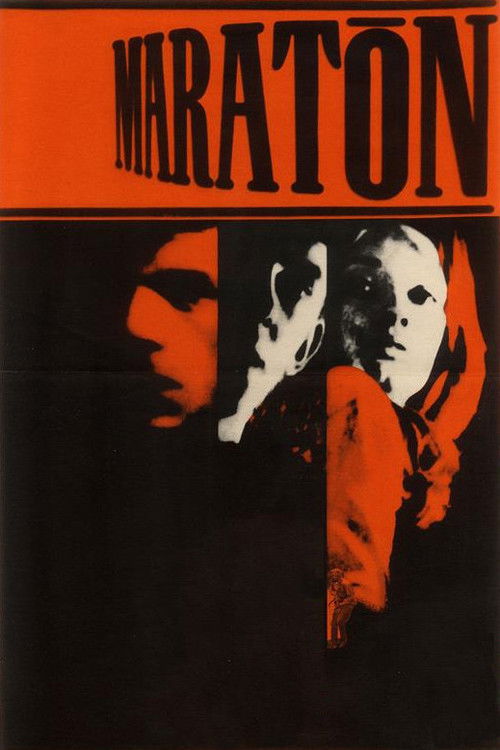
Marathon stands out by overturning traditional war movie clichés, emphasizing women's ability to drive the story in the resistance effort. Instead of highlighting traditional male heroism, the plot depends on women to support the protagonist's survival. The film also serves as a critique of systemic oppression. Despite having a cast that is primarily one ethnicity, the narrative uses the fight against German occupiers to explore themes of institutional oppression and rebellion. However, the film lacks depth in representing diverse identities. It doesn't include LGBTQ+ identities or visible disabilities, leaving these narrative elements unexplored.
Category Breakdown
The film doesn't show any explicit LGBTQ+ identities or relationships outside of traditional heterosexual ones. The story centers around Ruda's survival and his interactions with female characters.
Women play key roles in facilitating resistance instead of being passive victims. Characters like Kytka and Karla take active roles in strategy and tactics, challenging typical male leadership roles in war movies.
The cast is made up of mostly one ethnicity, reflecting the historical context of the Czech resistance. The story uses the German occupation to criticize foreign oppression and power struggles.
The film focuses on critiquing established military and political systems. It highlights rebellion against oppressive institutions through the lens of a local uprising in Prague.
There are no visible or mentioned depictions of physical or cognitive disabilities in the story.
Present on Screen
Limited or Absent
Official Synopsis
It is 5 May 1945 and the uprising against the hated German occupiers has broken out in Prague. The Czech guards open the gate of the Pankrác prison to allow the prisoners to escape en masse. Many of them are shot dead by the German guards but young Ruda (Jaromír Hanzlík) manages to run away. He is taken care of by one of the Prague fighters, concierge Kytka. Kytka hides him in the flat of the house's owner where only the young maid Karla (Jana Brejchová) is left, ordering her to take care of Ruda.
2017

1975
1958

1945
1970
1960
1960
1969
No reviews yet. Be the first to share your thoughts on this movie!
Use the rating form above to leave a star rating and optional review.